


FBI Drone Warning Sparks Concern Over Potential Iranian Threat to California
Understanding the Memo and Its Origins
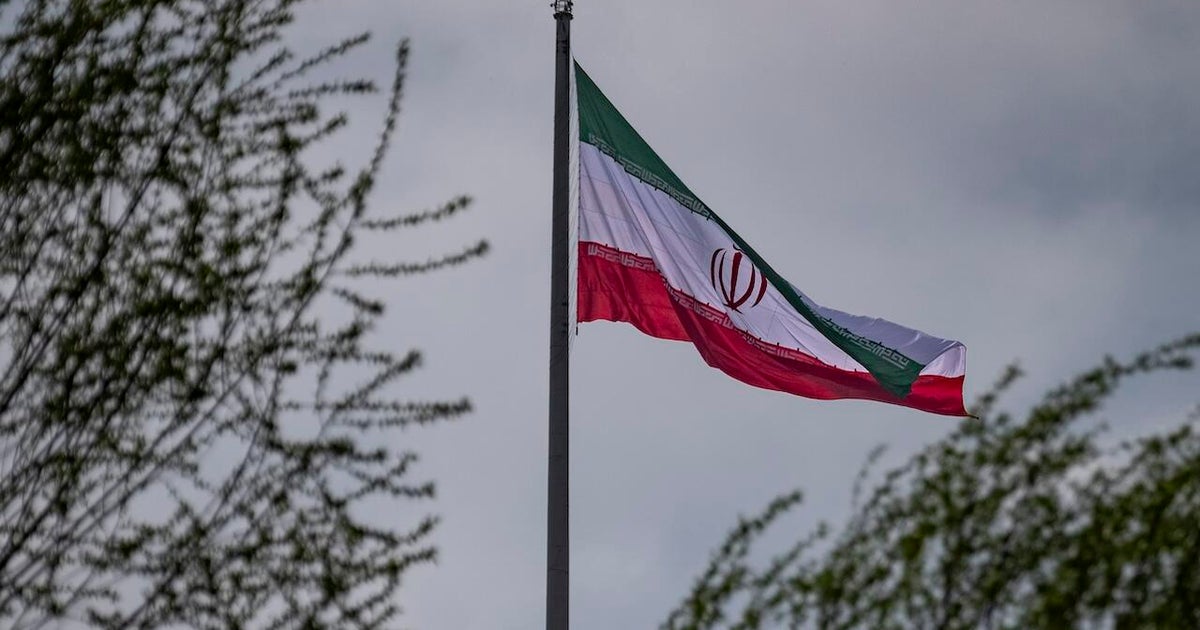
An FBI memorandum distributed to law enforcement agencies across California has generated significant attention after warning about a potential Iranian drone attack targeting the state’s coastline. The memo, which was issued roughly a week before becoming public knowledge on Wednesday, outlined a scenario where Iran might attempt to launch unmanned aerial vehicles from a vessel positioned off the California coast. According to the document obtained by various news organizations, the FBI received what they described as “unverified” information suggesting that Iran had allegedly considered conducting a surprise attack using drones launched from an unidentified ship. The purported target would be somewhere in California, though no specific location was mentioned. The timing of this alleged plan was supposedly contingent on whether the United States conducted military strikes against Iran, positioning it as a potential retaliatory measure rather than an unprovoked attack.
The information that prompted this warning reportedly surfaced before the recent escalation in tensions between the United States and Iran, giving it a somewhat dated quality that law enforcement officials have been quick to emphasize. The memo itself acknowledged significant gaps in the intelligence, explicitly stating that the FBI possessed no additional details regarding potential timing, specific methods of attack, intended targets, or the identities of those who might carry out such an operation. This lack of specificity has been a central point in subsequent reassurances from both federal and state officials who have worked to contextualize the warning for a concerned public. California Governor Gavin Newsom addressed the situation directly on social media, stating that while his administration remains unaware of any imminent threats at the present time, the state continues to maintain preparedness for any emergency situation that might arise.
The Broader Context of U.S.-Iran Relations
The memo’s circulation comes at a particularly sensitive moment in U.S.-Iran relations, having been distributed during the early days of intensified conflict between the United States and Israel on one side and Iran on the other. This timing has understandably heightened concerns among security analysts and the general public alike about whether Iran might seek to retaliate against American interests on U.S. soil rather than limiting its response to the Middle East theater. Homeland security experts have pointed to several potential avenues Iran might pursue if it chose to strike within American borders, including sophisticated cyberattacks against critical infrastructure and the continuation of what some officials describe as a documented history of murder-for-hire plots. These plots have allegedly targeted both Iranian dissidents who have found refuge in the United States and prominent American government officials.
Samantha Vinograd, who previously served as assistant secretary for counterterrorism and threat protection at the Department of Homeland Security and now contributes analysis to CBS News, provided important context about Iran’s drone capabilities. She noted that the Iranian regime possesses a vast and diverse arsenal of unmanned aerial vehicles that it has successfully deployed throughout various conflicts in the Middle East. Recent weeks have witnessed Iran utilizing drones in retaliatory strikes against U.S. military installations across the region, demonstrating both their willingness to employ this technology and their operational proficiency with it. The Iranian military has become particularly known for its Shahed-136 drones, sometimes referred to as “kamikaze” drones due to their design as one-way attack vehicles that explode upon reaching their target. Vinograd also reminded observers that the U.S. government has existing concerns about malicious drone activity much closer to home, particularly from drug cartels operating along the southern border, indicating that drone-based threats represent an ongoing area of security concern beyond just state actors like Iran.
Official Responses: Caution Against Overreaction
Multiple federal and state law enforcement officials have moved quickly to temper public alarm about the memo, emphasizing its limitations and the standard nature of such intelligence sharing. A California-based federal law enforcement official speaking to CBS News characterized the warning as “not actionable,” a technical term in law enforcement circles that essentially means there isn’t sufficient specific information to take concrete preventive measures. Another federal official reinforced this assessment by reiterating that the information remains unverified and that no details have emerged regarding timing, source, methodology, or intended target of any hypothetical attack. Perhaps most significantly, this official noted that in the time since the original information was received, no further indications or corroborating intelligence has surfaced to lend additional credibility to the initial report.
A California law enforcement official offered a particularly clear-eyed perspective on what the memo actually represents, explaining that its distribution simply meant that the FBI had received this information and wanted to ensure that law enforcement executives throughout the state were kept informed and up to speed on the full scope of potential threats in the current environment. This official emphasized, “There is absolutely nothing more to it,” a statement aimed squarely at dispelling any notion that the memo represented a dramatic escalation in threat level. Sources familiar with the FBI’s operational procedures confirmed that the bureau regularly shares intelligence with local law enforcement partners as a matter of routine practice, and the information about potential Iranian interest in drone attacks was merely one component among various pieces of intelligence distributed during that particular information-sharing cycle.
Expert Analysis on Standard Intelligence Procedures
Law enforcement and security experts have provided valuable context about how and why such warnings are disseminated, helping the public understand that the existence of the memo doesn’t necessarily signal an elevated danger. Vinograd emphasized that there has been no indication from the FBI that they were sharing information about an imminent threat, which represents a crucial distinction in the intelligence community’s language. She explained that it represents standard operating procedure—and indeed, prudent practice—for the FBI to share information with its partner agencies to ensure everyone maintains awareness of the broader threat landscape. However, she also noted that including context about both credibility and imminence would be helpful as part of these information-sharing mechanisms, suggesting that the communication could have been clearer about the preliminary and unverified nature of the intelligence.
Jeff Harp, a former FBI special agent, provided additional insight into the bureau’s approach to threat information, noting that there exists a directive within the FBI to over-communicate with various agencies about potential threats rather than risk withholding information that might later prove significant. “If they have any inkling that there is information out there, they’re going to broadcast it,” Harp explained, adding that such warnings don’t need to be 100% accurate before being shared. The purpose, he clarified, is to provide at least some warning to ensure preparation and notice reaches relevant parties who might need to take precautionary measures. This philosophy represents a shift from past eras when intelligence agencies were sometimes criticized for failing to share information that, in hindsight, might have prevented attacks or enabled better responses.
State and Local Preparedness Response
California officials at both state and local levels have responded to the memo’s public emergence with measured statements emphasizing vigilance without alarm. The Los Angeles Police Department issued a statement confirming that “at this time, there are no known or specific threats to Los Angeles,” while also noting that the department “continues to monitor global events and any potential related threats that could impact Los Angeles.” This formulation—acknowledging awareness while denying specific threats—has become standard in how law enforcement communicates about potential security concerns in an era where both excessive alarm and insufficient warning carry risks. Governor Newsom’s office provided additional context by characterizing the memo as “one of numerous security updates the state receives from federal partners daily and disseminates to local law enforcement and emergency responders,” a description that normalizes the warning as part of routine information flow rather than an exceptional alert.
The response from California officials reflects a careful balancing act that has become increasingly important in modern security communications. On one hand, officials must ensure the public and local law enforcement remain genuinely prepared for potential threats without becoming complacent. On the other hand, they must avoid creating panic over unverified and non-specific intelligence that may never materialize into an actual threat. The fact that neither the FBI nor the White House provided official comments to CBS News about the memo may itself be telling, suggesting that these federal agencies view the warning as routine intelligence sharing rather than a matter requiring public explanation or amplification. This approach stands in contrast to situations where federal agencies have held press conferences or issued public statements about threats they deemed more credible or imminent, further reinforcing the assessment that this particular memo represents precautionary information sharing rather than a warning about a likely attack. As tensions with Iran continue and the broader security landscape remains complex, Californians can expect to see similar warnings circulated among law enforcement agencies as part of the ongoing effort to maintain awareness without unnecessary alarm.