


The Clinton-Epstein Investigation: A Political Standoff Reaches a Turning Point
Last-Minute Agreement Halts Contempt Proceedings
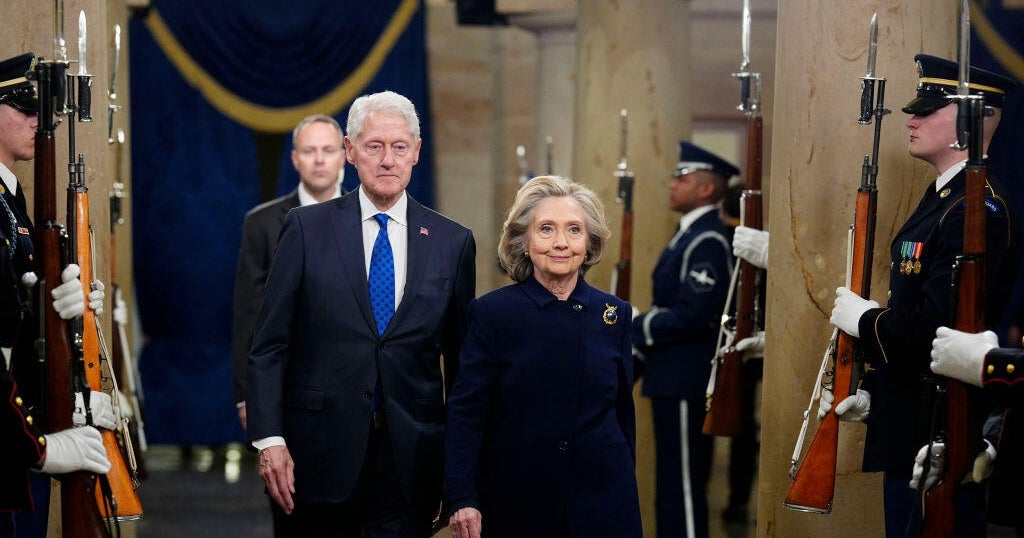
In a dramatic eleventh-hour development, former President Bill Clinton and former Secretary of State Hillary Clinton have agreed to testify before the House Oversight Committee regarding their connections to the late financier Jeffrey Epstein. This decision came just days before the House was scheduled to vote on holding the prominent Democratic couple in contempt of Congress. The agreement, communicated through their legal team on a Monday evening, marks a significant shift in what has become an increasingly contentious political battle between the Clintons and Republican-led congressional investigators.
The timing of the Clintons’ acceptance couldn’t have been more dramatic. Their attorney sent an email to the committee stating that the former president and former secretary of state “accept the terms of your letter and will appear for depositions on mutually agreeable dates.” However, this apparent resolution has created new complications rather than ending the standoff. Republican Representative James Comer of Kentucky, who chairs the House Oversight Committee, responded with skepticism, noting that while the Clintons’ counsel claimed they agreed to terms, “those terms lack clarity yet again and they have provided no dates for their depositions.” Comer suggested that the only reason for their sudden agreement was the imminent threat of contempt proceedings moving forward in the House.
The Background of the Investigation
The House Oversight Committee’s interest in the Clintons stems from its broader investigation into the Justice Department’s handling of cases involving Jeffrey Epstein, the wealthy financier who died in federal custody in 2019 while facing sex trafficking charges. The committee issued subpoenas to the Clintons last August, along with several former Justice Department officials from administrations dating back to George W. Bush. The Clintons initially refused to comply, arguing that the subpoenas were legally invalid. This refusal led the committee to recommend contempt charges in January, setting the stage for potential House votes that would have been politically explosive.
It’s important to note that neither Bill nor Hillary Clinton has been accused of any wrongdoing in connection with the Epstein case. However, Bill Clinton’s past interactions with Epstein have been documented, including flights on Epstein’s private aircraft. The former president has acknowledged these connections, though he has maintained he was unaware of Epstein’s criminal activities. The investigation has become a flashpoint in partisan politics, with Democrats accusing Republicans of conducting a politically motivated witch hunt designed to embarrass Democratic figures and benefit former President Donald Trump, while Republicans maintain they are simply seeking answers about how federal authorities handled the Epstein matter over multiple administrations.
The Negotiation Dance and Conflicting Terms
The path to Monday’s tentative agreement was marked by offers, counteroffers, and mutual dissatisfaction. In a January 31st letter, the Clintons’ lawyers proposed specific conditions for their cooperation. They offered that Bill Clinton would sit for a four-hour transcribed interview, but only if it took place in New York City and was “confined to matters related to the investigations and prosecutions” of Epstein. For Hillary Clinton, the lawyers suggested she could provide another sworn declaration to answer the committee’s questions, or if in-person testimony was absolutely necessary, it should follow the same limited terms as her husband’s proposed appearance. The legal team also requested that the subpoenas and contempt resolutions be withdrawn if these conditions were accepted.
Chairman Comer rejected these initial terms in a letter sent Monday morning, expressing “serious concerns” about the proposal. He argued that the scope of Bill Clinton’s proposed testimony was too narrow and “would result in your client answering few questions.” He also characterized the other demands as “not reasonable” and “insufficient.” This rejection set up what appeared to be an inevitable confrontation on the House floor. Then, in a twist worthy of a legal thriller, the Clintons’ response came during a House Rules Committee meeting Monday evening. Democratic Representative James Walkinshaw of Virginia announced that the Clintons had agreed to appear for depositions and accepted the terms laid out in Comer’s most recent letter. Remarkably, Comer himself was unaware of this development, as the email had been sent while he was testifying before the committee.
Political Theater and Partisan Divisions
The confusion following the Clintons’ acceptance highlighted the political nature of the entire proceeding. After leaving the Rules Committee during a brief recess for floor votes, Comer expressed bewilderment to reporters: “There is no offer. They texted us and said they accept our offer. There is no offer. What do they accept? They said they would accept my offer. They sent an offer, and I rejected their offer.” This seemingly contradictory statement reflected the genuine uncertainty about what exactly had been agreed to and whether the long standoff was truly resolved.
Democrats on the committee seized the opportunity to put pressure on Republicans. Representative Robert Garcia of California, the top Democrat on the House Oversight Committee, argued that the Clintons had now accepted “every single request” from Republicans regarding the terms of their testimony. He urged Comer to respond with specific dates for their appearances and suggested that the committee’s response would reveal whether Chairman Comer actually wanted to hear from the Clintons or whether “this is all a political, partisan witch hunt by Donald Trump.” The Clintons themselves have accused Comer of treating them differently than other officials who were also subpoenaed, claiming this disparate treatment is designed to embarrass them and target Trump’s political opponents.
The Broader Context and Other Witnesses
The Clintons aren’t the only high-profile figures entangled in this investigation. The committee also subpoenaed former Justice Department officials from multiple administrations. However, to date, only Bill Barr, who served as attorney general during Trump’s first term, has provided closed-door testimony. The committee accepted written statements from other former officials, a courtesy not extended to the Clintons. Comer justified this different treatment by noting that the other officials weren’t photographed with Epstein or his associate Ghislaine Maxwell, “nor is there any evidence that they were directly involved in the investigation.”
The Justice Department recently released a massive collection of Epstein-related documents that mention numerous notable figures, including both Bill Clinton and Donald Trump. Like the Clintons, Trump has not been accused of any wrongdoing related to the Epstein case. This fact has added another layer of complexity to the political dynamics, as both parties attempt to navigate an issue that potentially touches figures on both sides of the political divide. The release of these documents has intensified public interest in the case and increased pressure on congressional investigators to demonstrate they’re pursuing facts rather than partisan advantage.
What Comes Next
Following the evening’s dramatic developments, Republican Representative Virginia Foxx of North Carolina, chairwoman of the House Rules Committee, announced that the panel would postpone further consideration of the contempt resolutions until there’s clarity about “what they are actually agreeing to.” However, she added a warning: “Should there not be substantial compliance and agreement overnight, the committee will return to continue the hearing on the contempt.” This statement set a tight deadline for resolving the remaining ambiguities about the terms of the Clintons’ testimony and when exactly they would appear.
The situation remains fluid and uncertain. While the Clintons’ agreement to testify represents a significant development, the lack of specific dates and the continuing disagreement over exact terms means the threat of contempt votes hasn’t entirely disappeared. Both sides now face a test of their stated intentions. Republicans will need to demonstrate whether they’re genuinely interested in the Clintons’ testimony or whether the threat of contempt was primarily a political tool. Democrats and the Clintons will need to follow through on their acceptance and actually appear for substantive testimony. The coming days will reveal whether this late-night agreement marks the beginning of cooperation or simply another chapter in an ongoing political battle that has consumed considerable congressional time and energy while the public watches to see if any meaningful information about the Epstein case and its handling by federal authorities will emerge from this highly charged partisan confrontation.