


Harry Dunn’s Congressional Comeback: A Capitol Hero Returns to the Political Arena
From Capitol Defender to Congressional Candidate
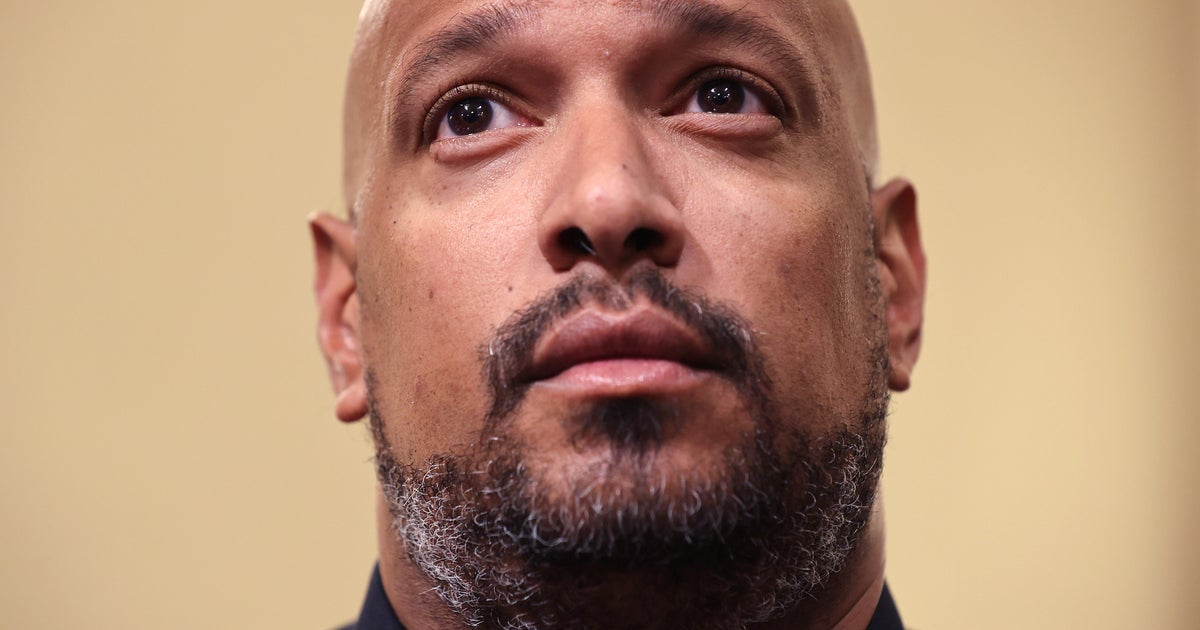
Harry Dunn’s journey from Capitol Police officer to congressional hopeful represents one of the most compelling political transformations in recent American history. The former U.S. Capitol Police officer, who became a household name following his courageous actions and emotional testimony about the January 6, 2021, insurrection, has announced his second campaign for Congress, this time seeking to represent Maryland’s 5th District. Dunn’s evolution from law enforcement officer to political activist and now candidate reflects a broader story about how the events of January 6th continue to reshape American politics and inspire individuals to step into public service in new ways. His decision to run comes at a critical moment when the nation grapples with competing narratives about what happened that fateful day, and when the very people who defended democracy are watching as some attempt to rewrite that history.
A Second Chance in Familiar Territory
This congressional run marks Dunn’s second attempt at securing a seat in the House of Representatives, following an unsuccessful bid in 2024 for Maryland’s 3rd District, where he sought but failed to win the Democratic nomination. This time around, he’s shifted his focus to the neighboring 5th District, a move that brings him back to his roots in a very real sense. The 5th District encompasses the eastern and southern suburbs of Washington, D.C., including Prince George’s County, where Dunn was born and raised. This is the community that shaped him, where he attended school and made a name for himself as a standout athlete before dedicating his career to protecting the nation’s Capitol. When Dunn speaks about the district, there’s a personal connection in his voice: “It’s home and it made me who I am,” he says, underscoring that this isn’t just a political calculation but a return to the community that formed his values and character. The 5th District represents more than just a political opportunity for Dunn—it’s a chance to serve the people and place that have always been central to his identity.
Fighting for a District in Fear
Dunn’s campaign message centers on the urgent needs he sees in his community, particularly in the wake of recent federal policy changes that have directly impacted his would-be constituents. “We need people here in Congress who are prepared to stand up and fight,” Dunn told CBS News, reflecting the combative spirit that defined his response to the January 6th attack and that now fuels his political ambitions. As he’s traveled throughout Maryland attending events and meeting with voters, Dunn says he’s heard a consistent theme: people are genuinely frightened about the direction of the country and the policies emanating from Washington. The Trump administration’s sweeping mass layoffs of federal workers have hit the 5th District particularly hard, given that a substantial portion of the district’s residents work for the federal government and several federal offices are located within its boundaries. For many families in this area, these aren’t abstract policy discussions—they’re deeply personal matters affecting their livelihoods, their ability to provide for their families, and their sense of economic security. Dunn sees his role as someone who will stand up for these constituents, drawing on the same courage he demonstrated when he stood against a violent mob to protect democracy itself.
Confronting Historical Revisionism
One of the driving forces behind Dunn’s continued involvement in politics is his determination to preserve the truth about what happened on January 6th, particularly as powerful forces work to reshape the narrative of that day. “I have to respond to the rewriting of what happened that day,” Dunn insists, “We refuse to let them happen.” This mission has taken on even greater urgency following President Trump’s decision to pardon more than 1,500 defendants involved in the Capitol riot, including individuals who physically beat and injured police officers like Dunn and his colleagues. Trump has actively worked to reframe the events of January 6th, characterizing the prosecution and conviction of rioters as a “grave national injustice” rather than as accountability for a violent attack on American democracy. The situation became even more troubling when the White House posted content on its official government website containing demonstrably false claims about the attack, including assertions that the 2020 election was “stolen” and suggesting that Capitol Police themselves bore responsibility for the violence that day. For Dunn, who lived through the terror of that assault and has dedicated the years since to ensuring the American people understand what really happened, this revisionism isn’t just politically offensive—it’s a personal insult to everyone who defended the Capitol and a dangerous threat to democratic norms.
Navigating a Crowded Democratic Field
Dunn enters a competitive race to succeed Representative Steny Hoyer, a Democratic institution who has represented the district since the early 1980s and previously held the powerful position of House Majority Leader. Hoyer’s decision to retire creates an open seat in what is considered a safely Democratic district—he cruised to reelection in 2024 with more than 67 percent of the vote—but his departure also highlights ongoing tensions within the Democratic Party about generational change and the need for new leadership. The race has already attracted a crowded field of Democratic candidates, each bringing different perspectives and arguing they represent the future the district needs. Among those vying for the seat are Quincy Bareebe, who challenged Hoyer in a longshot primary campaign in 2024, and Harry Jarin, a volunteer firefighter who launched his campaign last May with pointed criticism of the outgoing congressman, declaring that “Steny represents a bygone era of politics that isn’t working for us anymore.” Dunn faces an additional challenge in that Hoyer has already made his preference known, endorsing Adrian Boafo, a Maryland state delegate who previously worked as Hoyer’s campaign manager. In supporting Boafo, Hoyer praised his protégé’s track record: “Adrian has proven his ability to deliver results,” the longtime congressman said in a social media post, lending significant institutional support to one of Dunn’s rivals.
The Broader Significance of Dunn’s Campaign
Harry Dunn’s congressional campaign represents something larger than one man’s political ambitions or even one district’s choice of representative. His candidacy embodies the ongoing struggle over how America will remember and respond to the January 6th attack, and whether those who defended democracy that day will have a voice in shaping the nation’s future. Dunn has already proven his value to the Democratic Party, with other candidates and organizations tapping him to appear at fundraisers and political events, where his presence and story help energize supporters and draw attention to critical issues. His fierce criticism of President Trump, particularly regarding the ongoing denial and distortion of the Capitol riot’s reality, has made him a powerful voice for accountability and truth in an era when both seem increasingly fragile. Whether Dunn ultimately wins this race or not, his willingness to transition from protecting Congress physically to seeking to serve within it demonstrates the kind of civic commitment that democracy requires. His campaign will test whether voters value the perspective of someone who literally put his body on the line to defend democratic institutions, and whether that experience translates into effective representation for a district facing very real economic and political challenges. In many ways, the outcome of this race will signal how Americans want to move forward from the trauma of January 6th—with those who defended democracy elevated to positions of leadership, or moving in a different direction entirely.