

Historic Political Upset in Texas: Democrat Taylor Rehmet Wins in Republican Stronghold
A Stunning Victory That Shocked the Political Establishment
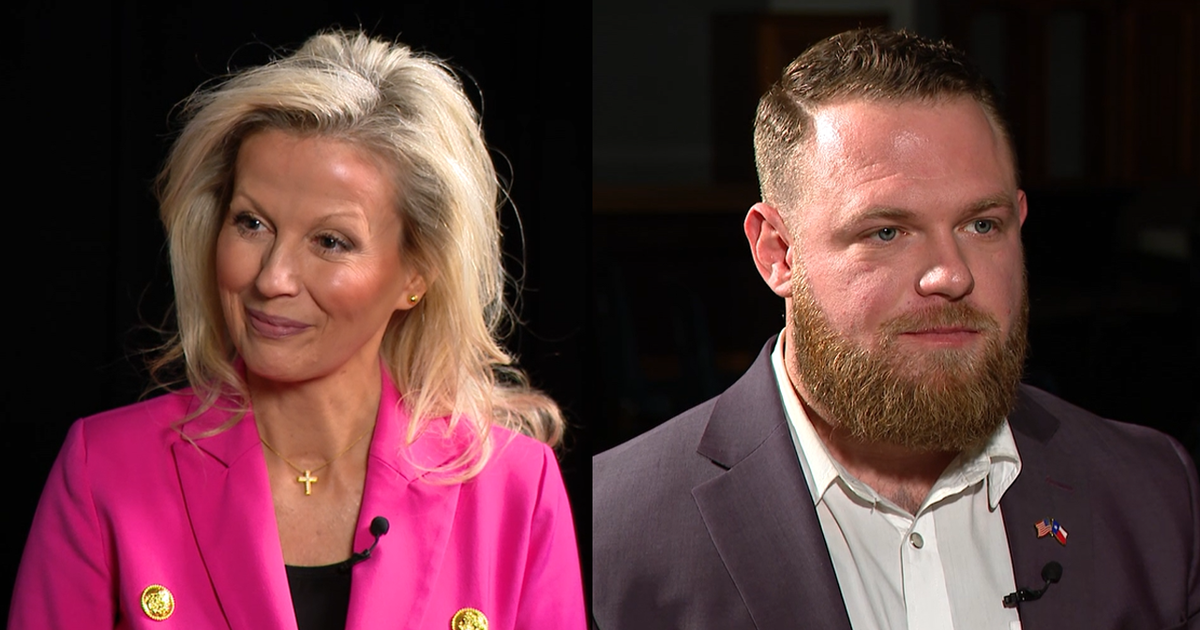
In what can only be described as a seismic shift in Texas politics, Democrat Taylor Rehmet pulled off a stunning victory against Republican Leigh Wambsganss in the special runoff election for Texas Senate District 9 in Tarrant County. This isn’t just any county—Tarrant County holds the distinction of being the largest Republican county in the entire nation, making Rehmet’s win all the more remarkable. When all the votes were counted, though still unofficial, Rehmet secured 54,267 votes, representing approximately 57% of the total, while Wambsganss, a well-known conservative activist with deep roots in the community, managed to capture 40,598 votes, or about 43%. The margin of victory was significant enough to send shockwaves through both state and national political circles, signaling that something fundamental might be shifting in the Texas political landscape.
The seat became available after Senator Kelly Hancock stepped down from his position to take on the role of acting Texas comptroller, creating an unexpected opportunity in a district that typically leans Republican. The special election initially held in November had been a three-way race, with Rehmet earning 46% of the vote against two Republican candidates—Wambsganss and John Huffman, who finished third and didn’t make it to the runoff. That strong initial showing by Rehmet should have been a warning sign to Republicans that this race wouldn’t be the easy win they might have expected in their traditional stronghold.
A Campaign Built on Unity, Not Division
Speaking to supporters at his watch party in Fort Worth late Saturday night, an energized but humble Rehmet addressed the significance of his victory in terms that transcended traditional partisan politics. The union president emphasized that his campaign wasn’t about the typical red versus blue divide that has come to dominate American political discourse. Instead, he framed the election as a moral choice—right versus wrong—and focused on the issues that matter most to everyday Texans. “This is about public school funding. This is about helping working folks. This is about lowering costs. This is about everyday folks,” Rehmet told the crowd and reporters who had gathered to witness this historic moment.
Rehmet was careful to credit the community for the victory, acknowledging that the results were a testament to the hard work that people across the district had put in together. He deliberately positioned his campaign as one that reached across partisan lines, focusing instead on unity and bringing people together around common concerns. “We can talk about partisanship all we want,” he said. “I was focused on unity, bringing people together. We’re all Texans. We all want to look out for each other.” This message of inclusive populism, centered on practical concerns like education funding, supporting working families, and addressing the cost of living, clearly resonated with voters who might have felt left behind by traditional political messaging from both parties.
The Republican Response: A Wake-Up Call
Leigh Wambsganss, gracious in defeat but clearly disappointed, issued a statement Saturday night that acknowledged the difficult reality her party now faces. She didn’t mince words about what the results meant: “Tonight is a wakeup call for Republicans in Tarrant County, Texas, and the nation.” Her analysis pointed to two critical factors—Democrats were energized and motivated to vote, while too many Republicans stayed home and didn’t show up to the polls. This enthusiasm gap is something that should deeply concern Republican strategists, not just in Texas but across the country, as they look ahead to the November general elections.
Wambsganss did confirm that she had called Rehmet to congratulate him on his victory, showing the kind of respect for democratic processes that voters appreciate. However, she was quick to note that this wasn’t the end of the story. Both candidates are expected to face each other again in November in the race for a full four-year term beginning in January 2027, when the next legislative session convenes in Texas. “Mr. Rehmet and I will face each other again in November, and I fully expect the results to be different,” she said, signaling that Republicans will be working hard to ensure better turnout and a different outcome when more voters are typically engaged in a general election cycle.
National Implications and Party Responses
The Democratic National Committee wasted no time in celebrating the victory and using it as a springboard to energize their base nationwide. DNC Chair Ken Martin released a statement that connected Rehmet’s win to broader national concerns about the Republican agenda. “It’s clear as day that this disastrous Republican agenda is hurting working families in Texas and across the country, which is why voters in red, blue, and purple districts are putting their faith in candidates like Taylor Rehmet,” Martin said. He framed the victory as a warning sign to Republicans everywhere that their seats are no longer safe, even in traditionally conservative strongholds.
The DNC had actively supported Rehmet’s campaign through the Texas Democratic coordinated campaign, focusing on recruiting volunteers and expanding their voter outreach efforts. Just days before the election, DNC Deputy Communications Director Abhi Rahman emphasized that Democrats were building infrastructure in Texas and that this special election was a crucial test for keeping Fort Worth moving forward. This investment in Texas signals a broader Democratic strategy to compete in Sun Belt states that have traditionally leaned Republican but are experiencing demographic and political shifts.
On the Republican side, the response showed both concern and determination. President Donald Trump himself weighed in on Truth Social, urging Republicans to vote for Wambsganss. State and county GOP leaders echoed this message throughout the campaign. Governor Greg Abbott, when asked by CBS News Texas whether he was worried about Republican turnout, projected confidence: “I’m not concerned, and it does come down to what you say, and that is it’s a matter of getting our voters energized. That’s exactly what we’ve been working to do. This is a voter turnout operation. We know there are more Republican voters there than Democratic voters there, and we’re going to turn out all our voters, and Leigh is going to win.” Abbott’s optimism, however, proved misplaced, highlighting that knowing you have more potential voters and actually getting them to the polls are two very different things.
High Voter Engagement Despite Challenges
The election itself saw impressive voter engagement, particularly given the timing and circumstances. Several polling locations reported long lines on election day, with waits reaching about 45 minutes according to the Tarrant County elections website. Locations in Keller, Southlake, and North Richland Hills were among the busiest, demonstrating that voters across different parts of the district were motivated to participate. The willingness of voters to wait in these lines, particularly for a special election runoff that typically sees lower turnout than general elections, speaks to the importance people placed on this race.
One voter in North Richland Hills, who chose not to be identified, captured the sentiment many felt: “About 20 minutes, 20–30 minutes. It’d be better if it were two minutes, but it’s still your duty. I would have waited an hour, that’s how important this is. I would have waited two hours.” This dedication extended to early voting as well, where more than 45,600 voters cast their ballots despite braving cold temperatures and wintry weather conditions that would normally suppress turnout. The data from November’s special election showed an interesting pattern—while Wambsganss and Huffman combined had outperformed Rehmet in early voting and overall votes, when it came specifically to Election Day turnout, Rehmet had actually won more votes than both Republicans combined. This suggested a passionate base of support that proved decisive in the runoff.
Looking Ahead: What This Means for Texas and Beyond
The winner of this runoff will serve the remainder of Hancock’s term, which expires at the end of December 2025. Since the Texas Legislature is not in session this year, Rehmet won’t immediately be thrust into legislative battles, giving him time to establish his presence and prepare for the inevitable rematch with Wambsganss in November. That general election will determine who serves a full four-year term beginning in January 2027, when the next legislative session convenes and real policy work begins.
This special election result represents more than just one seat changing hands—it’s a potential indicator of broader political shifts happening in Texas and across the Sun Belt. For years, Democrats have invested resources and energy into turning Texas blue, with mixed results. Urban and suburban areas, particularly around major cities like Fort Worth, Dallas, Houston, and Austin, have been trending more Democratic, while rural areas have become even more Republican. Tarrant County, with its mix of urban Fort Worth and more conservative suburbs, represents a microcosm of these larger trends. Rehmet’s ability to win here, even in a lower-turnout special election, suggests that the suburban shifts Democrats have been hoping for might finally be materializing in meaningful ways. Whether this translates to success in higher-turnout general elections remains to be seen, but Republicans who dismiss this result as an anomaly do so at their own peril. The enthusiasm gap, the focus on bread-and-butter issues affecting working families, and the appeal of a unifying rather than divisive message all proved powerful in this race—lessons both parties will surely study as they prepare for the critical elections ahead.