

Federal Judge Questions Pentagon’s Attempt to Punish Senator Kelly Over Military Speech
A Battle Over Free Speech and Military Authority
A federal courtroom became the stage for a significant constitutional debate this week as U.S. District Judge Richard Leon heard arguments in a case that could have far-reaching implications for veterans’ rights to free speech. The case involves Democratic Senator Mark Kelly of Arizona, a retired Navy captain and former astronaut, who is fighting back against what he describes as political retaliation from the Trump administration. At the heart of the matter is a simple but profound question: Can the Pentagon punish retired military officers for speaking out on matters of national importance, or does retirement restore their full First Amendment rights as civilians? Judge Leon appeared unconvinced by the government’s position, repeatedly challenging the Justice Department’s attorney to provide legal precedent for extending military speech restrictions to retirees—something that has never been done before in American legal history.
The Origin of the Controversy
The conflict began when Senator Kelly appeared in a video alongside five other Democratic lawmakers in November, urging members of the military to refuse illegal orders. This wasn’t a casual statement or political posturing—it came at a crucial time when the Trump administration was facing serious questions about controversial military strikes against drug vessels. Legal experts and members of Congress from both parties had raised concerns that these strikes might constitute unlawful extrajudicial killings, actions that would violate both domestic and international law. Kelly and his colleagues believed it was their duty to remind service members of their obligation to disobey unlawful commands, a principle that has been a cornerstone of military ethics since the Nuremberg trials following World War II. For Kelly, a man who devoted decades of his life to military and public service, this wasn’t about partisan politics—it was about upholding the Constitution and the rule of law.
The Pentagon’s Response and Kelly’s Lawsuit
The response from Defense Secretary Pete Hegseth was swift and severe. In early January, Kelly received a formal censure letter accusing him of undermining the chain of command, encouraging disobedience among military ranks, and engaging in conduct unbecoming of an officer. The Navy then escalated matters by notifying Kelly that his retirement pay grade would be re-evaluated, a move that could result in a significant reduction in his pension and a humiliating demotion in his retired rank. This prompted Kelly to file a lawsuit against Hegseth in mid-January, arguing that he was being targeted with “extreme rhetoric and punitive retribution” purely because he exercised his constitutional right to speak on matters of public concern. Kelly’s legal team, which includes heavy hitters like the former U.S. Attorney for the District of New Jersey and other prominent former Justice Department officials, contends that the Pentagon’s actions represent an unprecedented and unconstitutional attempt to silence a sitting member of Congress and chill the speech of millions of retired veterans across the country.
The Constitutional Issues at Stake
During the 45-minute hearing on Tuesday, the constitutional implications of the case became crystal clear. Kelly’s attorney, Ben Mizer, argued forcefully that “there is a clear First Amendment violation here,” explaining that the government’s actions don’t just threaten Kelly’s rights but also “run the risk of chilling the speech of every retired veteran in this country.” Think about what that means: millions of Americans who served their country honorably could potentially face punishment for speaking out on political issues if the Pentagon’s position is upheld. Kelly’s legal team is also invoking the Constitution’s Speech and Debate Clause, which protects members of Congress from criminal prosecution or civil lawsuits related to their legislative activities. This protection exists precisely to prevent the executive branch from intimidating or punishing lawmakers for doing their jobs. Judge Leon seemed particularly troubled by the government’s attempt to extend the speech restrictions that apply to active-duty military personnel to retirees who have returned to civilian life. As he pointedly told Justice Department attorney John Bailey, “That’s never been done,” and the government couldn’t cite a single legal precedent to support its position.
The Government’s Defense and the Judge’s Skepticism
The Justice Department attempted to defend the Pentagon’s actions on procedural grounds, arguing that Kelly shouldn’t even be allowed to bring his case to federal court yet because he hasn’t exhausted his options for administrative appeals through military tribunals. They also contended that the actions taken against Kelly aren’t final, suggesting that the court should wait to see what ultimately happens. However, Kelly’s attorneys countered that Secretary Hegseth has already demonstrated clear bias against their client, making any administrative appeal through the military chain of command a futile exercise. As Mizer told the judge, “Secretary Hegseth has demonstrated bias, and he is not a decision-maker who has kept an open mind.” Judge Leon appeared highly skeptical of the government’s arguments throughout the hearing. His most striking moment came when he challenged the Justice Department’s attempt to extend military speech restrictions to retirees, telling them, “You’re asking me to do something that the Supreme Court has never done. That’s a bit of a stretch, is it not?” The judge’s comments suggested he recognizes the dangerous precedent that would be set by allowing the Pentagon to punish veterans for political speech years or even decades after they’ve left active service.
Broader Implications and What Comes Next
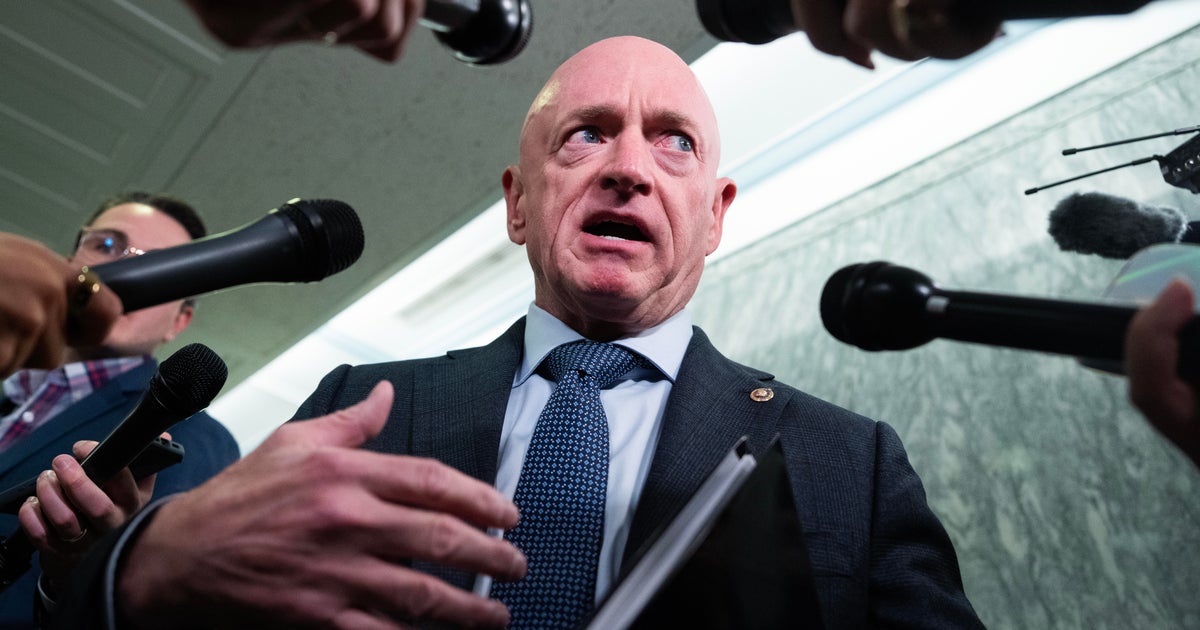
This case extends far beyond one senator’s personal dispute with the Pentagon. The Justice Department has sent inquiries to the five other congressional Democrats who appeared in the video with Kelly, and these lawmakers have publicly accused the Trump administration of trying to silence and intimidate them. The chilling effect could be enormous: if the government succeeds in this case, retired military officers across the country might think twice before speaking out on controversial issues, even when they believe the Constitution or the law is being violated. Kelly, speaking to reporters outside the courthouse, said he appreciates “the judge’s quick and careful consideration in this case given what is at stake here,” and expressed confidence that “the Constitution is on my side.” Judge Leon indicated he hopes to issue a ruling by February 11, which would give both parties time to appeal his decision before any permanent damage is done to Kelly’s pay or rank. Whatever the outcome, this case is likely headed to higher courts, potentially all the way to the Supreme Court, where it could establish important precedents about the rights of the millions of Americans who have served in uniform and returned to civilian life. At its core, this case asks a fundamental question about American democracy: Do we trust our veterans to exercise the same free speech rights as other citizens, or do we allow the government to maintain control over their voices long after they’ve removed their uniforms?