

Federal Investigation Launches Into Border Patrol Shooting Death of Minneapolis Nurse
Justice Department Steps In Amid Growing Controversy
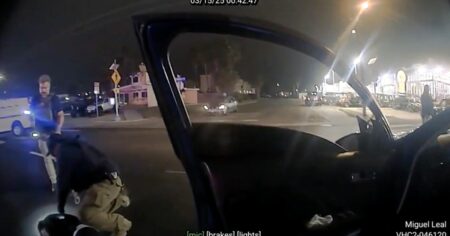
The U.S. Department of Justice has announced its involvement in investigating the tragic death of Alex Pretti, a 37-year-old intensive care unit nurse who was fatally shot by two Border Patrol agents in Minneapolis. The shooting occurred during what has been described as a federal immigration enforcement operation, raising serious questions about the use of force and civil rights protections for American citizens. Deputy Attorney General Todd Blanche addressed the media regarding the investigation, though he notably avoided using the specific term “civil rights investigation” when describing the federal government’s response. Instead, Blanche characterized the FBI’s involvement as a “standard investigation” that follows protocols typically activated “when there are circumstances like what we saw last Saturday.” He indicated that attorneys from the Civil Rights Division would be brought into the investigation “to the extent it needs to involve” them, leaving some ambiguity about the full scope and nature of the federal inquiry. The Deputy Attorney General also declined to commit to releasing body camera footage from the incident, a decision that has frustrated those calling for transparency in what many view as a potential abuse of federal power against an innocent American citizen.
Questions Surround Initial Investigation Handling
The path to FBI involvement in this case has been marked by unusual procedural decisions that raised red flags among law enforcement professionals and legal experts. Initially, the investigation was being led by Immigration and Customs Enforcement’s Homeland Security Investigations (HSI) branch, a choice that current and former law enforcement officials described as highly irregular. HSI is not typically assigned to investigate law enforcement shootings and, according to these officials, lacks both the expertise and specialized equipment necessary to properly handle evidence in such cases. The decision to initially assign HSI to lead the probe sparked concerns about potential conflicts of interest, given that the shooting involved federal immigration enforcement agents operating under the same broader governmental umbrella. The Friday announcement that the FBI would take over the investigation represented a significant shift, presumably in response to mounting pressure from various stakeholders demanding an impartial examination of the facts. This transition suggests that earlier decisions about how to handle the investigation may have been reconsidered as public scrutiny intensified and questions about the appropriateness of the initial investigative structure became impossible to ignore.
Political Leaders Demand Independent Oversight
Minnesota Governor Tim Walz has emerged as a vocal critic of the investigation’s structure, expressing concerns that echo those of many constituents who question whether the federal government can fairly investigate its own agents. In a pointed statement, Walz declared that “Trump’s right hand cannot be responsible for investigating his left hand,” calling instead for “an independent, impartial investigation now.” This comment reflects widespread skepticism about whether any investigation conducted entirely within the executive branch can truly be objective when examining actions taken by federal agents operating under that same administration’s directives. The Governor’s remarks highlight the political dimensions of this tragedy, as it unfolds against the backdrop of intensified immigration enforcement operations that have become a hallmark of current federal policy. The tension between federal enforcement priorities and local concerns about civil rights and appropriate use of force has created a complex situation where jurisdictional questions intersect with fundamental issues of accountability and justice. Walz’s call for independence reflects a broader concern that internal investigations, particularly in politically charged contexts, may not provide the transparency and objectivity that such serious incidents demand.
A Second American Citizen Killed Within Weeks
The death of Alex Pretti represents the second time within the same month that a U.S. citizen was killed by federal immigration agents in Minneapolis, a troubling pattern that has intensified calls for accountability and policy review. Just weeks earlier, on January 7th, Renee Good, described as a mother and poet, was fatally shot by an ICE agent in circumstances that remain under scrutiny. The decision not to open a civil rights investigation into Good’s death prompted significant backlash within the Justice Department itself, leading to resignations among career prosecutors who apparently viewed that decision as unjust or inappropriate. Several attorneys from both the Justice Department’s Civil Rights Division and the U.S. Attorney’s office in Minnesota resigned in protest, a dramatic demonstration of internal dissent that is relatively rare in federal law enforcement agencies. These resignations signal deep concerns among legal professionals about how these cases are being handled and whether the government is fulfilling its obligation to protect civil rights and ensure accountability when federal agents use deadly force. The fact that two American citizens have been killed by federal immigration agents in the same city within such a short timeframe has raised urgent questions about training, rules of engagement, and oversight mechanisms governing these enforcement operations.
Internal Justice Department Tensions Escalate
The tensions within the Justice Department over how these cases are being handled reached a critical point earlier this week when federal prosecutors in Minneapolis directly confronted their superiors about the lack of a civil rights investigation. These prosecutors reportedly pressed the U.S. Attorney for the district to explain why a formal civil rights investigation had not been initiated, warning that additional resignations could follow if appropriate action was not taken. This internal confrontation reveals significant disagreement within the department about how to respond to these shootings and suggests that some career attorneys believe the initial responses have been inadequate or inappropriate. The willingness of prosecutors to risk their careers by resigning or threatening to resign demonstrates the depth of their concerns and their conviction that these cases deserve more rigorous independent scrutiny. This internal dissent also puts additional pressure on department leadership to demonstrate that the investigation into Pretti’s death will be thorough, impartial, and focused on uncovering the truth regardless of political considerations. The situation highlights the challenges faced by career prosecutors and law enforcement officials when they perceive conflicts between their professional obligations and the policies or priorities of political appointees in their chain of command.
Family Seeks Truth and Justice
In the midst of the political and procedural controversies surrounding the investigation, Alex Pretti’s family remains focused on obtaining answers about what happened to their loved one. Through their attorney, the family issued a statement to WCCO emphasizing that “The family’s focus is on a fair and impartial investigation that examines the facts around his murder.” The family’s use of the word “murder” rather than “shooting” or another more neutral term signals their belief that the killing was unjustified and criminal in nature. Their call for a fair and impartial investigation reflects concerns that the various conflicts of interest and unusual procedural decisions surrounding the case may compromise the search for truth and accountability. The family’s statement, while brief, underscores the human tragedy at the center of this controversy—a healthcare professional who dedicated his career to saving lives, now lost to violence at the hands of federal agents. As a 37-year-old ICU nurse, Pretti was on the front lines of caring for the most critically ill patients, a profession that requires both technical expertise and deep compassion. His death has left his family searching for answers while navigating a complex legal and political landscape where jurisdictional questions and policy debates sometimes threaten to overshadow the fundamental question of what happened and whether those responsible will be held accountable. Their attorney’s statement serves as a reminder that beyond the political implications and procedural controversies, this case is ultimately about a life lost and a family’s quest for justice.