


Trump Claims Victory in Lawsuit Against His Own Government, Promises Charity Donations
A Controversial Legal Win
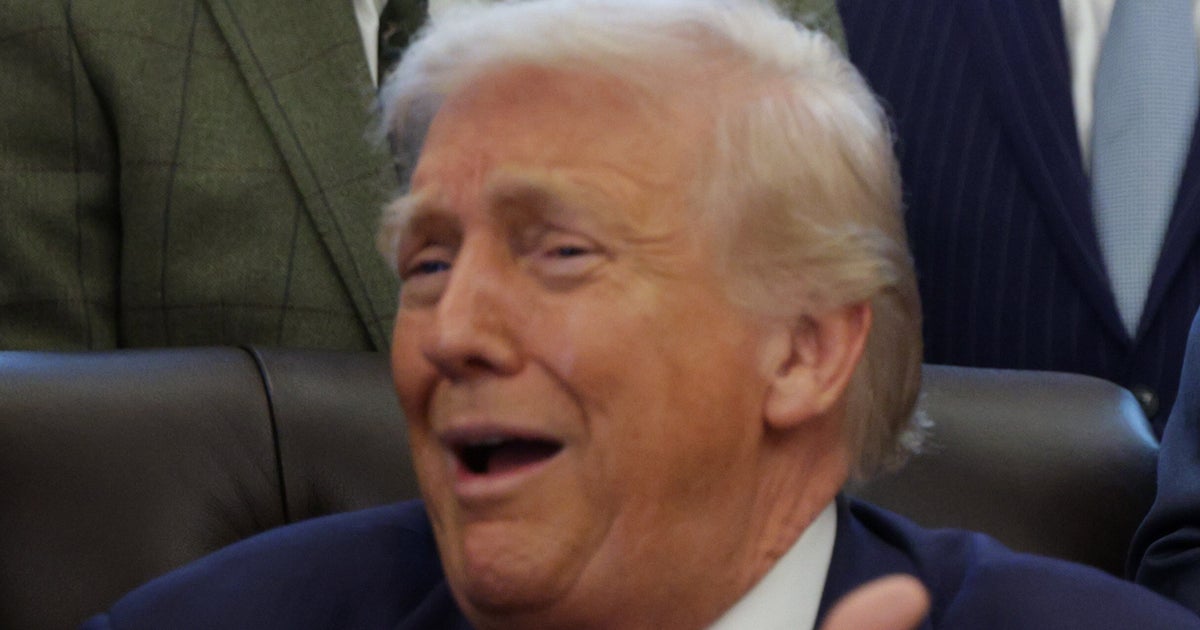
President Donald Trump made headlines this week when he announced that he has essentially won at least one of his lawsuits against the U.S. government, claiming he’s secured a significant financial victory. In an interview with NBC’s Tom Llamas, Trump discussed two major lawsuits he’s currently pursuing against federal agencies – a $10 billion case against the IRS and Treasury Department, and a $230 million lawsuit related to the FBI’s search of his Mar-a-Lago residence. The president insisted that any money he receives from these legal battles will be donated entirely to charity, specifically mentioning organizations like the American Cancer Society. However, this promise has been met with widespread skepticism from critics who point to his troubled history with charitable organizations and question the legitimacy of suing government agencies that he now oversees as president.
The Foundation of the Lawsuits
The heart of Trump’s $10 billion lawsuit stems from a serious breach of privacy that occurred during his first term in office. A former IRS contractor violated federal confidentiality rules by leaking Trump’s tax returns to major news organizations, including The New York Times and ProPublica. These leaked documents revealed information that became a source of considerable public interest and controversy – they showed that Trump, despite being a billionaire with extensive real estate holdings and various business ventures, paid minimal or no federal income tax in multiple years. Trump emphasized in his interview that the unauthorized disclosure of these documents was illegal, stating, “You can’t leak documents. And any money that I win, I’ll give it to charity, 100% to charities, charities that will be approved by government or whatever.” His second lawsuit, seeking $230 million from taxpayers, relates to the 2022 FBI search of his Mar-a-Lago property, where federal agents discovered classified documents, leading to criminal charges that became a central issue in the political landscape.
The Settlement Paradox
What makes these lawsuits particularly unusual is that Trump is essentially suing agencies within the executive branch – the very branch of government he now leads as president. This creates an extraordinary situation where Trump could theoretically negotiate a settlement with himself, as he previously acknowledged. When speaking with Llamas, Trump claimed that “essentially, the lawsuit’s been won” and that he believes he’s won “a lot of money,” though he didn’t specify which lawsuit he was referring to or provide details about any actual court decision or settlement agreement. This lack of clarity has raised questions about the legal process and whether any legitimate judicial oversight is involved in determining these massive payouts. The situation presents an unprecedented conflict of interest, where the president could potentially direct agencies under his control to settle lawsuits he filed against them, effectively transferring taxpayer money to himself through what critics are calling a manufactured legal process.
A Troubled Charitable History
Trump’s promise to donate all proceeds to charity has been met with considerable doubt, primarily because of his well-documented history with nonprofit organizations. The most notable example is the Trump Foundation, which was forced to shut down in 2018 under judicial supervision following serious allegations of self-dealing and misuse of charitable funds. The closure wasn’t voluntary – it came after investigations revealed a pattern of using the foundation’s money for personal benefit rather than charitable purposes. Barbara Underwood, the former New York Attorney General who oversaw the case, described the foundation’s activities as a “shocking pattern” of “repeated and willful self-dealing.” The evidence was damning: Trump had used foundation money for personal expenses, including the purchase of a $10,000 portrait of himself that ended up hanging at one of his golf courses. As a result of these violations, Trump was ordered to pay $2 million to settle a civil lawsuit brought by New York State, with the money directed to legitimate charities. This history has made his current promises of charitable giving ring hollow to many observers who question whether any money would actually reach charitable organizations or simply disappear into Trump’s business empire.
Public Outcry and Skepticism
The reaction on social media and from political critics has been swift and overwhelmingly negative, with many viewing Trump’s lawsuits as an elaborate scheme to funnel taxpayer money to himself. Critics on social media platform X (formerly Twitter) didn’t hold back in their assessments. One user bluntly stated, “Stealing taxpayer money to gift to causes of his choosing,” while another wrote, “Trump is stealing $10 billion from taxpayers. He’s inventing a lawsuit against his own administration for an absurd amount of money, then having them settle with him. If you don’t understand this is a scam, then you’re not paying attention.” Many pointed out the mathematical improbability of Trump actually donating the money, with one critic writing, “0% chance that Trump is giving ANY $$ to charity. It’s a lie like all his other lies. He stole $10 billion US under a bogus lawsuit premise and is keeping it all.” Others referenced Trump’s leaked tax returns, which showed minimal charitable giving despite his claims of philanthropy, and noted that “He’s not a Christian, a do-gooder or a philanthropist.” The consensus among critics is that Trump is exploiting his position of power to enrich himself at the expense of American taxpayers, using the veneer of charitable giving to make the arrangement appear legitimate.
Questions Without Answers
As this situation continues to unfold, numerous critical questions remain unanswered, leaving the public uncertain about what’s actually happening with these lawsuits and the claimed settlement. Has any lawsuit actually been “won” through a legitimate court process, or is Trump simply declaring victory without judicial oversight? Who exactly decided these cases, and was there any independent review of the claims and the extraordinary settlement amounts? Has Trump actually received $10 billion or any other amount, or is this just speculation about future payments? Which specific charities is he planning to donate to, and will there be any independent verification that the donations actually occur? These unanswered questions have fueled suspicions that the entire arrangement is, as one social media user put it, Trump “stealing taxpayer money, smirking through it, and daring anyone to stop him.” The situation represents a fundamental challenge to government accountability and the principle that public officials should not be able to use their positions to enrich themselves. As one observer noted, “Never forget when Donald Trump sued the government for $10 billion and then brokered his own settlement to himself” – a summary that captures the surreal nature of a president potentially awarding himself billions of taxpayer dollars through lawsuits against agencies he controls, all while making promises about charitable giving that his own history suggests are unlikely to be fulfilled.