

Afghan National Pleads Not Guilty in Deadly Attack on National Guard Members
Court Appearance and Initial Plea
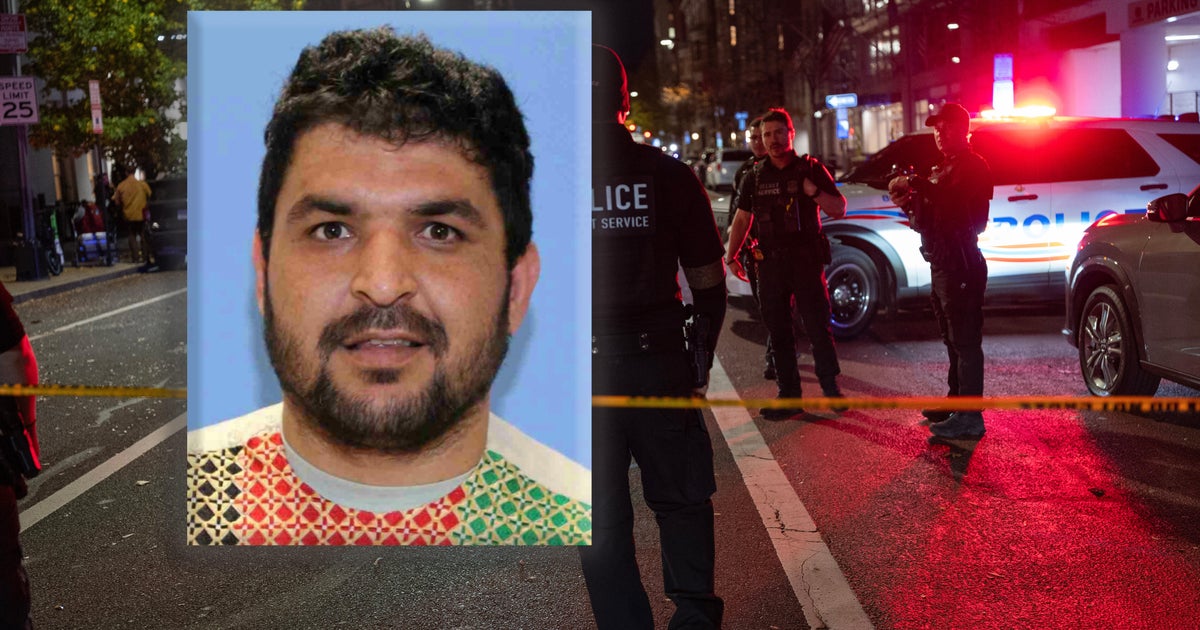
In a Washington, D.C. federal courtroom this Wednesday, 29-year-old Rahmanullah Lakanwal stood before U.S. District Judge Amit Mehta to face serious allegations that would shake anyone to their core. The Afghan national, accused of a horrific shooting that left one National Guard member dead and another critically injured, entered a not-guilty plea to nine federal charges, including first-degree murder while armed. Judge Mehta made it clear that Lakanwal would not be seeing freedom anytime soon, ordering him to remain in detention as he awaits trial. The gravity of the situation hung heavy in the courtroom, as the wheels of justice began turning in what promises to be a closely watched case with far-reaching implications for national security and the safety of service members on American soil.
The Tragic Attack Near the White House
The events that brought everyone to this courtroom unfolded on a late November evening in 2024, just a stone’s throw from one of America’s most iconic landmarks. According to federal prosecutors, Lakanwal allegedly carried out what they describe as an ambush-style attack on November 26, targeting Army Specialist Sarah Beckstrom and Air Force Staff Sergeant Andrew Wolfe. These two young service members were part of the West Virginia National Guard and had been deployed to the nation’s capital as part of President Trump’s initiative to address rising crime concerns in Washington, D.C. They were there to serve and protect, never imagining they would become victims themselves. Twenty-year-old Beckstrom suffered a devastating gunshot wound to the head and tragically succumbed to her injuries the following day, leaving behind grieving family, friends, and fellow service members. Wolfe, just 24 years old, survived the attack but sustained critical injuries that would change his life forever. The attack sent shockwaves through the military community and raised urgent questions about the safety of troops deployed on domestic soil.
The Immediate Aftermath and Suspect’s Capture
The chaos of that November evening didn’t end with just the initial gunfire. In a moment of quick thinking and bravery that likely prevented further tragedy, another National Guard member at the scene returned fire, wounding Lakanwal during the attack. This swift response by a fellow service member brought the violent incident to an abrupt halt. The U.S. Secret Service quickly took Lakanwal into custody, and he was rushed to medical care for treatment of his gunshot wounds. His first appearance before a judge was anything but typical – he participated virtually from his hospital bed, a stark visual reminder of the violent encounter that had just transpired. The image of an accused attacker appearing in court from a hospital, injured by the very people he allegedly tried to harm, underscored the surreal and tragic nature of the entire incident.
Tracing the Weapon and Planning
As investigators pieced together how this attack came to be, disturbing details emerged about the preparation that allegedly went into it. Federal prosecutors have laid out a troubling timeline of acquisition and planning. They revealed that Lakanwal obtained a .357 Smith & Wesson revolver from an unnamed individual, a weapon that had its own dark history – it had been stolen from its rightful owner’s home in Seattle back in 2023. But acquiring the gun was just the beginning. Days before the shooting, Lakanwal reportedly purchased ammunition from a sporting goods store in Bellingham, Washington, gathering the supplies he would need for what was to come. Perhaps most chilling were the digital breadcrumbs he left behind. Court filings indicate that he conducted Google Maps searches for “Washington, D.C.” and “the White House,” suggesting deliberate reconnaissance and planning. This wasn’t a spontaneous act of violence; according to prosecutors, it was calculated and premeditated, with Lakanwal allegedly making the cross-country drive from Washington state to the nation’s capital, arriving several days before carrying out the attack.
The Suspect’s Background and Journey to America
Understanding who Rahmanullah Lakanwal is requires looking back at a complex and tragic chapter in recent American history. Living in Washington state with his wife and their five young sons, Lakanwal’s life in America began in 2021 when he arrived through Operation Allies Welcome, a program established during the Biden administration in the aftermath of the chaotic U.S. withdrawal from Afghanistan. Sources familiar with his case told CBS News that he and his family had fled very real dangers in their home country – specifically, threats from the Taliban in Afghanistan’s Khost province. Before making their way to the United States, the family had relocated to Kabul, desperately seeking safety as their country descended into turmoil. What makes this case even more complex and poignant is the confirmation from a CIA spokesperson that Lakanwal had actually worked alongside the U.S. government, including directly with the CIA, during the war in Afghanistan. He was, at one point, an ally – someone who had risked his own safety to support American efforts overseas. How someone with that background allegedly came to attack the very military he once worked with raises profound and troubling questions about radicalization, mental health, integration challenges, and the long-term effects of war and displacement.
Broader Implications and Questions Ahead
As this case moves forward through the judicial system, it raises uncomfortable questions that extend far beyond one courtroom in Washington, D.C. The tragedy of Sarah Beckstrom’s death and Andrew Wolfe’s life-altering injuries reminds us of the very real dangers that service members face, even when deployed on American streets rather than foreign battlefields. For the families of the victims, no trial outcome can undo their loss or fully heal their wounds, but they surely seek justice and answers. The case also shines a spotlight on the Operation Allies Welcome program and the vetting processes for those who supported U.S. efforts in Afghanistan. It’s a painful reminder that the consequences of America’s longest war continue to ripple through society in unexpected and sometimes devastating ways. As Judge Mehta’s courtroom prepares to host what will likely be a lengthy and emotionally charged trial, the nation watches, mourns, and grapples with how to honor those who serve while ensuring their safety, how to fulfill commitments to allies while maintaining security, and how to find meaning in a tragedy that never should have happened. The not-guilty plea means the full story will eventually unfold in court, where evidence will be examined, witnesses will testify, and a jury will ultimately decide Lakanwal’s fate. Until then, the questions linger, the wounds remain fresh, and two families continue to cope with an incomprehensible loss that changed their lives forever on that November evening near the White House.