



Senators Sound Alarm Over Pentagon Plans to Downsize Havana Syndrome Investigation Team
Bipartisan Opposition to Reorganization Plans
In a rare display of bipartisan unity, two influential senators have issued a stern warning to Defense Secretary Pete Hegseth regarding potential changes to a critical Pentagon unit investigating mysterious health incidents affecting U.S. government personnel. Democratic Senator Jeanne Shaheen of New Hampshire and Republican Senator Susan Collins of Maine jointly penned a letter expressing grave concerns about reported plans to relocate and potentially diminish the cross-functional team (CFT) responsible for coordinating the Department of Defense’s response to what’s commonly known as Havana Syndrome. The team currently operates under the Office of the Under Secretary for Policy, but internal discussions suggest moving it to the Office of the Under Secretary for Research and Engineering. While Pentagon officials have characterized this as merely a bureaucratic reorganization, the senators aren’t buying it. They warn that such a move could effectively sideline the team, weakening its ability to investigate the root causes of these mysterious ailments and provide crucial care to victims. “We owe it to these personnel to continue to receive care while ongoing research is done on attribution and technology, which can only be done by the CFT in its current form,” the senators emphasized in their letter sent Monday. The Pentagon has remained silent on the matter, declining to comment on whether any relocation plans are actually in the works, though the Washington Examiner first broke the story about the potential transfer.
Understanding Havana Syndrome: A Mysterious Affliction
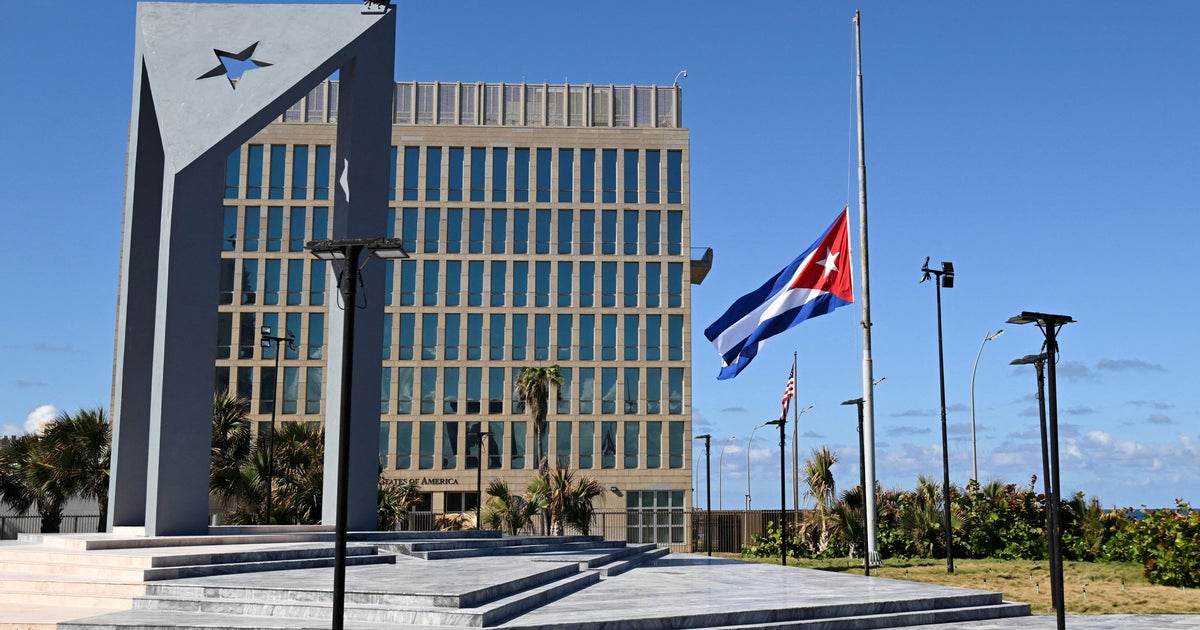
Anomalous Health Incidents, or AHI—more widely known as Havana Syndrome—refers to a puzzling collection of unexplained neurological symptoms that first emerged among American personnel stationed in Havana, Cuba, starting in 2016. Since then, similar cases have been reported at various locations around the world, affecting diplomats, intelligence officers, and military service members. The symptoms paint a disturbing picture: victims experience intense, debilitating headaches, persistent dizziness and vertigo, constant ringing in the ears, nausea, vision problems, and devastating cognitive impairments that can derail careers and personal lives. Over the past decade, more than 1,500 reports of these mysterious conditions have been filed. An unclassified Government Accountability Office report identified 334 U.S. government personnel who sought medical care for AHI through the military health system as of 2024. What makes this situation even more concerning is that new cases haven’t stopped—a senior congressional official confirmed to CBS News that additional incidents were reported during the first year of the second Trump administration, though specific details remain classified due to national security sensitivities. For those affected, the CFT has become more than just a bureaucratic entity; it’s a lifeline—serving as a central repository where victims can access medical care, navigate the complex compensation claims process under Havana Act legislation, and most importantly, find a place where their often-dismissed symptoms are finally taken seriously.
The Critical Role of the Cross-Functional Team
The cross-functional team wasn’t created on a whim—it was formally established through the FY2022 National Defense Authorization Act specifically to centralize the Department of Defense’s fragmented response to these incidents. Its creation recognized that scattered, uncoordinated efforts weren’t serving the hundreds of U.S. government personnel suffering from these mysterious ailments. The CFT’s mandate is comprehensive and multifaceted: it oversees medical care coordination, processes benefits under the Havana Act, conducts and coordinates research into potential causes, and works alongside investigative elements examining what might be behind these incidents. According to a senior congressional official who spoke on condition of anonymity, “The CFT has been a very important resource to the people in this cohort,” serving functions that extend far beyond simple medical treatment. The team has become a trusted advocate for victims, helping them access broader research into directed energy weapons and providing a forum where their experiences are validated rather than dismissed. The potential dissolution or weakening of this team has sparked outrage among those directly affected. A former CIA operations officer who served in Havana and identified himself only as ‘Adam’ didn’t mince words when speaking to CBS News: “Disbanding a carefully curated team of experts with decades of experience reeks of either incompetence or a cover-up. If Secretary Hegseth knew what this would mean for the war fighter that he so adamantly wants to protect and care for, there’s no way he would sign off.”
The Attribution Controversy and Ongoing Investigations
The question of who or what is causing these incidents remains contentious and unsettled. A multi-year intelligence community assessment concluded in 2024 that a foreign adversary is “very unlikely” to be responsible for most reported AHIs—a finding that many lawmakers and affected personnel have challenged vigorously. However, some expert panels have suggested a more nuanced picture, proposing that directed, pulsed electromagnetic energy could be a plausible explanation for at least a subset of cases. This distinction is crucial because it leaves open the possibility that while not all incidents have the same cause, some may indeed be the result of hostile action. The Office of the Director of National Intelligence has been conducting a comprehensive review of the intelligence community’s previous investigations, but those findings have not been made public, adding to the frustration of those seeking answers. In a development that suggests there may be more to the story than the intelligence community’s conclusions indicate, CBS News previously reported that the U.S. government quietly acquired a device in late 2024 that officials believe may be connected to AHIs. The Pentagon has been testing this device—which emits pulsed, radio-frequency energy and contains Russian-made components—for more than a year. The existence of this device and ongoing testing raises serious questions about the premature nature of concluding that foreign adversaries are “very unlikely” to be involved. Critics argue that more rigorous investigation and greater transparency are needed before drawing definitive conclusions about what’s causing these debilitating symptoms.
Lack of Congressional Briefings Raises Red Flags
Beyond the concerns about reorganizing the CFT, Senators Shaheen and Collins highlighted another troubling issue in their letter to Secretary Hegseth: the team hasn’t provided briefings on its findings to Congress since 2024. The senators didn’t pull punches in characterizing this lapse, stating it was “not only a violation of the law, but raises concerns over the motivations of some within your Department on continuing the CFT’s important work.” This lack of communication with congressional overseers suggests something more than simple bureaucratic inefficiency—it points to possible resistance within the Department of Defense to maintaining the investigation’s profile and priority. The congressional official who spoke with CBS News offered some additional context, noting that the problem doesn’t appear to originate at the highest levels of Defense Department leadership. “When the CFT has briefed the Secretary…he has been receptive,” the official explained, suggesting that Hegseth himself isn’t opposed to the team’s work. However, the official indicated that other bureaucratic levels within the department were “less invested in — and even overtly opposed to — investigating the issue.” This middle-management resistance could explain both the reorganization plans and the failure to provide required congressional briefings, painting a picture of bureaucratic obstruction that’s undermining efforts to help affected personnel and determine what’s really happening.
Accountability and the Path Forward
The senators’ letter pointedly reminded Secretary Hegseth of commitments he made during his confirmation process. Following his confirmation hearing, Hegseth submitted written answers to the Senate Armed Services Committee in which he pledged to “fully support DoD facilities continuing to care for diplomats, intelligence professionals and other U.S. government employees suffering AHI symptoms.” Armed with this record, Shaheen and Collins argued that any changes to the CFT would “appear to be out of line with both your priorities and those of the President.” This appeal to Hegseth’s own stated commitments represents a strategic approach by the senators, essentially holding the Defense Secretary accountable to his own words while giving him political cover to resist internal pressure to downsize the team. For the hundreds of Americans suffering from these mysterious and often devastating symptoms, the stakes couldn’t be higher. These aren’t abstract bureaucratic questions—they’re about whether people who served their country will receive the medical care, disability compensation, and investigative attention their conditions deserve. The CFT represents years of accumulated expertise, established relationships with affected personnel, and institutional knowledge about these incidents that would be nearly impossible to reconstitute if scattered across different offices. As this situation unfolds, it will test whether the Defense Department prioritizes caring for its people over bureaucratic convenience, and whether the mystery of what’s causing these incidents will receive the sustained, serious investigation that both the victims and national security require.