
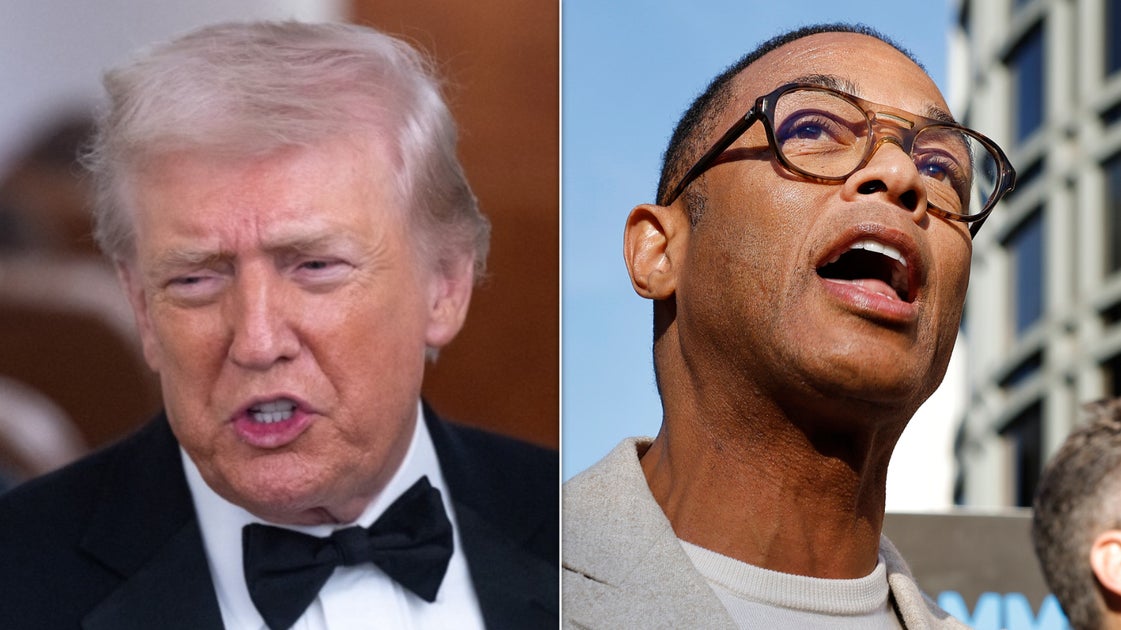

Trump Dismisses Don Lemon Arrest as Career Boost While Press Freedom Concerns Mount
The Shocking Arrest That Has Journalism on Edge
In a stunning development that has sent shockwaves through the media landscape, former CNN anchor Don Lemon found himself in federal custody last Thursday evening, arrested on civil rights charges that stem from his coverage of a religious protest in Minnesota. The arrest, which came without warning to most observers, has ignited a firestorm of controversy about press freedom, government overreach, and the increasingly precarious position of journalists working in today’s politically charged environment. Federal authorities took Lemon into custody in connection with his reporting on a January 18th protest at Cities Church in St. Paul, Minnesota, slapping him with serious charges including conspiracy and interfering with the First Amendment rights of churchgoers who were worshiping at the time. The irony of charging a journalist with hampering First Amendment rights while he was exercising his own First Amendment press freedoms has not been lost on legal experts and media watchdogs. Los Angeles Mayor Karen Bass confirmed that Lemon was released on his own recognizance, meaning he didn’t have to post bail but will need to appear in Minneapolis court on February 9th to face these federal charges. The situation represents an unprecedented escalation in tensions between the current administration and the press, raising troubling questions about what journalists can and cannot cover without fear of criminal prosecution.
Trump’s Scathing Response and Claims of Ignorance
President Donald Trump wasted no time weighing in on Lemon’s arrest, offering characteristically blunt commentary while speaking with reporters aboard Air Force One this past Saturday. In remarks that were both dismissive and personal, Trump suggested that getting arrested might actually be the best career move Lemon has made in years, framing the serious federal charges as little more than a publicity opportunity for a struggling media figure. When reporters pressed the President on whether he had any advance knowledge that Lemon would be taken into custody, Trump adamantly denied having any inside information about the arrest. “I didn’t know anything about the Don Lemon thing,” the President insisted, before quickly pivoting to personal attacks, calling the veteran journalist a “sleazebag” and claiming that “everyone’s known that.” Trump continued his criticism by characterizing Lemon as “washed up” and suggesting that his journalism career had been failing before the arrest brought him back into the national spotlight. “He had no viewers. He was a failure; he was a failed host. And now, he’s in the news,” Trump told reporters, painting a picture of a desperate media personality who might actually benefit from the serious legal jeopardy he now faces. The President’s comments, while not unexpected given his long history of antagonism toward journalists he perceives as critical of his administration, have added another controversial layer to an already explosive situation that has media advocates deeply concerned about the chilling effect such prosecutions might have on investigative journalism and coverage of protests and civil unrest.
Lemon’s Defiant Stand for Press Freedom
Minutes after walking out of federal custody, Don Lemon made it clear that he has absolutely no intention of backing down or moderating his approach to journalism in the face of these federal charges. In a powerful statement that resonated with reporters and press freedom advocates across the country, Lemon framed his arrest not as a personal crisis but as part of a larger assault on the foundational principles of American democracy. “I have spent my entire career covering the news. I will not stop now,” Lemon declared with evident determination, his voice carrying the weight of someone who understands the historical significance of this moment. He went on to emphasize the critical importance of independent journalism, especially during times of political tension and government actions that might not withstand public scrutiny. “There is no more important time than right now, this very moment, for a free and independent media that shines a light on the truth and holds those in power accountable,” Lemon stated, positioning himself as part of a long tradition of journalists who have faced government pressure, harassment, and even prosecution for doing their jobs. His defiant stance has earned him support from unexpected quarters, with journalists across the political spectrum recognizing that prosecuting reporters for covering protests sets a dangerous precedent that could affect anyone working in media, regardless of their political leanings or the outlets they work for.
Legal Team Points Fingers at Administration Priorities
Lemon’s attorney, the renowned lawyer Abbe Lowell who has represented numerous high-profile clients in politically sensitive cases, didn’t mince words when addressing what he sees as a disturbing misuse of federal law enforcement resources. In a strongly worded statement shared on Instagram, Lowell turned the tables on the Trump administration, accusing the Justice Department of “wrongdoing” for pursuing charges against journalists rather than investigating more serious matters. Lowell pointedly noted that instead of investigating federal agents who killed two peaceful protesters in Minnesota, the Trump Justice Department has chosen to devote its “time, attention and resources” to arresting a journalist who was simply covering events as they unfolded. The attorney characterized this decision as “the real indictment of wrongdoing in this case,” suggesting that the prosecution itself reveals more about the administration’s priorities and attitude toward press freedom than it does about Lemon’s actions. Furthermore, Lowell framed the arrest as “an unprecedented attack on the First Amendment and transparent attempt to distract attention from the many crises facing this administration,” putting the legal battle in broader political context. His statement concluded with a firm promise: “This will not stand,” signaling that Lemon’s legal team is prepared for a vigorous defense that will likely challenge not just the specific charges but the very premise that journalists can be prosecuted for covering protests and civil unrest.
A Pattern Emerges: Multiple Journalists Targeted
The situation became even more concerning when it emerged that Don Lemon wasn’t the only journalist covering the Cities Church protest to face arrest. Georgia Fort, another reporter who was present at the January 18th event, revealed during a Facebook livestream that she too had been taken into custody early Friday morning on similar charges. The fact that multiple journalists covering the same event have now been arrested on federal charges has amplified concerns that this represents a coordinated effort to intimidate the press rather than isolated incidents of overzealous prosecution. Fort’s arrest, coming so quickly after Lemon’s, suggests a deliberate strategy of targeting media coverage of protests, particularly those that might reflect poorly on government actions or raise questions about how authorities handle demonstrations. The dual arrests have created a chilling effect that extends far beyond these two individuals, as journalists across the country are now wondering whether covering protests, civil unrest, or controversial religious gatherings might expose them to federal prosecution. This uncertainty threatens to undermine one of journalism’s most important functions: bearing witness to events of public significance, especially when those events involve potential conflicts between citizens and government authorities.
Press Freedom Groups Sound the Alarm
Media and journalist advocacy organizations have responded to these arrests with unprecedented alarm, recognizing them as potentially watershed moments in the ongoing struggle between press freedom and government authority. Groups ranging from the Committee to Protect Journalists to the Reporters Committee for Freedom of the Press have issued statements calling the arrests “extremely alarming” and characterizing them as a direct “attack on the First Amendment.” These organizations, which monitor press freedom conditions around the world, note that arresting journalists for covering protests is the kind of behavior typically associated with authoritarian regimes, not democratic societies with constitutional protections for press freedom. The fact that these arrests are happening in the United States, a country that has historically positioned itself as a global defender of press freedom, makes them particularly troubling to international observers as well. Legal experts have pointed out that the charges themselves—conspiracy and hampering others’ First Amendment rights—represent a dangerous inversion of constitutional principles when applied to journalists who are themselves exercising First Amendment protections. The outcome of Lemon’s case could set precedents that either reaffirm strong protections for journalists covering protests and civil unrest or create new legal vulnerabilities that might fundamentally change how the American press operates. As the February 9th court date approaches, the journalism community is watching closely, understanding that what happens to Don Lemon and Georgia Fort could have implications that extend far beyond their individual cases, potentially reshaping the landscape of American journalism for years to come.