


Trump Administration Escalates Harvard Dispute with $1 Billion Damage Claim
A Dramatic Shift in Settlement Negotiations
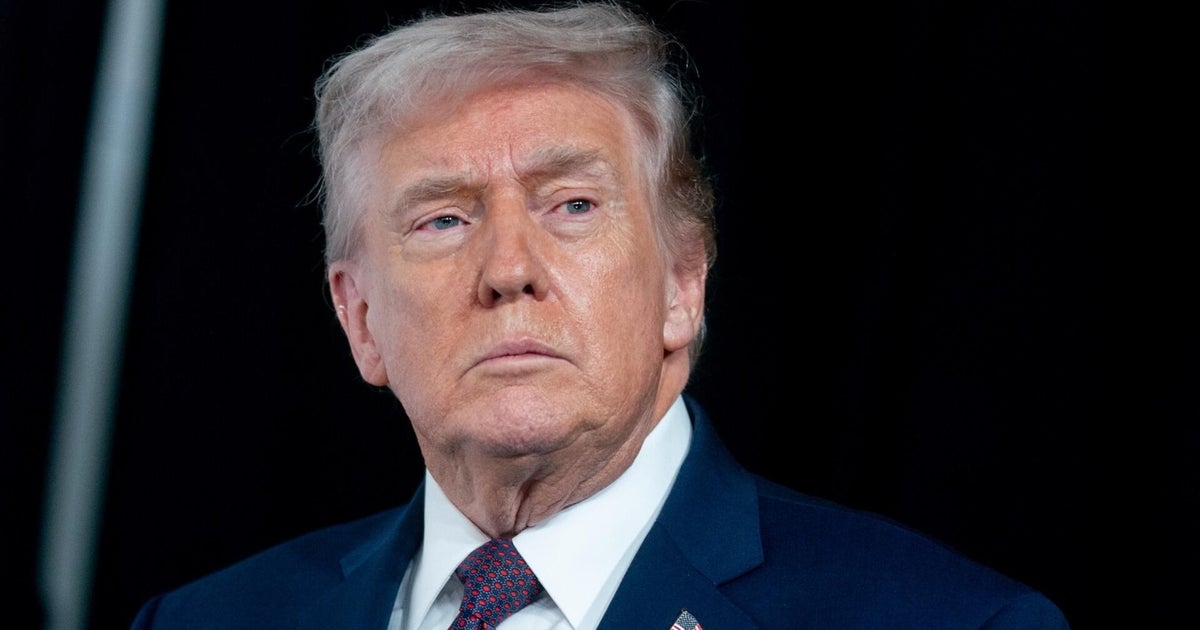
In a late Monday evening announcement that sent shockwaves through the academic community, President Trump declared that his administration is now pursuing an unprecedented $1 billion in damages from Harvard University, one of America’s most prestigious and oldest educational institutions. This dramatic escalation came as a direct response to a New York Times investigation revealing that Harvard had apparently secured some victories in behind-the-scenes settlement discussions with the government. Taking to his Truth Social platform, the President made clear his administration’s hardened stance, stating unequivocally, “We are now seeking One Billion Dollars in damages, and want nothing further to do, into the future, with Harvard University.” The announcement represents a significant departure from earlier negotiations and signals what appears to be a complete breakdown in the relationship between the federal government and the Ivy League university.
The Background of a Contentious Relationship
The conflict between the Trump administration and Harvard didn’t emerge overnight but has been building through months of increasingly tense negotiations and public disputes. President Trump had previously told reporters back in September that his team was on the verge of reaching a $500 million settlement agreement with the university. That potential deal included provisions for Harvard to establish new trade schools as part of a broader workforce development initiative. However, according to the President’s recent statements, this vocational training proposal was ultimately rejected by administration officials who deemed it “wholly inadequate” and unlikely to succeed. Trump characterized the trade school concept as nothing more than “a convoluted job training concept” that he believed was simply Harvard’s strategy to avoid paying what he considers appropriate financial penalties. In his view, the university was attempting to use this program as a way to escape what he described as a “large cash settlement of more than 500 Million Dollars,” which he argued should actually be much higher given what he termed the “serious and heinous illegalities” committed by the institution, though he didn’t specify exactly which laws Harvard allegedly violated.
Federal Funding as Leverage in the Dispute
At the heart of this confrontation lies Harvard’s dependence on federal research grants, which form a crucial pillar of the university’s financial infrastructure. Like many major research universities across America, Harvard relies heavily on government funding to support its extensive research programs, faculty positions, and academic initiatives. The Trump administration has recognized this vulnerability and, according to the New York Times reporting that the President quoted, has “repeatedly attempted to cut off research grants” as a pressure tactic. The newspaper noted that some individuals connected to Harvard believe the university has little choice but to eventually negotiate some form of settlement, as the loss of federal research funding “would be an untenable crises” for the institution. This financial dependency creates a complex power dynamic where the federal government holds considerable leverage over even the wealthiest and most well-endowed universities. The situation highlights the delicate balance that exists between academic independence and the practical reality of relying on government support for essential operations and research activities.
Accusations of “Woke” Ideology and Antisemitism
The Trump administration’s actions against Harvard are part of a broader campaign targeting what officials characterize as problematic ideological trends at elite educational institutions. Administration representatives have specifically accused Harvard and other prestigious colleges of promoting what they derisively call “woke” ideology while simultaneously failing to provide adequate protection for Jewish students during pro-Palestinian demonstrations and protests on campus. These accusations led to the filing of multiple legal complaints against the university and accompanying demands for substantial financial settlements. The administration has framed its actions as necessary accountability measures to address what it sees as serious failures in campus leadership and violations of students’ rights. However, this narrative has been met with significant pushback from those who view the government’s approach as an overreach of executive power and an attempt to control academic discourse through financial intimidation. The dispute touches on fundamental questions about campus free speech, the responsibility of universities to protect students from discrimination, and the appropriate role of government in regulating higher education institutions.
Judicial Pushback and Constitutional Concerns
The Trump administration’s aggressive stance toward Harvard has not gone unchallenged in the courts. In a significant ruling issued in September, U.S. District Judge Allison Burroughs determined that the administration had violated Harvard University’s First Amendment rights as well as federal law when it froze nearly $2 billion in federal grants based on antisemitism allegations. Judge Burroughs didn’t mince words in her assessment, describing the funding freeze as part of a “government-initiated onslaught” against the institution that was, in her legal opinion, “much more about promoting a governmental orthodoxy in violation of the First Amendment than about anything else, including fighting antisemitism.” This judicial rebuke represents a serious setback for the administration’s approach and raises fundamental constitutional questions about the limits of government power over educational institutions. Additionally, Harvard took separate legal action against the federal government after President Trump implemented a policy barring most international students from entering the United States to study at the university. Judge Burroughs again sided with Harvard in that case, blocking the policy’s implementation, though the Justice Department has indicated its intention to appeal that decision.
The Broader Implications for Higher Education
What’s happening between the Trump administration and Harvard extends far beyond a single institutional dispute and represents a potentially transformative moment for American higher education. Critics of the administration’s approach have characterized it as a calculated pressure campaign specifically targeting liberal universities, using the power of federal funding as a weapon to enforce ideological conformity. This interpretation raises troubling questions about academic freedom, institutional autonomy, and the independence of America’s universities from political interference. The situation has placed other colleges and universities on alert, wondering whether they might face similar treatment if they take positions or allow campus activities that the administration deems objectionable. The unprecedented nature of seeking $1 billion in damages from a university, combined with threats to eliminate future federal relationships, represents a level of government antagonism toward higher education that is virtually unprecedented in modern American history. As this conflict continues to unfold through negotiations, legal proceedings, and public statements, it will likely shape the relationship between government and academia for years to come, potentially influencing everything from research priorities to campus policies on free speech and protest. Harvard University, for its part, has been contacted for comment on the latest developments but has yet to issue a public response to the President’s dramatically increased damage claim.