


The Evolution of Real-World Assets: How Quantra and REI Network Are Building the Future of Decentralized Finance
Introduction: A New Era for Physical Assets in the Digital World
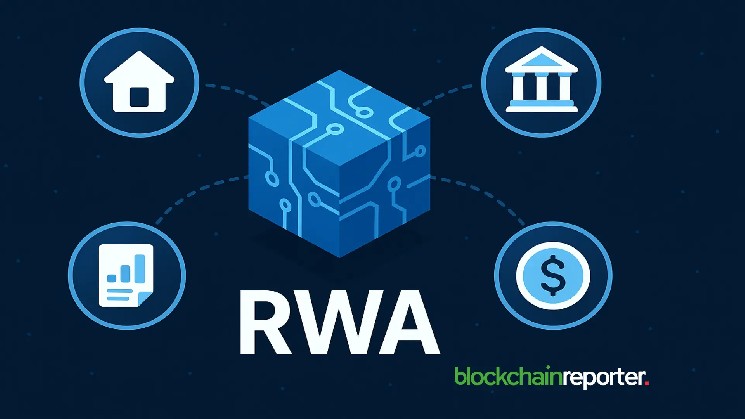
The landscape of Real-World Assets (RWA) is experiencing a remarkable transformation that goes far beyond simple tokenization. What started as a novel concept of digitizing physical assets has evolved into sophisticated automated financial systems that bridge the gap between traditional physical resources and cutting-edge blockchain technology. At the forefront of this revolution, Quantra has taken a significant leap forward by forming a strategic partnership with REI Network, combining their specialized infrastructure with high-performance blockchain capabilities. This collaboration represents more than just another alliance in the crypto space—it’s a carefully orchestrated effort to establish new standards for how essential physical resources, particularly energy and computing power, can be seamlessly integrated into the decentralized finance ecosystem. As the world increasingly demands sustainable energy solutions and powerful computing resources to drive artificial intelligence and other technologies, this partnership positions itself at the intersection of some of today’s most critical needs. The implications extend beyond mere financial innovation, touching on how we might fundamentally restructure the relationship between physical infrastructure and digital markets in ways that could reshape entire industries.
Building the Foundation: Quantra’s Unique Approach to Real-World Assets
Unlike many projects in the RWA space that have primarily focused on fractionalizing real estate ownership—essentially digitizing property shares—Quantra has taken a distinctly different path by targeting two of the most essential and in-demand sectors of our modern economy: computing power and energy assets. This strategic focus reflects a deep understanding of where the global economy is heading, as both computational resources for AI and data processing, along with sustainable energy infrastructure, represent critical bottlenecks that societies worldwide are struggling to address. The company’s infrastructure is built on three foundational pillars that work together to create a robust system: verification, on-chain mapping, and rule-based execution. This tripartite structure isn’t just technical jargon—it represents a comprehensive approach to ensuring that digital tokens actually correspond to real, verifiable physical assets. The verification component ensures that the physical resources being tokenized actually exist and are producing the claimed value, whether that’s kilowatt-hours of electricity or computing cycles. The on-chain mapping creates a transparent, immutable record that links each digital token to its physical counterpart, providing an auditable trail that institutional investors can trust. Finally, the rule-based execution allows for automated contracts that respond to real-world conditions, creating dynamic financial instruments that can adapt to changing circumstances without requiring constant human intervention. This comprehensive approach addresses one of the fundamental challenges that has held back institutional adoption of tokenized assets: the question of trust and verification.
The Technical Backbone: Why REI Network Makes This Partnership Work
For all of Quantra’s innovative infrastructure to function effectively in the real world, it needs a blockchain platform capable of handling the immense volume and complexity of transactions that come with tokenizing and trading physical assets at scale. This is where REI Network enters the picture, providing the high-performance technical foundation necessary to make these ambitious plans viable. REI Network is an EVM-compatible blockchain—meaning it can run Ethereum-based smart contracts while offering significant improvements in performance and cost. The network was specifically designed to address two of the most persistent problems plaguing blockchain adoption: scalability issues that cause networks to slow down under heavy use, and prohibitively high transaction fees (gas fees) that make frequent small transactions economically impractical. For applications involving RWAs, these capabilities are absolutely essential. Consider the complexity involved in verifying energy production across thousands of solar panels or wind turbines, each generating data that needs to be recorded, verified, and potentially traded—all in near real-time. Or imagine tracking computing resources being allocated, used, and paid for across a decentralized network of processors. These scenarios require a blockchain that can handle massive numbers of microtransactions efficiently and cheaply. REI Network’s architecture delivers fast finality, meaning transactions are confirmed quickly, and its modular design allows developers to build specialized applications tailored to specific use cases. Perhaps most importantly, the network’s approach to minimizing or eliminating transaction fees removes a major barrier that would otherwise make frequent small transactions—which are common in resource management and micropayment scenarios—completely impractical from an economic standpoint.
The Convergence of Physical Infrastructure and Blockchain Technology
The partnership between Quantra and REI Network represents something larger than just two companies working together—it exemplifies an emerging trend toward what industry insiders call DePINs, or Decentralized Physical Infrastructure Networks. This concept represents a fundamental rethinking of how essential infrastructure can be owned, operated, and monetized. Rather than traditional centralized utility companies or infrastructure providers, DePINs envision networks of distributed physical assets—solar panels, wind farms, computing servers, wireless networks, and more—that are coordinated through blockchain technology and owned by diverse stakeholders. This model has gained traction precisely because it addresses several critical global challenges simultaneously. As artificial intelligence applications demand ever-increasing amounts of computing power, and as societies worldwide work urgently to transition to sustainable energy sources to combat climate change, the ability to efficiently coordinate, trade, and allocate these resources becomes increasingly valuable. Blockchain technology offers unique advantages for this coordination challenge: it provides transparency so all participants can verify what resources are available and being used; it enables fractional ownership so that building expensive infrastructure doesn’t require massive capital concentration; and it facilitates peer-to-peer transactions without requiring trusted intermediaries who add costs and friction. The Boston Consulting Group has projected that tokenizing illiquid assets worldwide could create a market worth an astonishing $16 trillion by 2030. This isn’t just speculation—it reflects growing recognition that vast amounts of value are currently locked up in physical assets that are difficult to trade, divide, or leverage because they exist outside the fluid digital financial system. Energy infrastructure and computing resources represent a significant portion of this potential market, making Quantra’s focus particularly strategic.
Overcoming Barriers to Institutional Adoption
For all the promise of tokenized real-world assets, the concept has faced significant headwinds when it comes to attracting serious institutional capital. Major financial institutions, pension funds, and other large investors have remained largely on the sidelines, watching the space develop but hesitant to commit substantial resources. Their caution isn’t baseless—it stems from legitimate concerns about technical reliability, regulatory compliance, asset verification, and the practical challenges of integrating blockchain-based assets into traditional financial systems. The Quantra-REI Network partnership directly addresses several of these concerns through its design. The comprehensive verification and mapping system that Quantra has built provides the transparency and auditability that institutional investors require. Unlike some tokenization projects where the connection between digital tokens and physical assets remains somewhat opaque, Quantra’s approach creates clear, verifiable links that can withstand institutional due diligence. Meanwhile, REI Network’s technical capabilities address another major concern: whether blockchain infrastructure can actually handle institutional-scale operations without grinding to a halt or imposing impractical costs. By eliminating high transaction fees and providing the scalability to handle enormous transaction volumes, REI Network demonstrates that blockchain technology has matured beyond its earlier limitations. The partnership also tackles the critical issue of interoperability—the ability of different systems to work together. REI Network’s EVM compatibility means that applications built on this platform can potentially interact with the broader Ethereum ecosystem, where much of the DeFi infrastructure and liquidity currently resides. This connectivity is essential because institutional investors won’t commit capital to isolated blockchain islands; they need assurance that assets can move fluidly across platforms and be integrated into diverse investment strategies.
Looking Forward: The Broader Implications for Finance and Infrastructure
The collaboration between Quantra and REI Network offers a glimpse into a future where the boundaries between physical and digital assets become increasingly blurred, and where essential infrastructure operates according to fundamentally different organizational principles than we’ve known historically. If this model proves successful, it could catalyze a broader reimagining of how societies build, own, and operate critical infrastructure. Imagine a world where contributing your rooftop solar panels to a decentralized energy network automatically generates tokenized credits that you can trade, hold as an investment, or use to purchase computing resources from a decentralized network of processors. Or consider how developing nations might leapfrog traditional centralized infrastructure development by enabling citizens to collectively fund and own distributed infrastructure through tokenization, much as mobile phones allowed many countries to bypass landline networks entirely. The geopolitical implications are significant as well—energy and computing power have become strategic resources that influence international relations and national security. Decentralizing these resources through blockchain-coordinated networks could shift power dynamics, reducing dependence on centralized providers and potentially making infrastructure more resilient against disruption. Of course, challenges remain. Regulatory frameworks are still catching up to these innovations, and questions about security, governance, and equitable access need ongoing attention. Yet partnerships like this one between Quantra and REI Network demonstrate that the technical foundations for a new infrastructure paradigm are being laid right now. By focusing on practical solutions to real problems—verifying physical assets, enabling efficient transactions, and creating trustworthy systems—they’re moving beyond cryptocurrency speculation toward applications that could genuinely transform how essential resources are managed and traded. The success of this partnership will be measured not just in tokens traded or market capitalization achieved, but in whether it can demonstrate a viable alternative model for infrastructure development that’s more transparent, accessible, and efficient than what came before.