


BAFTA Ceremony Marred by Unintentional Racial Slur: A Complex Intersection of Disability and Offense
When Good Intentions Meet Difficult Circumstances
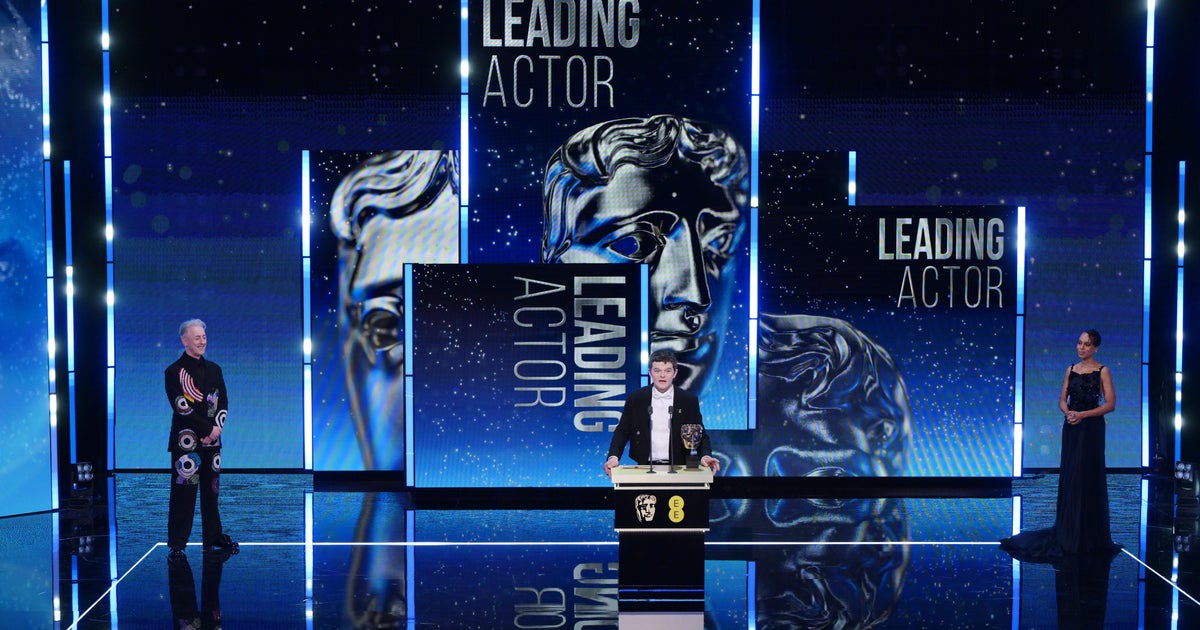
The 2026 British Academy Film Awards became the center of an unexpected controversy that highlights the complicated nature of disability inclusion in public spaces. During Sunday’s glamorous ceremony at London’s Royal Festival Hall, an audience member with Tourette syndrome involuntarily shouted a racial slur while actors Michael B. Jordan and Delroy Lindo were presenting the award for best visual effects. The incident occurred during what should have been a celebratory evening, particularly for John Davidson, a Scottish disability campaigner whose life story inspired the BAFTA-nominated film “I Swear.” The movie had already won two awards that evening, including best actor for Robert Aramayo, who portrayed Davidson himself. What followed was a cascade of apologies from BAFTA, the BBC, and host Alan Cumming, all attempting to navigate the delicate balance between supporting disability inclusion and acknowledging the genuine harm caused by offensive language, regardless of its involuntary nature.
Understanding Tourette Syndrome and the Reality of Involuntary Tics
To fully comprehend the complexity of this situation, it’s essential to understand what Tourette syndrome actually is and how it affects those living with the condition. Tourette syndrome is a neurological disorder that causes people to make involuntary, repetitive movements and vocalizations known as tics. These tics can range from simple movements like blinking or shoulder shrugging to more complex behaviors, including the utterance of words or phrases. One of the most challenging and misunderstood aspects of Tourette’s is a symptom called coprolalia, where individuals involuntarily speak obscene or socially inappropriate words. Contrary to popular belief, only about 10-15% of people with Tourette syndrome experience coprolalia, but it remains one of the most stigmatized aspects of the condition. What’s crucial to understand is that these vocalizations are completely involuntary—the person experiencing them has absolutely no control over when they occur or what is said. For someone like John Davidson, who has become an advocate for Tourette awareness, living with this condition means constantly navigating a world that may not understand the neurological basis of these behaviors.
BAFTA’s Attempt at Inclusion and the Challenges That Followed
The British Academy of Film and Television Arts deserves recognition for its efforts to be inclusive by inviting Davidson to attend the ceremony, especially given that a film about his life was being celebrated that very evening. Before the event began, host Alan Cumming had informed the audience about Davidson’s presence and explained that they might hear strong language, involuntary noises, or movements during the ceremony. This proactive approach demonstrated BAFTA’s commitment to disability inclusion and their understanding that true accessibility means welcoming people with all types of disabilities into public spaces. However, despite these well-intentioned preparations, the organization found itself in damage-control mode when the incident occurred. After the outburst, Cumming addressed the audience directly, explaining once again that Tourette syndrome is a disability and that the tics are involuntary, apologizing to anyone who was offended. Following the incident, Davidson made the difficult decision to leave the auditorium and watch the remainder of the ceremony from a screen elsewhere—a heartbreaking outcome on what should have been a triumphant evening celebrating his story and raising awareness about his condition.
The BBC’s Broadcasting Dilemma and Response
The situation became further complicated by the BBC’s handling of the broadcast. The ceremony was not aired live but was instead broadcast approximately two hours after the actual event, which theoretically should have provided time for editing. When the program aired with the racial slur still audible, it sparked additional controversy and questions about editorial decisions. Initially, the offensive word could still be heard on the BBC’s streaming service on Monday morning, leading to criticism from viewers who felt that the broadcaster had sufficient time and opportunity to edit out the slur before transmission. The BBC eventually removed the program and issued a statement apologizing for not editing out the offensive language prior to broadcast, promising that it would be removed from the version available on BBC iPlayer. The broadcaster explained that the language “arose from involuntary verbal tics associated with Tourette syndrome” and was “not intentional,” but acknowledged that it should have been handled differently. This response raised important questions about how media organizations should balance disability inclusion with protecting audiences from potentially harmful content, particularly when there’s time for editorial intervention.
The Broader Debate: Inclusion, Offense, and Finding Middle Ground
This incident has sparked a broader conversation about how society can be truly inclusive while also acknowledging when people are genuinely hurt or offended, even when no harm was intended. Ed Palmer, vice chairman of the charity Tourettes Action, suggested that the BBC should have considered bleeping out the slur, calling it “one of the most acute examples of where something that is a disability can cause quite understandably huge amounts of offense to someone.” His comment points to a potential middle ground: acknowledging that while the person with Tourette’s bears no responsibility for their involuntary tics, broadcasters and event organizers still have a responsibility to protect audiences from harmful language when possible. This doesn’t mean excluding people with Tourette syndrome from public events—far from it. Instead, it suggests that live events might proceed with appropriate warnings and context, while recorded broadcasts could employ technical solutions like bleeping or brief audio cuts to remove specific offensive words while still including the person with Tourette’s in the footage. This approach would honor both the principle of disability inclusion and the legitimate concerns of communities targeted by slurs and hate speech.
Moving Forward: Lessons in Dignity, Inclusion, and Compassion
Perhaps the most remarkable aspect of this entire situation was the dignity displayed by all parties involved. BAFTA extended special thanks to Michael B. Jordan and Delroy Lindo for their “incredible dignity and professionalism” in continuing with their presentation despite the shocking interruption. John Davidson himself demonstrated extraordinary consideration for others by choosing to remove himself from the situation, even though it meant missing the live experience of a ceremony celebrating his own story. The academy thanked him for “his dignity and consideration of others, on what should have been a night of celebration for him”—words that carry a bittersweet weight. Moving forward, this incident should serve as a learning opportunity rather than a reason to retreat from inclusion efforts. True accessibility and inclusion will sometimes involve uncomfortable moments and difficult conversations, but the solution isn’t to exclude people with disabilities from public life. Instead, it requires thoughtful planning, clear communication, technical accommodations when appropriate, and above all, compassion and understanding from all involved. The fact that “I Swear,” a film about Davidson’s experiences with Tourette syndrome, won multiple BAFTAs shows there’s significant public interest in understanding and normalizing disabilities. The challenge now is to translate that interest into practical policies that allow for full participation while minimizing harm—a difficult balance, but one worth striving for in building a truly inclusive society.