
Trump’s Stark Warning to Iran: Peace or Escalation
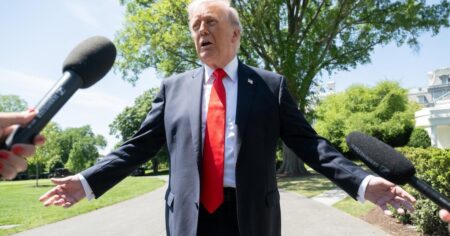
President Trump issued a severe ultimatum to Iran on Wednesday, making it crystal clear that the stakes couldn’t be higher. Through a post on his Truth Social platform, he warned that if Iran refuses to agree to peace terms, the United States would launch military strikes “at a much higher level and intensity” than anything seen in previous bombing campaigns. His statement came with a cautious tone, acknowledging that Iran’s agreement to peace is “perhaps, a big assumption,” suggesting he remains skeptical about whether diplomatic efforts will succeed. This latest threat marks a critical juncture in the ongoing tensions between the two nations, with Trump essentially laying out two paths: one toward peace and one toward significantly intensified military action. The president’s warning underscores the precarious nature of current negotiations and signals that the administration is prepared to dramatically escalate military operations if diplomatic solutions fail to materialize.
The On-Again, Off-Again Project Freedom
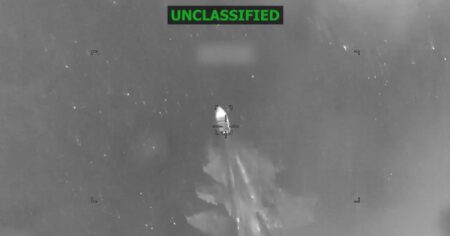
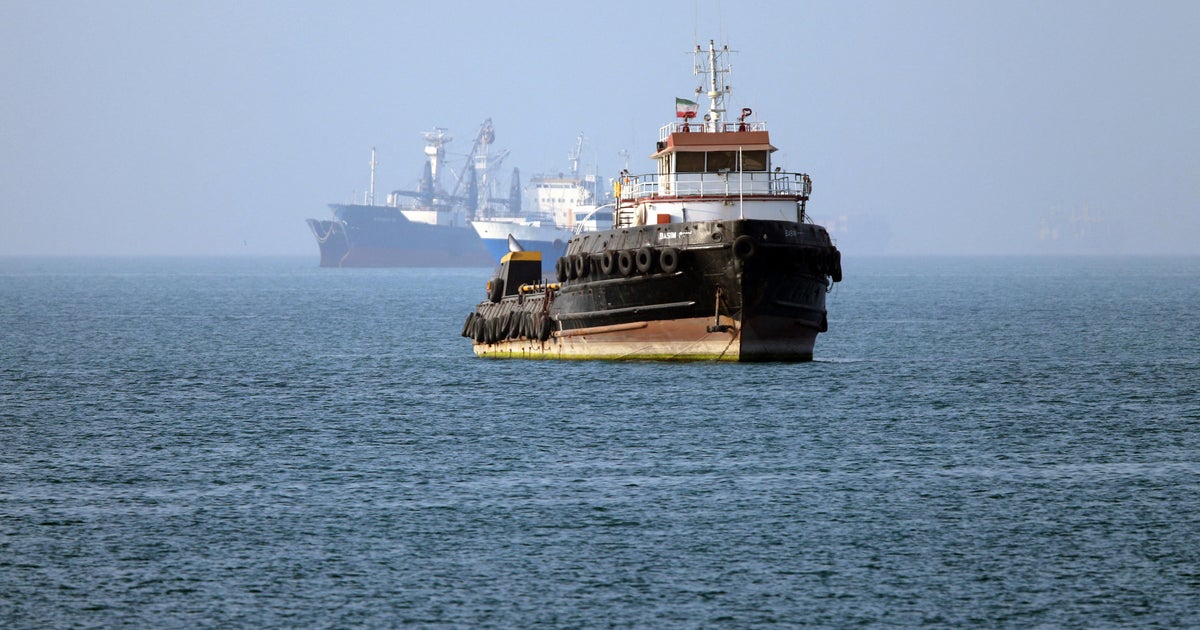
Trump’s Wednesday warning came just thirteen hours after he announced a pause to Project Freedom, a short-lived U.S. military operation designed to escort commercial vessels safely through the strategic Strait of Hormuz. The operation, which lasted only a single day before being suspended, had immediately provoked a violent response from Iran, demonstrating just how volatile the situation in the region has become. In his earlier post, Trump suggested that the pause was intended to create space for potential peace negotiations, citing what he described as “great progress” in diplomatic talks. This rapid shift from military action to pause to threats of escalation illustrates the fluid and unpredictable nature of the current crisis. The brief duration of Project Freedom raises questions about the operation’s planning and the administration’s strategy for dealing with Iranian resistance. The fact that it drew such an immediate and forceful Iranian reaction also highlights how any American military presence in the contested waterway is viewed as a provocation by Tehran.
Conditional Terms and Uncertain Agreements
In his Wednesday statement, President Trump laid out conditions that remain shrouded in mystery to the public and apparently to Iran’s leadership as well. “Assuming Iran agrees to give what has been agreed to, which is, perhaps, a big assumption, the already legendary Epic Fury will be at an end, and the highly effective Blockade will allow the Hormuz Strait to be OPEN TO ALL, including Iran,” Trump declared. The statement is puzzling because it references agreements that have never been publicly disclosed or apparently confirmed by Iranian authorities. Trump has not provided any specifics about what Iran has supposedly agreed to or what concessions might be on the table to end the conflict that has now stretched beyond two months. The vague nature of these purported agreements raises questions about whether genuine diplomatic progress has been made or whether the administration is attempting to apply public pressure on Iran to accept terms that may not have been fully negotiated. The reference to reopening the Strait of Hormuz to all vessels, including Iranian ships, suggests that current blockade measures have significantly restricted Iran’s own maritime access, adding another layer of economic pressure to the military confrontation.
The Hormuz Crisis and Global Economic Impact
The Strait of Hormuz has been effectively gridlocked since this conflict began over two months ago, creating a crisis with far-reaching consequences well beyond the immediate region. This narrow waterway is one of the world’s most vital shipping lanes, serving as the primary route for roughly one-fifth of the world’s petroleum and petroleum products. The standoff has sent global energy prices soaring, affecting economies worldwide and causing significant disruptions to international trade. The blockade has trapped numerous commercial vessels and forced shipping companies to seek alternative routes that are far more time-consuming and expensive. For Iran, the closure represents both a strategic weapon and an economic disaster, as the country relies heavily on the strait for its own oil exports. Trump’s reference to ending the blockade and reopening the strait “to all, including Iran” suggests that Iranian vessels have been unable to transit the waterway, effectively cutting off one of the nation’s economic lifelines. The global economic implications of this crisis have added pressure on both sides to find a resolution, though Trump’s ultimatum indicates he’s prepared to prioritize military objectives over immediate economic concerns.
Iran’s Silence and International Uncertainty
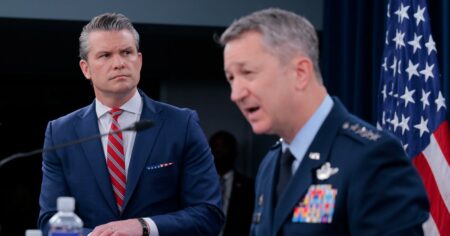
Notably, Iranian authorities have not responded publicly to any of Trump’s recent statements, maintaining a silence that could be interpreted in multiple ways. This lack of response might indicate that behind-the-scenes negotiations are indeed taking place and that Iranian officials are carefully considering their options before making any public commitments. Alternatively, the silence could reflect internal disagreements within Iran’s leadership about how to respond to American pressure, or it might simply represent a strategic decision to avoid public statements that could be perceived as either weakness or unnecessary escalation. The absence of Iranian commentary makes it difficult for international observers to assess whether genuine diplomatic progress is being made or whether the situation is heading toward renewed military confrontation. Secretary of State Marco Rubio’s comments on Tuesday night added another layer of complexity to the situation when he declared that Operation Epic Fury was already concluded and that its objectives had been achieved. However, Trump’s subsequent threats of renewed bombing “at a much higher level and intensity” seem to contradict the notion that military operations have successfully concluded, creating confusion about the administration’s actual position and plans.
The Path Forward: Diplomacy or Escalation
The current situation leaves the international community, regional powers, and global markets in a state of anxious uncertainty about what comes next. Trump’s ultimatum presents a stark choice: either Iran agrees to terms that remain undefined to the public, leading to an end to Operation Epic Fury and the reopening of the Strait of Hormuz, or the United States will launch a significantly more intense bombing campaign. The president’s characterization of such escalation as “sad” suggests some reluctance, but his determination to follow through appears firm. Rubio’s assertion that Epic Fury has concluded and achieved its objectives raises questions about what those objectives were and whether renewed military action would constitute a new operation with different goals. The discrepancy between Rubio’s declaration of mission accomplished and Trump’s threats of escalation may reflect different perspectives within the administration or simply different stages of a multi-phase strategy. For Iran, the choice is equally stark: accept terms that may be seen domestically as capitulation to American pressure, or face military strikes that Trump promises will be more devastating than anything experienced so far. The lack of public information about the supposed agreements makes it impossible for outside observers to judge whether the terms being discussed are reasonable or whether they represent demands that Iran’s government could never accept without facing internal political upheaval. As the world watches and waits, the hope is that diplomatic channels can produce a genuine breakthrough that averts further military action and reopens this critical waterway to international commerce. However, Trump’s latest statements suggest that patience is wearing thin and that the window for a peaceful resolution may be narrowing rapidly.