


Hantavirus Outbreak on Cruise Ship Creates International Crisis
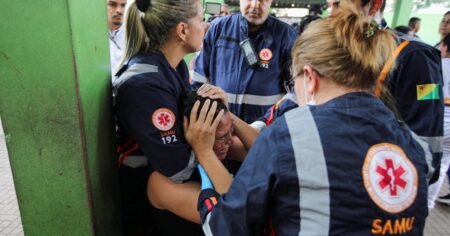
Desperate Medical Evacuations Underway
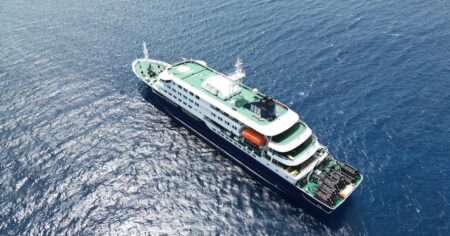
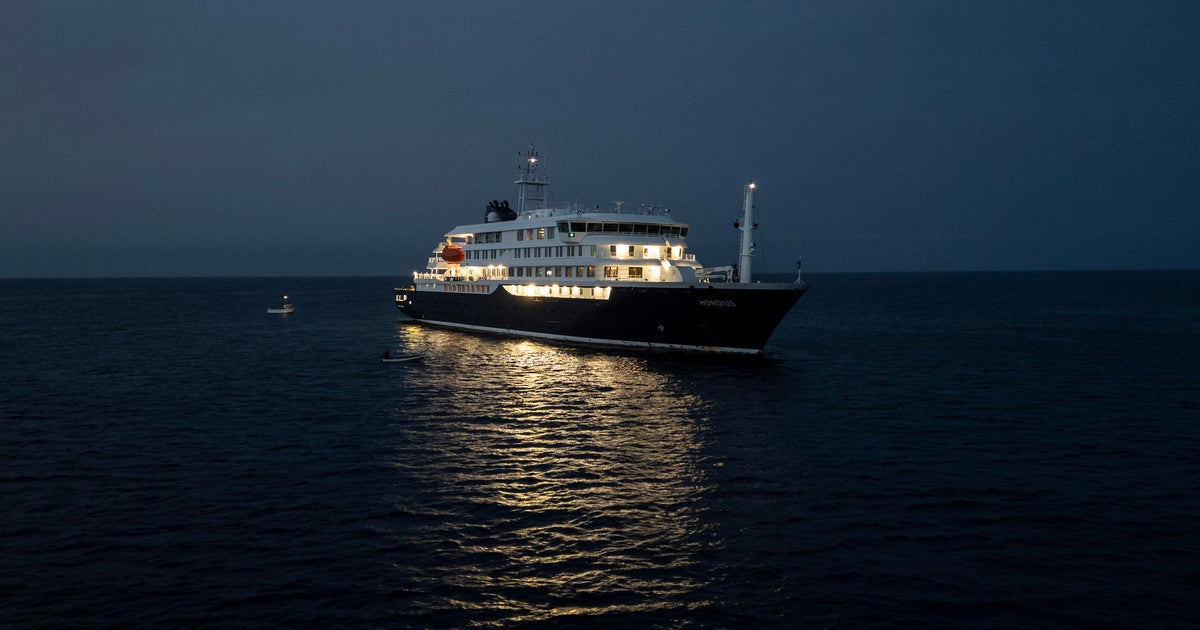
A serious health emergency has unfolded aboard the luxury cruise ship MV Hondius, where three passengers suspected of contracting the rare and deadly hantavirus are being evacuated to the Netherlands for urgent medical treatment. The World Health Organization confirmed on Wednesday that the three individuals—a British crew member, a German passenger, and a Dutch passenger—are being transported to receive specialized care as authorities scramble to contain what has already become a fatal outbreak. The situation has turned increasingly dire, with three people already dead from the virus, leaving the approximately 150 passengers and crew members trapped in what has become a floating quarantine zone. The ship, which departed from Ushuaia, Argentina on April 1st, has been anchored off the coast of Cape Verde, an island nation off West Africa, since Sunday, with passengers confined to their cabins while health officials around the world debate the next steps in managing this unprecedented crisis.
Political Standoff Complicates Rescue Efforts
What began as a public health emergency has quickly evolved into a political controversy, with the leader of Spain’s Canary Islands refusing to allow the stricken vessel to dock at the archipelago despite a coordinated plan between the Spanish government and the World Health Organization. Fernando Clavijo, who heads the regional government of the Canary Islands and belongs to Spain’s conservative opposition, publicly rejected the proposal on Wednesday, arguing that decisions affecting his region were being made “behind the backs of the Canary Islands institutions and without sufficient information to the population.” The original plan had called for the MV Hondius to head to the Canary Islands for a comprehensive investigation and full inspection once the three critically ill patients were evacuated. However, Clavijo’s refusal has thrown these plans into disarray, and he has now requested an emergency meeting with Spain’s socialist Prime Minister Pedro Sanchez to discuss the matter. Adding to the chaos, a planned medical evacuation flight meant to transport a sick doctor from the ship to the Canary Islands has been cancelled, according to sources close to the regional presidency. This political impasse has left passengers and crew members in limbo, unsure of when or where they will be allowed to disembark, while the clock continues to tick on potential additional infections.
Deadly Andes Strain Identified in Multiple Cases
The situation grew even more alarming when South African authorities confirmed on Wednesday that they had identified the Andes strain of hantavirus in two individuals who had previously been aboard the cruise ship. This particular strain, which is primarily found in Argentina and Chile, represents an especially dangerous variant of the virus because it can be transmitted directly from person to person—a characteristic that distinguishes it from most other hantavirus strains, which typically spread from rodents to humans but not between humans. The human-to-human transmission capability of the Andes strain raises the stakes considerably for everyone who has been on the ship or in contact with passengers. Adding to the growing list of confirmed cases, Swiss authorities announced on Wednesday that a man who had traveled on the ship and returned to his home in Switzerland at the end of April has also tested positive for the Andes strain. Swiss health officials were quick to reassure their citizens that “there is currently no risk to the Swiss public,” but the announcement underscores how the virus may have spread well beyond the confines of the ship itself. According to the World Health Organization, these developments bring the total number of confirmed hantavirus cases connected to the MV Hondius to eight, though that number could continue to rise as more former passengers and crew members are tested around the world.
Medical Experts Rush to Assist as Operator Responds
Recognizing the severity of the situation, Oceanwide Expeditions, the company operating the Dutch-flagged luxury cruise liner, announced that two infectious disease specialists were being dispatched from the Netherlands to the ship on Wednesday. These medical professionals will remain with the vessel after its anticipated departure from Cape Verde, providing specialized care and monitoring for the remaining passengers and crew members who may have been exposed to the virus. The deployment of these experts represents a critical step in managing the outbreak aboard the ship, where medical resources have been stretched thin and the psychological toll on those confined to their cabins continues to mount. The MV Hondius is described as a luxury vessel, likely equipped with comfortable accommodations, but even the finest amenities cannot ease the anxiety of being trapped aboard a ship where a deadly virus is circulating. The company’s response, while necessary, also highlights the unprecedented nature of this crisis—rarely do cruise operators need to dispatch infectious disease specialists to their ships, and the situation has drawn comparisons to the early days of the COVID-19 pandemic when several cruise ships became floating quarantine zones.
WHO Assesses Risk While Passengers Endure Uncertainty
Despite the alarming nature of the outbreak, Ann Lindstrand, the World Health Organization’s representative in Cape Verde, sought to reassure the public during an interview with CBS News on Tuesday, stating that there is no risk of a pandemic-level threat from the hantavirus due to the generally low likelihood of human-to-human transmission. However, she acknowledged that the Andes strain’s unique characteristic of person-to-person spread does complicate matters. Lindstrand revealed that Spanish and Dutch authorities are engaged in intense discussions about what will happen next to the passengers on board, who have been instructed to remain in their cabins as much as possible to minimize potential exposure. The decision about whether to implement a formal quarantine will ultimately rest with health authorities in Spain or the Netherlands, in close collaboration with WHO advisors. If quarantine measures are deemed necessary, they could last as long as two months, since the incubation period for hantavirus ranges from one to eight weeks—a prospect that Lindstrand herself described as “horribly long.” She reported that she has been in regular contact with a volunteer doctor aboard the ship who informed her that passengers are “coping surprisingly well” under the circumstances, though understandably anxious about their uncertain future and desperate to know when and where they will finally be allowed to disembark.
A Voyage from Paradise to Nightmare
The MV Hondius set sail from Ushuaia, Argentina—often called the “End of the World”—on April 1st, likely carrying passengers eager for adventure and the promise of exploring some of the planet’s most remote and beautiful locations. Instead, their dream vacation has transformed into a nightmare scenario that has captured international attention and sparked a complex web of medical, political, and logistical challenges. The cruise’s route from South America to West Africa suggests it may have been undertaking an extraordinary transoceanic journey, the kind of once-in-a-lifetime expedition that attracts adventurous travelers willing to spend weeks at sea. Now those same travelers find themselves confined to their cabins, watching from their windows as the coast of Cape Verde remains tantalizingly close yet completely out of reach. The situation aboard the MV Hondius serves as a stark reminder of how quickly circumstances can change and how vulnerable we remain to emerging infectious diseases, even in an age of modern medicine and global health monitoring systems. As the world watches and waits for resolution to this crisis, the passengers and crew members aboard the ship can only hope that international cooperation will prevail over political disputes, that medical expertise will successfully contain the outbreak, and that they will soon be able to return home to their families—ideally healthy, but at minimum, alive and able to share their harrowing tale of survival.