


Senate Advances Markwayne Mullin’s Nomination as New Homeland Security Secretary
A Swift Transition at Department of Homeland Security
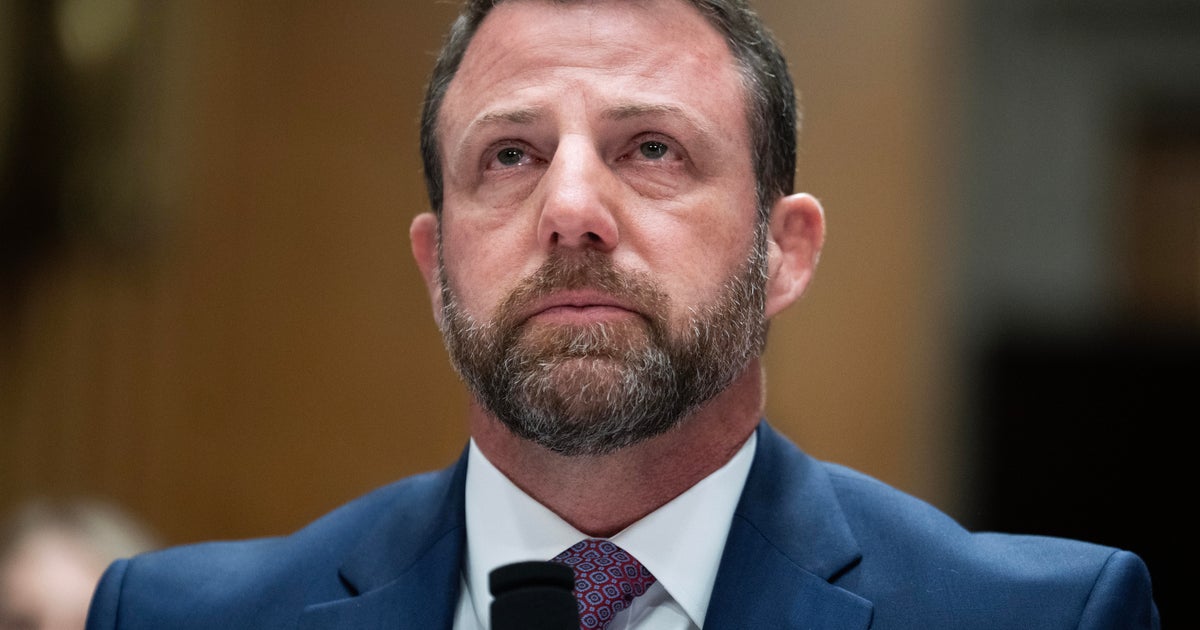
The United States Senate took a significant step forward on Sunday by advancing the nomination of Senator Markwayne Mullin to lead the Department of Homeland Security, marking a pivotal moment in the agency’s leadership transition. In a vote of 54 to 37, the Oklahoma Republican received bipartisan support, with two Democratic senators crossing party lines to join their Republican colleagues in moving his nomination forward. This development comes as President’s administration seeks to replace Kristi Noem, whose tenure as DHS Secretary had become increasingly controversial due to mounting criticism over the department’s handling of immigration enforcement and questionable spending decisions. The final confirmation vote is expected to take place within the coming days, and given the strong support Mullin has received from both sides of the aisle, his confirmation appears virtually certain.
Mullin’s Background and Political Journey
At 48 years old, Markwayne Mullin brings a unique and diverse background to the critical position of Homeland Security Secretary. His political career began in the House of Representatives, where he served Oklahoma constituents for an entire decade before making the transition to the Senate in 2023. However, politics represents just one chapter in Mullin’s multifaceted life story. Before entering public service, he established himself as a successful businessman, demonstrating his ability to navigate complex organizational challenges and financial matters. Additionally, Mullin has an unconventional background as a former mixed martial arts fighter, an experience that speaks to his competitive nature, discipline, and ability to handle high-pressure situations. During his relatively brief time in the Senate, Mullin has quickly distinguished himself as an effective communicator and bridge-builder, playing a crucial role in facilitating coordination between the House of Representatives, the Senate, and the White House. This ability to work across institutional boundaries has earned him widespread respect and has been cited as one of the key reasons he’s received such strong support for this nomination from Republicans and even a handful of Democrats who recognize the value of his collaborative approach.
Controversy and Confrontation During Confirmation
Despite the overall positive trajectory of Mullin’s nomination, the path to confirmation hit some unexpected turbulence last week when personal tensions erupted during his confirmation hearing. Senator Rand Paul, the Kentucky Republican who chairs the Senate Homeland Security Committee, publicly confronted Mullin about alleged inflammatory comments the nominee had made about him. According to Paul, Mullin had called him a “freaking snake” and had made comments suggesting he understood why a neighbor had physically attacked Paul back in 2017—a traumatic incident that left Paul with serious injuries. During the hearing, Paul raised serious questions about whether someone who allegedly “applauds violence against their political opponents” possesses the temperament and judgment necessary to lead an agency that has faced ongoing challenges in appropriately limiting its use of force. This line of questioning highlighted legitimate concerns about leadership qualities and the importance of maintaining professional standards, especially for someone who would oversee federal law enforcement operations involving the potential use of force. The confrontation created an uncomfortable moment that threatened to derail what had otherwise been a smooth confirmation process, exposing the personal dynamics and tensions that sometimes complicate even seemingly straightforward nominations.
Moving Forward Despite Internal Opposition
Despite Senator Paul’s vocal objections and his concerns about Mullin’s temperament, the Senate Homeland Security Committee ultimately voted to advance the nomination to the full Senate floor. Notably, Paul did not support moving the nomination forward, registering his opposition based on the concerns he had raised during the hearing. However, his lone objection was not enough to stop the nomination’s progress, particularly because Democratic Senator John Fetterman of Pennsylvania made the crucial decision to vote alongside the other Republicans on the committee. Fetterman’s support proved decisive in allowing Mullin’s nomination to move forward, demonstrating that despite some reservations, there exists a bipartisan consensus that Mullin represents an acceptable choice for this critical national security position. This bipartisan support reflects a pragmatic recognition that the Department of Homeland Security needs stable leadership, especially given the current challenges the agency faces and the controversy surrounding the previous secretary’s tenure.
Why Noem’s Departure Became Necessary
Markwayne Mullin’s nomination comes directly in response to the removal of Kristi Noem from her position as DHS Secretary, a departure that became inevitable as criticism of her leadership intensified from multiple directions. In recent months, Noem faced increasingly harsh scrutiny regarding how the Department of Homeland Security handled immigration enforcement operations, with critics from both parties questioning the effectiveness and appropriateness of the department’s approach. The situation deteriorated further when, just days before the president announced her replacement, Noem appeared before Congress for what turned into two contentious confirmation hearings. During these appearances, Republicans joined Democrats in criticizing the department’s controversial advertising spending—expenditures that raised questions about fiscal responsibility and priorities at a time when the agency faces serious operational challenges. Mullin has already begun distinguishing his anticipated leadership approach from Noem’s style, emphasizing that his focus will be on “empowering people” rather than maintaining a more top-down management approach. This philosophical difference suggests a potential shift in organizational culture at DHS, with Mullin promising to give more autonomy and support to the dedicated professionals working throughout the department.
Current Crisis and the Path Forward
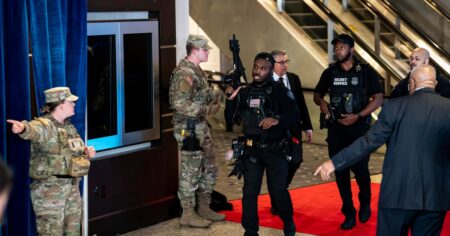
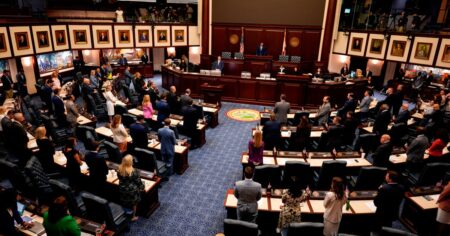
Sunday’s confirmation vote took place against a backdrop of extraordinary circumstances, with the Senate convening for a rare weekend session primarily focused on debating an elections bill that has become a presidential priority. However, even as senators worked through Mullin’s nomination, the Department of Homeland Security itself remains in a state of crisis, effectively shut down due to an ongoing impasse over how to reform the agency’s immigration enforcement operations. This shutdown has created cascading problems throughout the country, most visibly at airports where Transportation Security Administration agents continue working without paychecks, leading to serious staffing shortages. The situation has become so dire that the president announced plans to deploy Immigration and Customs Enforcement agents to airports to assist with security screening—an unprecedented move that highlights the severity of the operational challenges. Meanwhile, a bipartisan group of senators has been working urgently to find a resolution, meeting twice in recent days with border czar Tom Homan as both parties seek common ground on immigration enforcement reform. As Mullin prepares to assume leadership of this troubled agency, he will inherit not only the ongoing shutdown crisis but also the enormous challenge of rebuilding morale among federal employees, restoring public confidence in the department’s operations, and navigating the deeply polarized political environment surrounding immigration policy. His success or failure in these endeavors will likely define both his tenure and the administration’s ability to address one of the most contentious policy areas in American politics today.