


Senators Meet With Border Czar in Push to End Historic Government Shutdown
Breaking the Impasse After Six Weeks of Stalemate
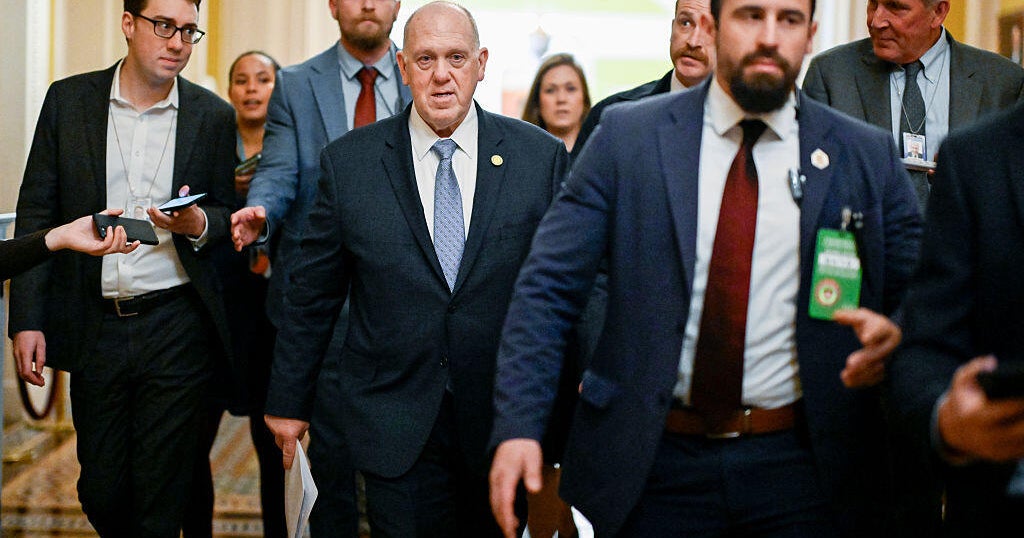
After more than a month of government funding paralysis, a glimmer of hope emerged in Washington as a bipartisan group of senators sat down with border czar Tom Homan on Thursday. The meeting represents the first substantive dialogue in six weeks aimed at resolving the shutdown of the Department of Homeland Security and reforming Immigration and Customs Enforcement operations. Republican Senator Katie Britt of Alabama, who participated in the discussions, emphasized that while this marked an important first step, it was merely a conversation rather than a formal negotiation, with no guarantees of success. However, her cautious optimism reflected a sentiment shared by many that opening lines of communication after such an extended period of silence could pave the way for meaningful progress. The shutdown, which has stretched beyond a month, has left critical government agencies without funding and thousands of federal workers without paychecks, creating mounting pressure on lawmakers from both sides of the aisle to find common ground.
The Complex Political Landscape Behind the Negotiations
The path to Thursday’s meeting has been anything but straightforward, revealing the deep divisions and strategic positioning that have characterized this shutdown from its inception. For weeks, Democrats and the White House have been exchanging proposals, yet the gulf between their positions has remained substantial. Senate Republicans, meanwhile, have been publicly advocating for member-level discussions, arguing that direct engagement between legislators could break through the bureaucratic gridlock. Democrats have responded with skepticism, questioning whether negotiations with Senate Republicans would produce meaningful results without clear signals from the administration that it’s genuinely committed to finding a solution. This dance of distrust and political maneuvering has frustrated many observers who see the human cost of the shutdown mounting daily. The presence of key appropriators at Thursday’s meeting, including Republican Susan Collins of Maine and Democrat Patty Murray of Washington, signals that both parties recognize the seriousness of the situation and the need for experienced negotiators to craft a viable compromise.
The Human Cost: TSA Workers and Airport Chaos
While politicians negotiate behind closed doors, the real-world consequences of the shutdown have become increasingly dire, particularly within the Transportation Security Administration. Hundreds of TSA officers have resigned in recent weeks, unable to continue working without pay as bills pile up and financial pressures mount. This exodus of experienced security personnel has created chaotic conditions at airports across the country, with longer wait times, increased stress on remaining workers, and growing concerns about security vulnerabilities. The situation illustrates the human dimension of political standoffs that can sometimes seem abstract when discussed in terms of policy positions and negotiating strategies. Each departing TSA officer represents a trained professional forced to choose between financial survival and public service, a choice that no government employee should have to make. The ripple effects extend beyond inconvenienced travelers to touch the lives of thousands of federal workers and their families, creating financial hardship and undermining morale within critical government agencies. This humanitarian crisis has amplified calls for resolution, yet partisan divisions have prevented even targeted funding solutions from moving forward.
Partisan Gridlock Over Funding Solutions
The political impasse has manifested in a series of failed attempts by both parties to fund various aspects of government operations. Democrats have proposed passing funding for individual agencies, including the beleaguered TSA, arguing that essential services shouldn’t be held hostage to broader political disagreements. Republicans have blocked these piecemeal approaches, countering with proposals to approve temporary funding for all of the Department of Homeland Security as a comprehensive unit. Democrats have, in turn, rejected these broader temporary measures, creating a circular stalemate where neither side’s preferred approach can gain traction. This mutual obstruction reflects deeper disagreements about negotiating strategy and political leverage, with each party believing that accepting the other’s framework would compromise their position. The result has been continued paralysis even as the consequences of inaction become more severe. Both sides claim to want a resolution, yet both have drawn lines in the sand that make compromise extraordinarily difficult. The question now is whether Thursday’s meeting with Homan represents a genuine shift toward flexibility or simply another theatrical gesture in an ongoing political drama.
Leadership Changes Amid Tragedy and Scrutiny
Adding another layer of complexity to these negotiations is the ongoing transition in DHS leadership, occurring against the backdrop of intense scrutiny following tragic events in Minnesota. The killings of two U.S. citizens in January sparked widespread criticism of federal law enforcement actions and raised serious questions about the agency’s operational protocols and leadership effectiveness. Former DHS Secretary Kristi Noem faced bipartisan condemnation for her handling of the situation, ultimately leading to her replacement. GOP Senator Markwayne Mullin of Oklahoma is expected to be confirmed as the new DHS secretary in the coming days, tasked with rebuilding confidence in the agency while navigating the shutdown crisis. Homan himself was brought in to manage operations in Minnesota following the controversy, and his current role in shutdown negotiations reflects the administration’s recognition that he carries credibility with at least some members of Congress. The leadership shake-up underscores how the shutdown negotiations are occurring within a broader context of institutional crisis and reform demands, making resolution even more complicated as lawmakers seek not just funding agreements but also accountability and structural changes within DHS.
The Clock Is Ticking Toward Recess
As senators departed Thursday’s meeting with Homan, their mixed assessments of progress reflected the challenging road ahead. Senator John Hoeven of North Dakota offered cautious optimism, stating that “we made some progress,” while Senator Murray painted a less rosy picture, acknowledging that the two sides remain “a long ways apart.” These conflicting assessments suggest that while dialogue has resumed, fundamental disagreements persist. The urgency of the situation is heightened by the Senate’s scheduled two-week recess at the end of next week, creating a hard deadline for negotiators. Senate Majority Leader John Thune made clear that the impasse “needs to get resolved by the end of next week,” adding that he couldn’t envision the Senate leaving town with the government still shut down. This self-imposed deadline may provide the pressure needed to force compromises that have proven elusive over the past six weeks. Homan’s own statement upon leaving the meeting was simple and direct: “we need to get the government back open,” a sentiment that few would dispute even as the path to achieving that goal remains uncertain. The coming days will reveal whether Thursday’s meeting marked a genuine turning point or simply another waypoint in a protracted political crisis that has already done significant damage to government operations and public trust in Washington’s ability to govern effectively.