


The Search for Nancy Guthrie: High-Tech Tools and Desperate Hope Enter Third Week
Advanced Technology Joins the Investigation
As the search for 84-year-old Nancy Guthrie enters its third week, law enforcement officials are deploying sophisticated technology in their desperate effort to locate the missing mother of NBC’s “Today” show co-host Savannah Guthrie. Among the most cutting-edge tools being utilized is a specialized device known as a “signal sniffer,” which has been mounted on helicopters flying slowly and at low altitudes over the Tucson, Arizona area. This remarkable piece of equipment is capable of detecting the faint electronic signals emitted by Nancy’s pacemaker, offering investigators a potential breakthrough in a case that has gripped the nation. Signal sniffers represent the intersection of modern medical technology and law enforcement capabilities, as they can pick up low-power electronic transmissions that might otherwise go undetected. The device works by scanning for the specific frequency and pattern of signals that medical devices like pacemakers emit, creating a potential electronic breadcrumb trail that could lead searchers directly to the missing woman. This technology has proven valuable in previous missing person cases, particularly when the individual in question has implanted medical devices, and authorities are hoping it will provide the crucial lead they need to bring Nancy Guthrie home safely.
The Disappearance: A Timeline of Terror
Nancy Guthrie vanished in what authorities believe was an apparent abduction during the early morning hours of February 1st, sending shockwaves through her family and community. The evening had begun ordinarily enough, with Nancy enjoying dinner at her daughter Annie’s home on Saturday, January 31st. Her son-in-law dropped her off at her residence at approximately 9:48 p.m., and surveillance confirmed that her garage door closed just two minutes later, suggesting she had safely entered her home. However, the timeline becomes increasingly disturbing as the night progressed into the early morning hours. At 1:47 a.m., Nancy’s doorbell camera was disconnected—a chilling detail that suggests someone deliberately attempted to disable the home’s security system. Approximately 25 minutes later, at around 2:12 a.m., the camera’s software detected movement or activity, though the exact nature of this detection remains unclear due to the camera’s compromised state. Perhaps most alarming is the fact that Nancy’s pacemaker was disconnected from the monitoring app on her cellphone at 2:28 a.m., suggesting either that the device was physically tampered with or that Nancy was moved to a location where the connection could no longer be maintained. When Nancy failed to appear at church services the following day, concerned friends and family members reported her missing, launching an investigation that has grown increasingly complex and urgent with each passing day.
Crucial Evidence and the Hunt for a Suspect
The FBI has released critical information about a male suspect wanted in connection with Nancy’s disappearance, describing him as approximately 5 feet 9 inches to 5 feet 10 inches tall with an average build. The most revealing evidence comes from chilling footage captured by the Nest doorbell camera at Guthrie’s home before it was disabled, which shows a man wearing a face mask, gloves, and carrying a distinctive black 25-liter Ozark Trail Hiker Pack backpack. Pima County Sheriff Chris Nanos has identified this backpack as one of the most promising leads in the case, noting that it is sold exclusively at Walmart stores. Investigators are meticulously working to identify each piece of clothing and equipment worn by the suspect, and they believe that not only the backpack but also his clothing and face mask were purchased at Walmart, which could potentially help them track down purchase records or surveillance footage from specific store locations. Additionally, a black glove discovered near Guthrie’s home, which appears to match the gloves visible in the surveillance footage, has become a key piece of forensic evidence. The glove has undergone DNA testing, with preliminary results received on Saturday. Once these findings are confirmed, they will be entered into the FBI’s national database for DNA samples—a comprehensive system that stores DNA profiles from individuals with criminal histories and can match unknown samples to identifiable ones. Despite this forensic work and the collection of other DNA samples from Guthrie’s property, investigators have not yet identified a suspect, though Sheriff Nanos remains hopeful that the evidence will eventually lead them to the person responsible for Nancy’s disappearance.
A Family’s Anguish and Public Appeals
The disappearance of Nancy Guthrie has placed her family, particularly her daughter Savannah Guthrie, in an unimaginable situation, balancing between public visibility and private anguish. Savannah, who has been a familiar face to millions of Americans through her role as co-host of NBC’s “Today” show, has used her platform to issue multiple public pleas for her mother’s safe return. In several emotionally charged videos shared across social media platforms, Savannah has opened up about her mother’s fragile health condition, describing both her mother’s heart and overall health as “fragile” and revealing that Nancy “lives in constant pain.” These details take on added urgency given that Nancy has limited mobility and requires daily medication to maintain her health—medications she has now been without for nearly three weeks. The family’s appeals have resonated with people across the country, many of whom have followed Savannah’s career for years and now find themselves deeply invested in the outcome of this heartbreaking situation. The public nature of the case has helped keep Nancy’s disappearance in the spotlight, ensuring that tips and information continue to flow to investigators, but it has also meant that the Guthrie family’s grief and fear have played out on a very public stage, adding another layer of difficulty to an already devastating experience.
The Investigation Intensifies: Rewards and Ransom
Recognizing the urgent need for information that could break the case open, the FBI doubled its reward last week, now offering $100,000 for tips leading to Nancy Guthrie’s location or the arrest and conviction of anyone involved in her disappearance. This substantial reward reflects both the seriousness with which authorities are treating the case and their belief that someone in the public may have critical information that could lead to a resolution. Throughout the investigation, authorities have received numerous tips and communications, but two emails in particular have caught their attention and are being taken seriously. One of these emails appeared to be a ransom note and demanded payment in bitcoin, the cryptocurrency that has become increasingly associated with criminal activity due to its perceived anonymity and difficulty to trace. While authorities have not disclosed the specific demands made in the ransom note or whether the family has been advised to engage with the sender, the existence of such a communication suggests that Nancy’s abduction may have been financially motivated. The use of bitcoin as the demanded payment method indicates a level of technological sophistication on the part of the perpetrator and presents both challenges and opportunities for investigators, who can potentially trace bitcoin transactions through blockchain analysis, though such work is highly technical and time-consuming. The investigation continues to follow multiple leads simultaneously, with law enforcement officials working around the clock to analyze evidence, pursue tips, and employ every available resource to locate Nancy and bring her home safely.
A Community Holds Its Breath
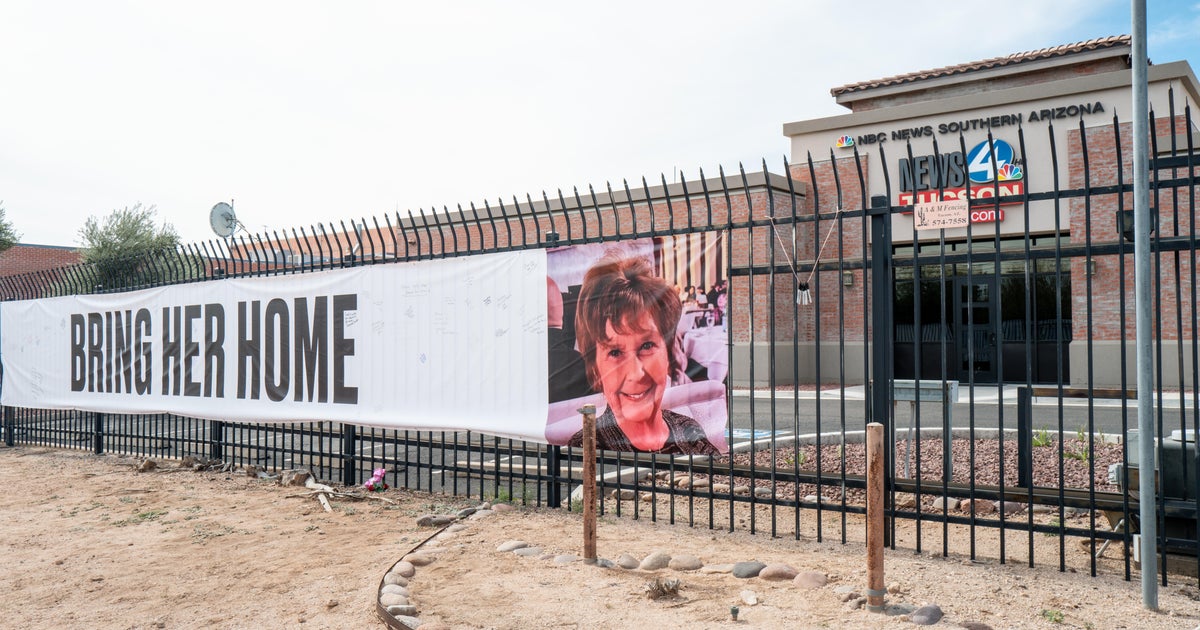
As the search for Nancy Guthrie continues into its third week, the case has become a focal point for discussions about elderly safety, home security, and the vulnerabilities that exist even in seemingly safe communities. The Tucson area, where Nancy lived, has rallied around the Guthrie family, with community members organizing search efforts, distributing flyers, and keeping Nancy’s story alive on social media platforms. The combination of traditional investigative techniques and cutting-edge technology represents law enforcement’s comprehensive approach to solving this case, though each day that passes without Nancy’s recovery adds to the family’s anguish and decreases the likelihood of a positive outcome. The use of the signal sniffer to detect Nancy’s pacemaker represents hope born from modern technology—the idea that even when someone is taken against their will, the medical devices that sustain their life might also serve as beacons leading rescuers to their location. Sheriff Nanos and the FBI continue to urge anyone with information, no matter how insignificant it might seem, to come forward, as even the smallest detail could be the piece that completes the puzzle. As Savannah Guthrie and her family endure this nightmare, they do so with the support of millions who have welcomed Savannah into their homes through her television work and who now hope and pray for Nancy’s safe return. The investigation remains active and ongoing, with authorities refusing to give up hope that they will find Nancy alive and bring those responsible for her disappearance to justice.