

Lindsey Vonn Airlifted to Hospital Following Dramatic Olympic Crash
A Champion’s Dream Turned into a Nightmare
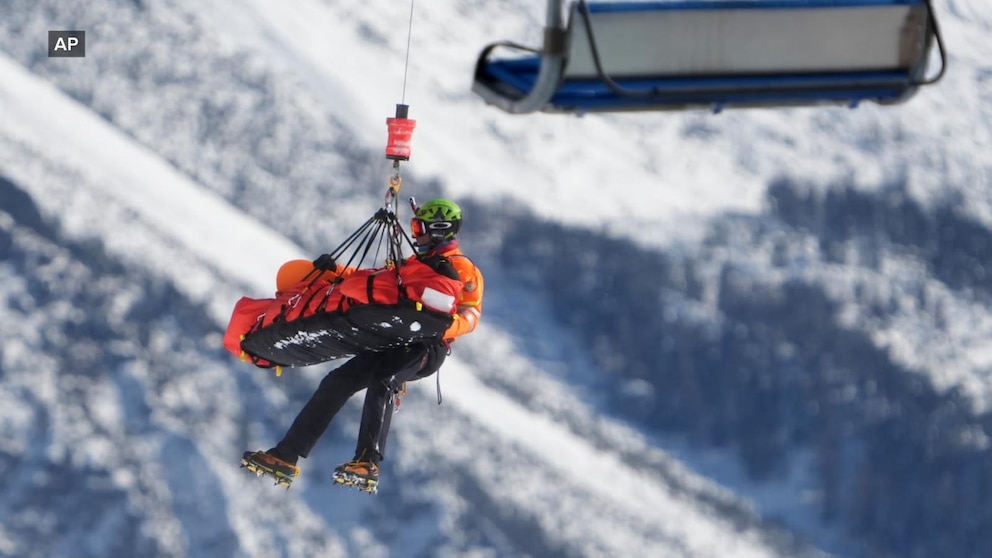
The 2026 Winter Olympics witnessed a heart-stopping moment when American alpine skiing legend Lindsey Vonn suffered a devastating crash during a downhill race on Sunday. The incident, which occurred as Vonn was pursuing her long-cherished Olympic gold medal, sent shockwaves through the skiing community and left fans worldwide holding their breath. The severity of the crash necessitated an immediate airlift to a nearby hospital, with a helicopter rushing the injured athlete away from the slopes. ABC News correspondent Maggie Rulli was on the scene to report on the unfolding drama, capturing the tense moments as medical personnel worked swiftly to attend to one of America’s most decorated winter sports athletes. For Vonn, who has faced numerous setbacks throughout her illustrious career, this latest incident represents yet another painful chapter in her remarkable journey through the world of competitive skiing. The crash not only ended her immediate Olympic hopes but also raised serious questions about her future in the sport she has dominated for years.
The Fateful Descent That Changed Everything
The downhill event where Vonn crashed is considered one of the most dangerous and demanding disciplines in alpine skiing, with competitors reaching speeds exceeding 80 miles per hour as they navigate treacherous terrain, sharp turns, and dramatic elevation changes. On that fateful Sunday, Vonn was charging down the course with the determination and fearlessness that has defined her career, pushing the limits as she always has in her quest for Olympic glory. Witnesses described seeing the American skier attacking the course aggressively, her form impeccable as she carved through the early gates with precision and power. However, somewhere along the challenging descent, something went terribly wrong. Whether it was a momentary loss of control, an equipment malfunction, a misjudgment of the terrain, or simply the cruel randomness that can affect even the most skilled athletes, Vonn found herself careening off course. The subsequent crash was violent enough to immediately halt the competition as medical teams rushed to her aid. Fellow competitors, coaches, and spectators watched in stunned silence as the gravity of the situation became apparent, with many recognizing that this was no ordinary fall but rather a serious incident requiring urgent medical attention.
A Career Defined by Triumph and Adversity
To understand the full impact of this crash, one must appreciate Lindsey Vonn’s extraordinary place in skiing history and the remarkable journey that brought her to this Olympic moment. Throughout her career, Vonn has established herself as one of the greatest alpine skiers of all time, male or female, with a record that speaks to both her exceptional talent and her incredible resilience. She has accumulated numerous World Cup victories, world championship titles, and Olympic medals, becoming a household name and an inspiration to countless young athletes around the world. However, her path to greatness has been anything but smooth. Vonn has endured multiple serious injuries throughout her career, including devastating knee problems that have required several surgeries and lengthy rehabilitation periods. Each time, she has fought her way back to competitive form, displaying a mental toughness that matches her physical abilities. Her determination to continue competing at the highest level, despite the toll these injuries have taken on her body, has earned her admiration from fans and fellow athletes alike. This latest crash is particularly poignant because it occurred during what many believed could be Vonn’s final Olympic appearance, representing perhaps her last realistic chance to capture the elusive gold medal that has remained tantalizingly out of reach despite her many other achievements in the sport.
The Immediate Response and Medical Evacuation
The response to Vonn’s crash demonstrated the sophisticated emergency protocols that are in place at Olympic venues, particularly for high-risk events like downhill skiing. Within moments of the crash, medical personnel were at Vonn’s side, conducting initial assessments and stabilizing her condition on the mountain. The decision to evacuate her by helicopter rather than ground transport indicated the seriousness of her injuries and the need for rapid access to advanced medical facilities. Helicopter evacuations, while not uncommon in alpine skiing competitions, always signal that an athlete’s condition requires urgent specialized care that cannot be adequately provided at the venue’s medical station. As the helicopter lifted off, carrying one of America’s most beloved winter sports figures, the atmosphere at the Olympic venue shifted from one of competitive excitement to somber concern. Officials immediately suspended the competition, allowing other athletes to process what they had witnessed and ensuring that the focus remained on Vonn’s well-being rather than continuing the event. The medical team’s swift and professional response highlighted the ever-present dangers inherent in alpine skiing, a sport that demands athletes push themselves to the absolute limit on courses designed to test the very boundaries of human capability and courage.
The Ripple Effect Across the Olympic Community
News of Vonn’s crash spread rapidly throughout the Olympic village and beyond, with athletes from various countries and sports expressing their support and concern for the American skier. Social media platforms were flooded with messages from fellow Olympians, past skiing champions, and fans from around the world, all hoping for positive news about her condition. The incident served as a stark reminder to everyone involved in the Olympics—athletes, coaches, officials, and spectators—that beyond the pursuit of medals and glory, these are real people putting their bodies and sometimes their lives on the line for their sport and their countries. For the American Olympic team, Vonn’s crash was particularly devastating, as she was not only a medal contender but also a veteran presence and source of inspiration for younger team members. The psychological impact on other American skiers scheduled to compete in upcoming events cannot be underestimated, as they now face the challenge of maintaining their competitive focus while processing the trauma of watching a teammate and friend suffer such a serious accident. The broader skiing community also began reflecting on the inherent risks of the sport and whether enough is being done to protect athletes while still maintaining the competitive integrity and thrilling nature of downhill racing that makes it so captivating to watch.
Looking Ahead: Questions About Recovery and Legacy
As Vonn was being treated at the hospital, questions naturally arose about the severity of her injuries, the expected recovery timeline, and what this means for her future in competitive skiing. While specific details about her condition were not immediately available, the fact that she required helicopter evacuation suggested injuries serious enough to potentially threaten her career, particularly given her history of previous trauma to her body. For an athlete who has already overcome so much and who is competing at an age when most skiers have long since retired, another major injury presents enormous physical and emotional challenges. The skiing world now waits anxiously for updates, hoping that Vonn will recover fully and that this crash will not define the final chapter of her remarkable story. Regardless of what the future holds, Lindsey Vonn’s legacy in the sport is already secure. She has inspired a generation of skiers, broken records that seemed untouchable, and demonstrated that setbacks, no matter how severe, need not be permanent obstacles to achievement. Her influence extends far beyond the slopes, as she has become an advocate for various causes and a role model for perseverance and determination. This latest incident, while tragic in its timing and circumstances, cannot diminish the extraordinary career she has built or the indelible mark she has left on alpine skiing and the Olympic movement as a whole.