
Landon Donovan Opens His Heart: America’s Soccer Legend Reflects on Glory, Struggles, and Redemption
Finding the Courage to Share His Truth
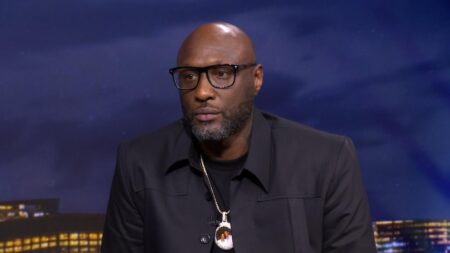
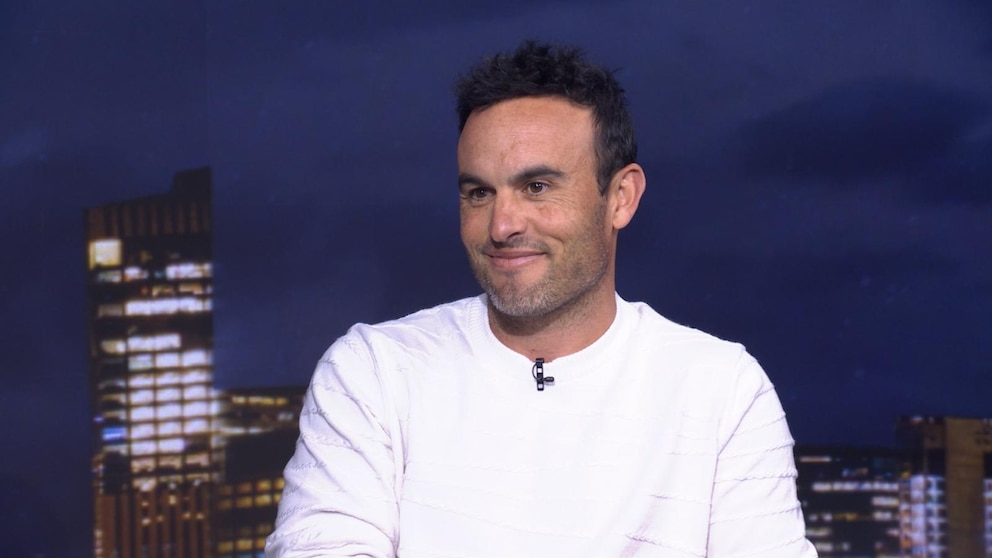
Landon Donovan, widely regarded as one of the greatest soccer players in American history, has spent much of his life in the spotlight, dazzling fans with his skill on the field and carrying the weight of a nation’s soccer dreams on his shoulders. Now, in a candid interview with ABC News’ Stephanie Ramos, the retired soccer icon is opening up about the person behind the jersey in ways he never has before. His new memoir pulls back the curtain on a career that inspired millions while revealing the personal battles that nearly broke him. For Donovan, writing this book wasn’t just about recounting goals scored or trophies won—it was about confronting the demons he’d been running from his entire life and finally speaking his truth about depression, family trauma, and the loneliness that can exist even at the peak of success. The conversation with Ramos revealed a man who has learned that vulnerability isn’t weakness, and that sometimes the bravest thing an athlete can do is admit they’re struggling. In sharing his story, Donovan hopes to reach others who might be fighting similar battles in silence, letting them know they’re not alone.
The Weight of Being America’s Soccer Hope
Donovan’s career statistics read like a highlight reel of American soccer’s coming-of-age story. He became the face of U.S. soccer during a crucial growth period for the sport in America, representing his country in multiple World Cups and becoming the all-time leading scorer for the U.S. Men’s National Team—a record that stood for years as a testament to his consistency and clutch performances. His dramatic goals in World Cup matches created moments that transcended sport, bringing Americans who’d never cared about soccer to their feet in bars, living rooms, and public squares across the country. But as Donovan reveals in his memoir and his conversation with Ramos, carrying that mantle came with an enormous psychological burden that few could truly understand. The pressure to perform, to be the savior every time the national team took the field, to single-handedly legitimize soccer in a country obsessed with other sports—it was relentless and exhausting. Donovan discusses how he felt he couldn’t show weakness or uncertainty, that admitting struggle would somehow let down not just his teammates but an entire generation of young American players looking up to him. The expectations were particularly intense because American soccer was still fighting for respect on the world stage, and every tournament felt like it carried existential weight for the sport’s future in the country. Behind the confident exterior and the celebrations after big goals, Donovan was often drowning in anxiety and self-doubt, questioning whether he was good enough and whether the sacrifices were worth the cost to his mental health.
The Battle With Depression That Nobody Saw
Perhaps the most powerful revelations in Donovan’s memoir center on his long struggle with depression, something he largely hid from the public during his playing career. In his discussion with Stephanie Ramos, Donovan speaks with raw honesty about the darkness that would descend on him, sometimes in the midst of his greatest professional triumphs. He describes periods where getting out of bed felt impossible, where the things that should have brought him joy felt hollow and meaningless, and where he questioned his purpose and worth beyond soccer. The stigma surrounding mental health, especially in the hyper-masculine world of professional sports, made him feel he had to suffer in silence. Teammates and coaches might notice he seemed withdrawn or wasn’t himself, but the culture of toughness meant that admitting depression felt like admitting defeat. Donovan talks about how he would put on a mask, showing up for training and matches while internally falling apart, using soccer itself as both an escape from his pain and a source of additional pressure that fed his anxiety. The turning points came during several sabbaticals from the sport, breaks that confused fans and critics but were essential for his survival. During these periods away from soccer, Donovan began to seriously address his mental health, seeking therapy and finally naming what he’d been experiencing for years. He emphasizes to Ramos that depression doesn’t discriminate—it doesn’t care about your success, fame, or how much money you make. His hope in sharing this part of his story is to break down the barriers that prevent people, especially men and athletes, from seeking help when they’re struggling, and to normalize conversations about mental health in sports culture.
A Complicated Relationship With His Father
Among the most emotionally difficult sections of Donovan’s memoir is his exploration of his relationship with his father, a connection marked by absence, pain, and the long shadow it cast over his life. Donovan opens up to Ramos about growing up without a consistently present father figure, and how that absence shaped his understanding of himself and his relationships throughout his life. The wounds from this relationship ran deep, creating insecurities and abandonment issues that followed him into adulthood and even affected his performance on the field at times. He discusses the complexity of those feelings—the anger at not having the father he needed, the confusion about why he wasn’t enough to make his father stay involved, and the grief for the relationship they never had. For years, Donovan buried these emotions, not fully recognizing how they influenced his decisions, his relationships with coaches and teammates, and his struggles with self-worth. The process of writing the memoir forced him to confront these painful memories directly and to examine how his father’s absence shaped the man and player he became. Donovan is careful to note that sharing this isn’t about assigning blame but about understanding his own story more completely and breaking cycles of pain. He’s since worked toward some form of peace with his past, recognizing that holding onto resentment was only hurting himself. The conversation with Ramos about this topic is particularly moving because you can see how difficult it still is for Donovan to discuss, but also how important it is to him that others who grew up with similar family dynamics know that the pain is valid and that healing is possible, even if the relationship itself cannot be fully repaired.
The Brief But Memorable Feud With David Beckham
In a lighter but still revealing section of the interview, Donovan addresses his well-publicized tension with David Beckham, the global soccer superstar who joined Donovan’s team, the LA Galaxy, in a move that transformed Major League Soccer. The arrival of Beckham brought unprecedented attention to MLS, but it also created an uncomfortable dynamic for Donovan, who had been the face of the franchise and suddenly found himself sharing the spotlight with arguably the most famous soccer player in the world. Donovan candidly admits to Ramos that he handled the situation poorly at times, allowing ego and insecurity to create friction that didn’t need to exist. There were public comments and perceived slights on both sides, with Donovan at one point questioning Beckham’s commitment to the team, remarks that created headlines and divided fans. Looking back with the perspective that only time and maturity can provide, Donovan acknowledges that much of his reaction came from a place of feeling threatened and undervalued rather than from any real issue with Beckham as a person or teammate. He discusses how they eventually worked through their differences and developed mutual respect, with both players recognizing that they were better together than apart. The experience taught Donovan important lessons about leadership, about how to handle his ego, and about the difference between being a star and being a true team player. His reflections on the Beckham situation show significant personal growth and self-awareness, and his willingness to admit he was wrong demonstrates the kind of maturity that wasn’t always evident during his playing days. The feud, which seemed so significant at the time, now serves as an example in Donovan’s life of how perspective changes and how what feels like a major conflict in the moment can become a valuable learning experience.
Life After Soccer and the Lessons That Matter Most
As Donovan reflects on his journey with Stephanie Ramos, the conversation naturally turns to what he’s learned and how retirement has changed his perspective on everything he experienced. Life after professional soccer has given Donovan the space to process his career, to work on his mental health without the constant pressure of performance, and to figure out who he is beyond the identity of being a soccer player. He talks about the challenge of that transition, how athletes often struggle when the thing that defined them for their entire lives suddenly ends, and how he’s working to build a life and identity that feels fulfilling and authentic. Donovan has remained involved in soccer in various capacities, but he’s also focused on being present for his family in ways his career didn’t always allow and on using his platform to advocate for mental health awareness. The memoir, he tells Ramos, was part of that healing process—a way to make sense of everything, to own his story in full, and to hopefully help others who might see themselves in his struggles. Throughout the interview, what comes through most powerfully is Donovan’s hard-won wisdom about what actually matters in life. The goals, the trophies, the records—they’re wonderful and he’s proud of them, but they don’t define his worth as a person. The real victories, he’s learned, are in the daily work of showing up for yourself and others, in being honest about your struggles, in seeking help when you need it, and in building authentic connections with the people who matter most. For young athletes looking up to him, his message is clear: take care of your mental health, don’t be afraid to ask for help, understand that you are more than your sport, and know that it’s okay to not be okay sometimes. Landon Donovan’s memoir and his conversation with ABC News represent more than just a look back at a Hall of Fame career—they’re an invitation to a more honest, human conversation about the cost of greatness and the courage it takes to be vulnerable.