
Ukrainian Olympian Disqualified Over Tribute Helmet Sparks International Controversy
A Stand for Remembrance at the Winter Olympics
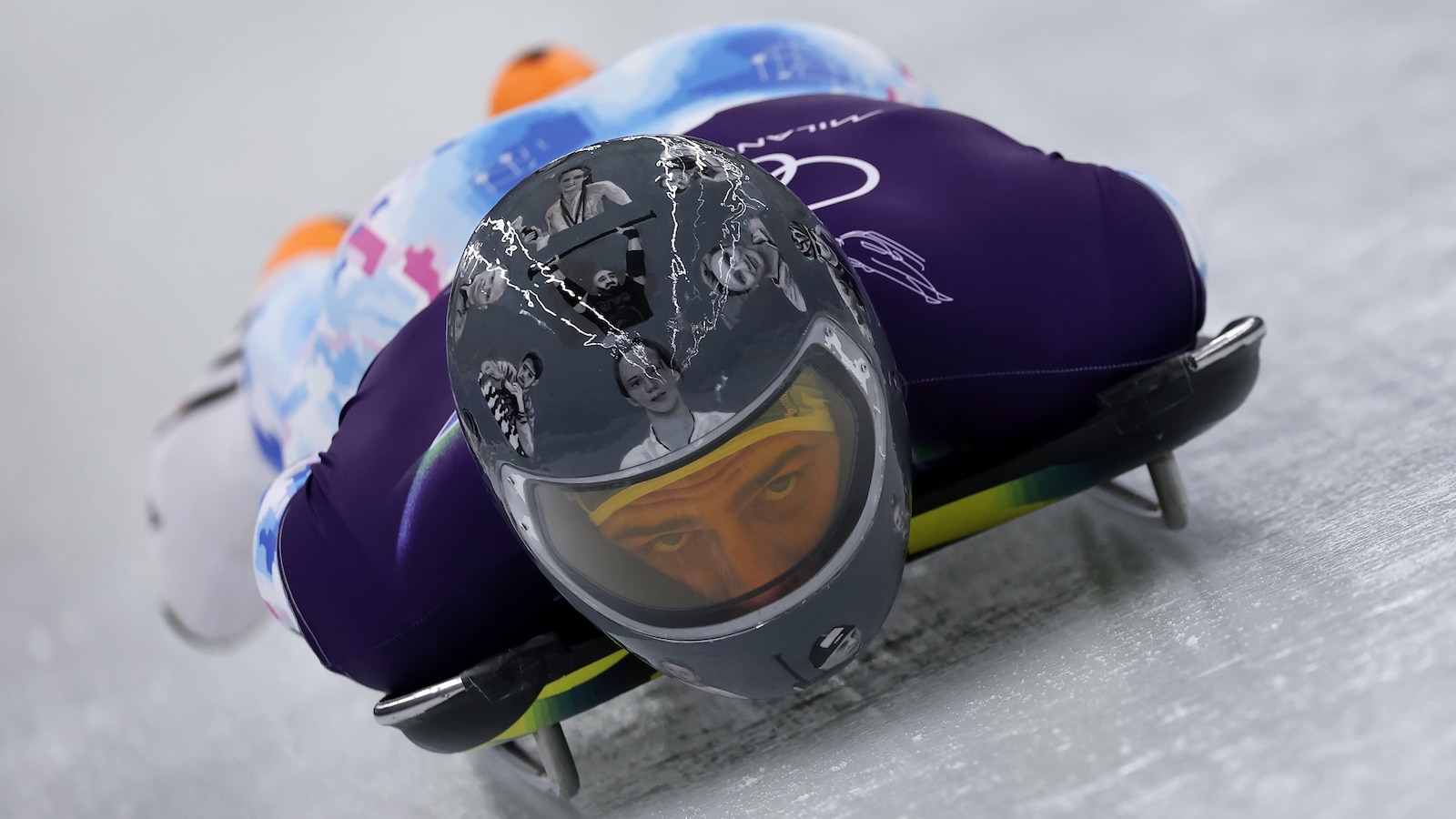
The 2026 Winter Olympics in Milano Cortina became the center of an international controversy when Ukrainian skeleton racer Vladyslav Heraskevych was disqualified and stripped of his accreditation for refusing to remove a specially decorated “helmet of remembrance.” The helmet, which bore images of Ukrainian athletes and citizens killed during the ongoing war with Russia, was meant as a powerful tribute to those who lost their lives in the conflict that has devastated his homeland. Heraskevych, who had been considered a medal contender and had proudly served as Ukraine’s flag bearer during the opening ceremonies just days earlier, received the devastating news on Thursday morning, mere hours before he was scheduled to compete in the men’s skeleton event. The decision by the International Olympic Committee (IOC) came after multiple attempts to find a compromise with the determined athlete, who stood firm in his belief that honoring the fallen was more important than his personal Olympic dreams. The incident has raised profound questions about the balance between athletic competition, political expression, and the fundamental right to remember those lost in conflict.
The IOC’s Position and Attempted Compromises
The International Olympic Committee explained that their decision to withdraw Heraskevych’s accreditation was made “with regret” and only after exhausting all attempts to reach a compromise with the Ukrainian athlete. According to IOC officials, the organization was eager for Heraskevych to compete and held multiple meetings with him to explore respectful alternatives that would allow him to honor his fallen compatriots while still adhering to Olympic regulations. The IOC emphasized that their objection was not about the message itself or the worthiness of remembering those killed in Ukraine, but rather about where and when such expressions could be displayed. Olympic organizers pointed out that Heraskevych had been permitted to display his memorial helmet during all training runs and offered him the opportunity to showcase it immediately after competition when passing through the mixed media zone. They also proposed alternative solutions, including wearing a black armband or black ribbon during competition as a temporary compromise. However, Heraskevych rejected these alternatives, firmly believing that the tribute needed to be visible during the actual competition to have meaningful impact. IOC President Kirsty Coventry, visibly emotional when discussing the decision with reporters, stressed that the issue centered on “rules and regulations” rather than the message itself, explaining that the field of play must remain a “safe environment for everyone,” which necessitates restrictions on all messaging during competition.
Heraskevych’s Defiant Response and Allegations of Inconsistency
Following his disqualification, Vladyslav Heraskevych remained resolute in his conviction that he had not violated any Olympic rules and expressed deep frustration with what he perceived as inconsistent application of IOC guidelines on athlete expression. During his statements to the press, Heraskevych directly challenged the IOC’s decision-making process, stating, “I believe we didn’t violate any rules. I see big inconsistencies in decisions, in the wording, in the press conferences of the IOC, and I believe it’s the biggest problem that it’s inconsistent.” The Ukrainian athlete went further, accusing the Olympic committee of discriminatory treatment, pointing to examples of other athletes who he claimed had engaged in forms of self-expression without facing similar consequences. Specifically, Heraskevych mentioned a U.S. figure skater, a Canadian freeskier, and an Israeli skeleton athlete who he said had expressed themselves without repercussions, questioning why he, as a Ukrainian athlete, faced disqualification when others seemingly did not. This allegation of selective enforcement has added another layer of complexity to an already contentious situation, raising concerns about whether the IOC applies its rules uniformly across all nations and situations or whether political considerations influence enforcement decisions. Despite his disqualification from the Milano Cortina Games, Heraskevych made clear that his fight was far from over, stating emphatically, “I believe we need to continue to fight for our rights,” signaling his intention to challenge the decision through official appeals processes.
International Reaction and Ukraine’s Response
The disqualification of Vladyslav Heraskevych sparked immediate and strong reactions from Ukrainian government officials, who condemned the IOC’s decision as shameful and unjust. Ukraine’s Minister of Foreign Affairs, Andrii Sybiha, issued a particularly scathing statement declaring that “future generations will recall this as a moment of shame,” emphasizing that Heraskevych’s intention was simply to commemorate fellow athletes who had been killed in war—an act that should not violate any rules or ethical standards. Sybiha’s statement went beyond criticizing the specific decision, accusing the IOC of intimidating and disrespecting not only Heraskevych but Ukrainians more broadly, and even suggesting that Olympic officials had lectured them about staying quiet regarding what the IOC allegedly characterized as merely “one of 130 conflicts in the world.” This characterization, if accurate, particularly angered Ukrainian officials and supporters, as it seemed to diminish the significance and unique brutality of Russia’s invasion of Ukraine, which has resulted in tens of thousands of deaths, massive displacement of civilians, and what many international observers have documented as potential war crimes and crimes against humanity. The Ukrainian response reflects a broader frustration with what they perceive as the international community’s gradual normalization of the conflict, treating Russia’s aggression as just another regional dispute rather than a fundamental challenge to international law and territorial sovereignty that has had devastating humanitarian consequences for millions of people.
The Appeal Process and Continuing Battle
Undeterred by his disqualification, Vladyslav Heraskevych immediately moved forward with plans to appeal the IOC’s decision, with a formal hearing scheduled for Friday morning at 9 a.m. local Milan time. Speaking at a press conference held at the Ukrainian Embassy in Milan on Thursday evening, Heraskevych reiterated his position that he had not violated any Olympic regulations and that this conviction formed the foundation of his appeal. The athlete’s determination to challenge the ruling, even knowing that the competition would be long over by the time any appeal was resolved, demonstrates that for him, the principle at stake transcends personal athletic achievement or medal aspirations. During the press conference, Heraskevych also revealed that while he had not spoken directly with Ukrainian President Volodymyr Zelenskyy about the situation, he drew strength and inspiration from the president’s example, stating, “it’s because of him I will be standing strong still.” This reference to Zelenskyy, who has become an international symbol of Ukrainian resistance and resilience in the face of Russian aggression, suggests that Heraskevych views his stand at the Olympics as part of the larger Ukrainian struggle to maintain dignity, identity, and the right to remember their losses even in international forums that prefer political neutrality. The appeal represents not just one athlete’s quest for vindication, but has become a symbolic battleground over whether international sporting bodies can or should accommodate expressions of remembrance for those suffering from ongoing conflicts.
Broader Implications for Olympic Neutrality and Athletic Expression
The controversy surrounding Vladyslav Heraskevych’s memorial helmet raises fundamental questions about the Olympic ideal of political neutrality and the extent to which athletes should be permitted to express themselves on issues of profound personal and national significance. The Olympic Charter has long maintained that the Games should be separate from political conflicts, with the field of play serving as neutral ground where athletes from all nations can compete based solely on athletic merit. However, critics of this approach argue that enforcing strict neutrality in the face of clear aggression and humanitarian catastrophe effectively favors perpetrators by silencing victims and preventing them from bearing witness to their suffering. The IOC’s position that Heraskevych could display his helmet before and after competition, but not during it, represents an attempt to balance these competing interests—acknowledging the athlete’s right to expression while maintaining the sanctity of competition itself. Yet this compromise satisfied neither side: the IOC ultimately felt compelled to disqualify Heraskevych when he refused to accept it, while the athlete and his supporters viewed the restriction as an unjust limitation on fundamental human expression. The incident also highlights the evolving conversation around athlete activism and expression in international sports, with younger athletes increasingly viewing their platforms as opportunities to advocate for social justice and humanitarian causes rather than simply showcasing athletic prowess. As international conflicts continue and potentially intensify, sporting organizations will likely face more such challenges, forcing them to reconsider whether absolute neutrality is truly achievable or even desirable when confronting issues of basic human rights and dignity. The resolution of Heraskevych’s appeal and the broader discussion it generates may help shape how future Olympics navigate these complex intersections of sport, politics, memory, and justice.