


Starbucks Brews Up a Comeback: New International Menu Aims to Revive Customer Traffic
A Fresh Start for the Coffee Giant
Starbucks is pulling out all the stops to bring customers back through its doors, and the latest move involves a globally-inspired menu makeover that hit stores this week. On Monday, the iconic coffee chain introduced a collection of new food and beverage items that draw inspiration from international flavors, representing yet another strategic step in CEO Brian Niccol’s ambitious “Back to Starbucks” initiative. This turnaround plan has been underway for a full year now, and it’s specifically designed to reverse what had been a troubling pattern of declining sales at physical store locations quarter after quarter. The good news? The effort appears to be gaining traction. When Starbucks released its financial results on January 28th, the company revealed that same-store sales had climbed 4% during the most recent quarter—a welcome sign that the strategy might actually be working. The February menu additions showcase the company’s commitment to keeping things fresh and exciting, featuring six new bakery items that include innovative takes on loaves, tarts, and croissants, alongside a new dark roast coffee option. To sweeten the deal even further, Starbucks also rolled out two fruit-flavored matcha beverages last week as part of its Valentine’s Day celebration, and unlike many limited-time offerings, these drinks will stick around permanently on the menu.
Listening to What Customers Really Want
At the heart of this menu transformation is a simple but powerful principle: actually listening to what customers are saying. Speaking at the company’s investor day on January 29th, Niccol made it clear that customer feedback drove these changes. “Customers told me that our menu needed to feel more relevant,” he explained, acknowledging that the coffee giant needed to better align its offerings with what people actually wanted to order and experience. This customer-centric approach represents a significant shift in how Starbucks is thinking about its business. Rather than simply pushing out products the company thinks will sell, they’re taking the time to understand what’s missing from the customer experience and addressing those gaps directly. The new internationally-inspired items reflect this philosophy perfectly—they’re designed to bring a sense of adventure and novelty to the everyday coffee run, offering flavors and combinations that customers might have encountered during travels abroad or seen trending on social media. It’s about making the Starbucks experience feel special again, rather than just another routine transaction.
A Complete Overhaul of the Starbucks Experience
The new menu items are just one piece of a much larger puzzle in Niccol’s comprehensive turnaround strategy. Since taking the helm, he’s been working to transform virtually every aspect of the Starbucks customer experience, tackling pain points that had been driving customers away. One of the most popular changes came when the company eliminated the extra charge for non-dairy milk alternatives—a move that was celebrated by customers who had been paying premium prices for options like oat, almond, or soy milk. The company has also been working to bring back personal touches that made Starbucks feel special in its earlier days, including the return of hand-written notes on coffee cups that add a human element to each order. Even employee appearance has been reconsidered, with the introduction of a new dress code designed to help improve the overall image of the brand and create a more cohesive, professional atmosphere. Last month brought another significant change with the revamping of Starbucks’ loyalty program, which now operates on a three-tier system where more dedicated customers can access increasingly valuable benefits and rewards. These changes collectively signal that Starbucks is serious about recreating the premium coffee shop experience that originally made it famous.
The New Menu Lineup: A World Tour in Your Cup
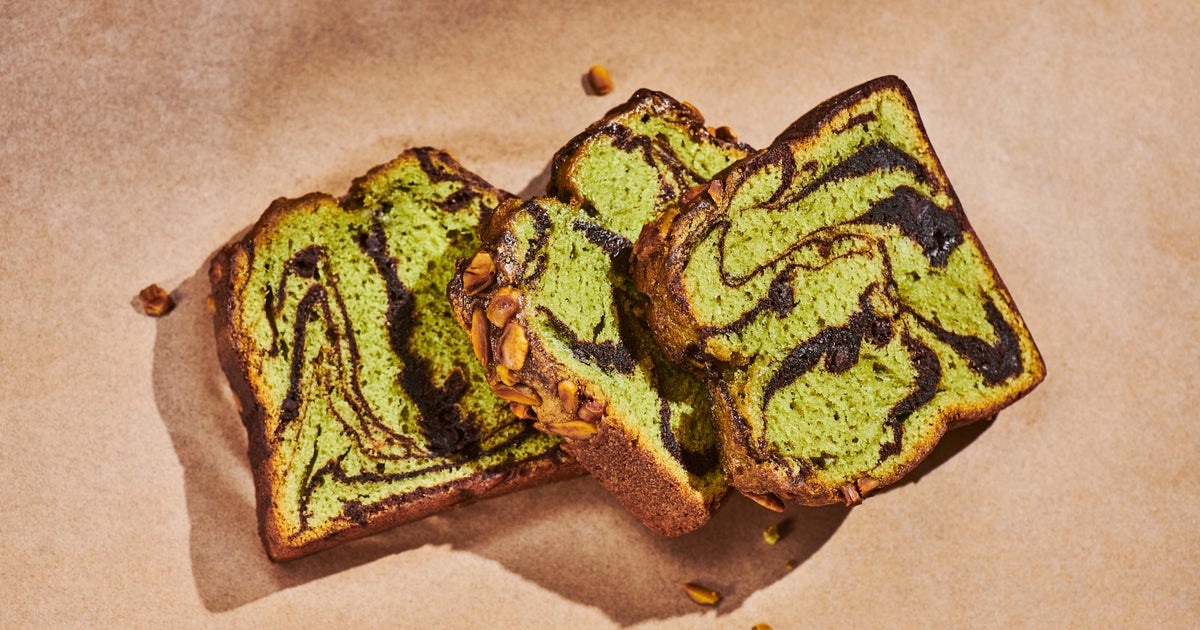
The specific items joining the Starbucks menu read like a culinary passport, offering customers a taste of global flavors without leaving their neighborhood. The Dubai chocolate bite brings Middle Eastern-inspired indulgence to the pastry case, while the cookie croissant swirl combines two beloved treats into one irresistible package. For those seeking fruity freshness, the berry blondie and strawberry matcha loaf offer lighter options that still satisfy sweet cravings. The yuzu citrus blossom introduces customers to the distinctive Japanese citrus fruit that’s been gaining popularity in Western cuisine, while the chocolate pistachio loaf combines rich cocoa with the sophisticated nuttiness of pistachios. Coffee purists haven’t been forgotten either—the new 1971 Roast, named for the year Starbucks was founded, brings a new dark roast option to the coffee lineup, offering a bolder, more traditional coffee experience. The matcha beverages represent particularly interesting additions, with the iced double berry matcha and iced banana bread matcha transforming the trendy green tea powder into creative drink formats that appeal to younger, more adventurous customers. By making these Valentine’s Day introductions permanent menu fixtures, Starbucks is betting that these flavors have lasting appeal beyond just seasonal interest.
Part of a Broader Menu Strategy
This February menu refresh isn’t happening in isolation—it’s part of an ongoing effort by Starbucks to keep its food and beverage lineup feeling current and exciting. Over the past year, the company has introduced several menu updates, including protein-packed lattes that cater to health-conscious customers looking for functional beverages, and an expanded fall menu that capitalized on the seasonal excitement that traditionally drives strong sales for the chain. But the strategy hasn’t just been about adding new items; it’s also involved some tough decisions about what to remove. Last February, Starbucks trimmed underperforming items from its menu in what the company described as a streamlining effort designed to help stores operate more efficiently and respond more quickly to changing consumer preferences. This two-pronged approach—adding innovative new options while cutting products that aren’t connecting with customers—represents a more disciplined, data-driven approach to menu management. It acknowledges that in today’s competitive food and beverage landscape, you can’t just keep piling on new items without considering operational complexity and whether each product truly earns its place on the menu.
Building a Foundation for Long-Term Success
Looking beyond the immediate boost from new menu items and program changes, Niccol’s vision for Starbucks is about creating sustainable, long-term growth rather than just quick fixes. “It became really clear to me that to turn this business around and build a platform for long-term growth, we had to change the way our business ran and the fundamentals of how we worked,” he explained at the investor day, revealing the depth of transformation happening behind the scenes. This has included some difficult decisions, such as the announcement last September that the company would close certain stores with weak financial performance—a necessary move to strengthen the overall health of the business. The comprehensive nature of these changes suggests that Starbucks recognizes it can’t rely solely on its established brand reputation to drive traffic anymore. In an era where customers have countless options for coffee and quick meals, with competition ranging from independent coffee shops to fast-food chains expanding their beverage programs, Starbucks needs to actively earn customer loyalty every single day. The early results from these efforts are encouraging, with that 4% same-store sales increase suggesting that customers are responding positively to the changes. Whether this momentum can be sustained will depend on Starbucks’ ability to continue innovating, listening to customer feedback, and delivering the kind of experience that makes people choose to visit a Starbucks location rather than grabbing coffee somewhere more convenient or less expensive. For now, though, the coffee giant seems to have found a recipe that’s working—and it involves equal parts international inspiration, customer focus, and operational excellence.