
Stephen A. Smith Weighs In: Florida’s Attorney General Takes Aim at the NFL Over Diversity Initiatives
The Controversy Unfolds
In a development that has sent shockwaves through both the sports world and political arena, Florida Attorney General Ashley Moody has set her sights on the National Football League, challenging the organization’s diversity, equity, and inclusion (DEI) programs. This bold move has sparked intense debate across the nation, and few voices have been as prominent in the discussion as ESPN’s Stephen A. Smith, one of sports media’s most influential commentators. The situation represents a collision between state politics and professional sports that extends far beyond the football field, touching on fundamental questions about hiring practices, equal opportunity, and the role of government oversight in private organizations.
The controversy centers on the NFL’s long-standing efforts to increase diversity in coaching and front-office positions through various initiatives, including the Rooney Rule and other DEI programs. These programs were implemented after years of criticism regarding the lack of minority representation in key leadership roles throughout the league. Attorney General Moody’s challenge to these programs comes amid a broader national conversation about DEI initiatives in both public and private sectors, with some viewing them as necessary corrective measures while others see them as potentially discriminatory in their own right. The timing of this legal action is particularly significant, occurring in a climate where several states have moved to restrict or eliminate DEI programs in public institutions, now extending that scrutiny to major private organizations like the NFL.
Stephen A. Smith’s Passionate Response
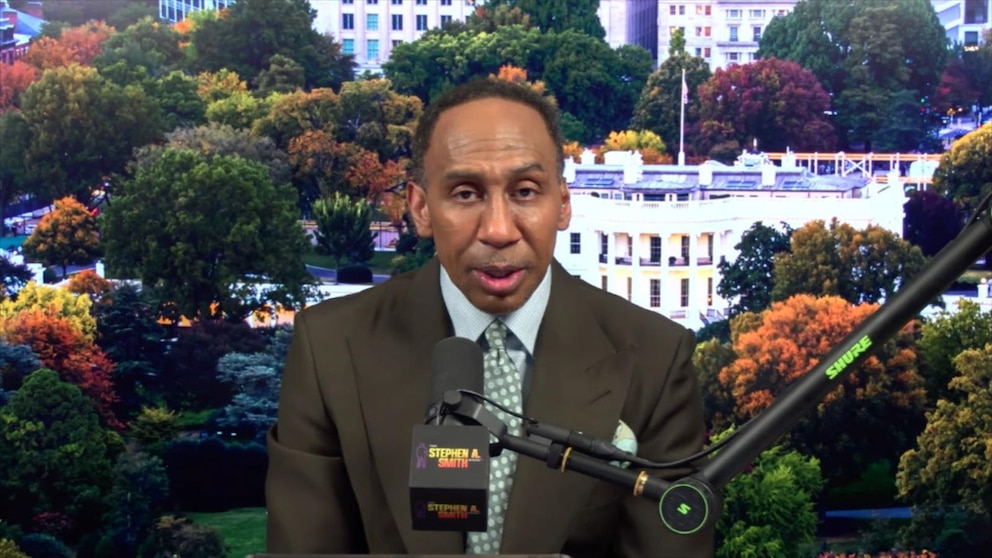
Stephen A. Smith, known for his fiery commentary and willingness to tackle controversial subjects head-on, has not remained silent on this issue. As one of the most recognizable African American voices in sports media, Smith brings a unique perspective that combines his deep knowledge of the sports industry with his lived experience as a Black man in America. His response to Florida’s attorney general has been characteristically forceful and nuanced, reflecting both his understanding of the historical context that made DEI initiatives necessary and his commitment to merit-based evaluation in professional sports.
Smith has emphasized throughout his commentary that the NFL’s diversity initiatives didn’t emerge in a vacuum but were direct responses to documented patterns of inequality in hiring and promotion practices. He has pointed to the statistical reality that while the majority of NFL players are African American, coaching staffs, front offices, and ownership groups have historically been overwhelmingly white. This disparity, Smith argues, wasn’t the result of any lack of qualified minority candidates but rather reflected systemic barriers that prevented talented individuals from accessing opportunities. The television personality has been quick to remind his audience that the Rooney Rule and similar programs weren’t about mandating specific outcomes but about ensuring that qualified minority candidates received genuine consideration for positions they might otherwise never have been interviewed for.
In his characteristic style, Smith has also addressed what he sees as the political motivations behind Attorney General Moody’s actions. He has questioned whether this legal challenge truly serves the interests of fairness and equality or whether it represents a political calculation designed to appeal to certain constituencies. Smith has expressed concern that attacking DEI programs without proposing meaningful alternatives to address documented disparities simply maintains the status quo, which many believe has been fundamentally unfair. His commentary has highlighted the irony that the NFL, an organization that has generated billions of dollars in revenue substantially through the talents of Black athletes, has struggled to extend similar opportunities to Black coaches and executives without formal programs to encourage such diversity.
The Broader Implications for Professional Sports
The confrontation between Florida’s attorney general and the NFL represents more than just a legal dispute—it signals a potential turning point in how professional sports organizations approach diversity and inclusion. If legal challenges to DEI programs succeed, the ripple effects could extend throughout the sports world and beyond, potentially affecting how teams recruit, hire, and promote personnel at all levels. Stephen A. Smith has been particularly vocal about what he views as the potential consequences of dismantling these programs without addressing the underlying issues they were designed to solve.
Smith has pointed out that the NFL’s diversity initiatives have produced tangible results, increasing the number of minority coaches and executives, though admittedly not to levels that reflect the league’s player demographics. He has shared examples of talented coaches and front-office personnel who might never have gotten their first opportunities without policies that encouraged teams to broaden their candidate searches. These success stories, Smith argues, demonstrate that the problem was never a shortage of qualified minority candidates but rather a failure of traditional hiring processes to identify and consider them fairly.
The debate has also raised fundamental questions about how we measure fairness and opportunity in professional settings. Critics of DEI programs argue that any consideration of race or ethnicity in hiring decisions, even when designed to promote diversity, constitutes discrimination. Supporters counter that without intentional efforts to counteract historical patterns of exclusion, those patterns will simply continue. Smith has navigated this complex terrain by emphasizing that diversity programs should never mean hiring unqualified candidates but should ensure that all qualified candidates receive genuine consideration regardless of their background. He has stressed that in a truly meritocratic system, the diversity of the NFL’s player personnel should be roughly reflected in its coaching and executive ranks, and the fact that it isn’t suggests that something other than pure merit has been driving hiring decisions.
The Political Dimension
Stephen A. Smith has not shied away from addressing the political aspects of this controversy, noting that the timing and nature of Attorney General Moody’s challenge align with broader conservative movements against DEI programs nationwide. Several Republican-led states have passed legislation restricting or eliminating diversity programs in public universities and government agencies, and this action against the NFL appears to extend that campaign into the private sector. Smith has questioned whether these political efforts genuinely aim to promote colorblind fairness or whether they serve other agendas that may ultimately harm minority communities who have historically faced systemic barriers to opportunity.
The commentator has been particularly critical of what he perceives as a disconnect between rhetoric and reality in these debates. While opponents of DEI programs often frame their position in terms of fairness and merit, Smith has challenged them to explain why, if hiring was truly based solely on merit before these programs existed, the NFL’s coaching and executive ranks were so dramatically less diverse than its player rosters. He has argued that appeals to “merit” can sometimes serve as cover for maintaining traditional power structures and that genuine commitment to merit-based evaluation should welcome diversity as evidence that opportunities are truly being extended based on talent rather than familiarity or connections.
What’s at Stake for the NFL and Beyond
For the NFL, this legal challenge presents both practical and philosophical dilemmas. The league has invested significant resources and institutional credibility in its diversity initiatives, positioning itself as a leader in addressing racial equity issues in professional sports. A successful legal challenge could force the organization to abandon or significantly modify these programs, potentially damaging relationships with players, many of whom have been vocal advocates for increased diversity in coaching and leadership positions. Stephen A. Smith has highlighted this tension, noting that the NFL cannot afford to ignore the perspectives of its predominantly Black player workforce, many of whom see diversity programs as essential to creating pathways for Black coaches and executives.
Beyond the immediate impact on the NFL, this case could set precedents affecting how all professional sports leagues, and potentially corporations more broadly, approach diversity and inclusion. If Attorney General Moody succeeds in her challenge, other states might follow with similar actions, creating a patchwork of legal requirements and restrictions that could complicate how national organizations manage their hiring practices. Smith has warned that such an outcome could lead to a chilling effect, where organizations abandon diversity efforts not because they’re ineffective or unnecessary but simply to avoid legal exposure, potentially reversing years of progress toward more equitable representation.
Moving Forward: Finding Common Ground
In his commentary on this controversy, Stephen A. Smith has attempted to articulate a path forward that acknowledges legitimate concerns on multiple sides of the debate while remaining committed to the fundamental goal of equal opportunity. He has suggested that conversations about diversity programs should focus less on rigid ideological positions and more on practical outcomes—are qualified people of all backgrounds getting fair opportunities, and are organizations genuinely committed to identifying and developing talent regardless of race or ethnicity?
Smith has also emphasized the importance of understanding history and context in these discussions. The NFL’s diversity initiatives didn’t emerge because someone arbitrarily decided to inject racial considerations into hiring decisions; they developed as responses to documented patterns of exclusion and inequality. Any serious discussion about potentially modifying or eliminating these programs, Smith argues, must grapple with that history and propose concrete alternatives that would address the same concerns. Simply attacking DEI programs without acknowledging the problems they were designed to solve, he contends, is intellectually dishonest and unlikely to produce better outcomes.
The controversy surrounding Florida’s attorney general and the NFL’s diversity programs ultimately reflects broader national tensions about how America should address its complicated history with race and inequality. Stephen A. Smith’s commentary has provided a valuable perspective in these debates, combining his expertise in sports with his willingness to engage difficult questions about fairness, opportunity, and justice. As this legal challenge proceeds, it will undoubtedly continue to generate passionate responses from all sides, but Smith’s voice reminds us that beneath the political rhetoric and legal arguments are real people whose opportunities and careers hang in the balance. Whether one agrees with diversity programs or not, his insistence on keeping the conversation focused on actual outcomes and genuine fairness rather than abstract principles represents an important contribution to a debate that will likely shape professional sports and American society for years to come.