


Super Bowl LX’s Most Memorable Commercials: A Star-Studded Showcase
The Off-Field Spectacle Rivals the Game Itself
When the New England Patriots squared off against the Seattle Seahawks in Super Bowl LX, football fans weren’t just glued to their screens for the on-field action. As has become tradition over the years, the commercial breaks proved to be just as entertaining as the game itself, delivering a dazzling array of celebrity-packed advertisements that had viewers laughing, singing along, and buzzing on social media. This year’s lineup didn’t disappoint, featuring an impressive roster of A-list celebrities from the worlds of music, film, and television. From pop icons to Oscar winners, the advertising world pulled out all the stops to capture America’s attention during the most-watched television event of the year. Companies invested millions not just in airtime but in creating memorable moments that would resonate long after the final whistle blew.
The commercials showcased during Super Bowl LX demonstrated that advertisers understand the importance of star power and entertainment value when competing for viewer attention. These weren’t just product pitches – they were mini-productions designed to entertain, surprise, and delight audiences who have come to expect nothing less than spectacular during the Big Game. The combination of beloved celebrities, clever concepts, and generous production budgets resulted in advertisements that felt more like entertainment than marketing, blurring the line between content and commerce in ways that only the Super Bowl can achieve.
T-Mobile Brings the Boys Back with a Times Square Surprise
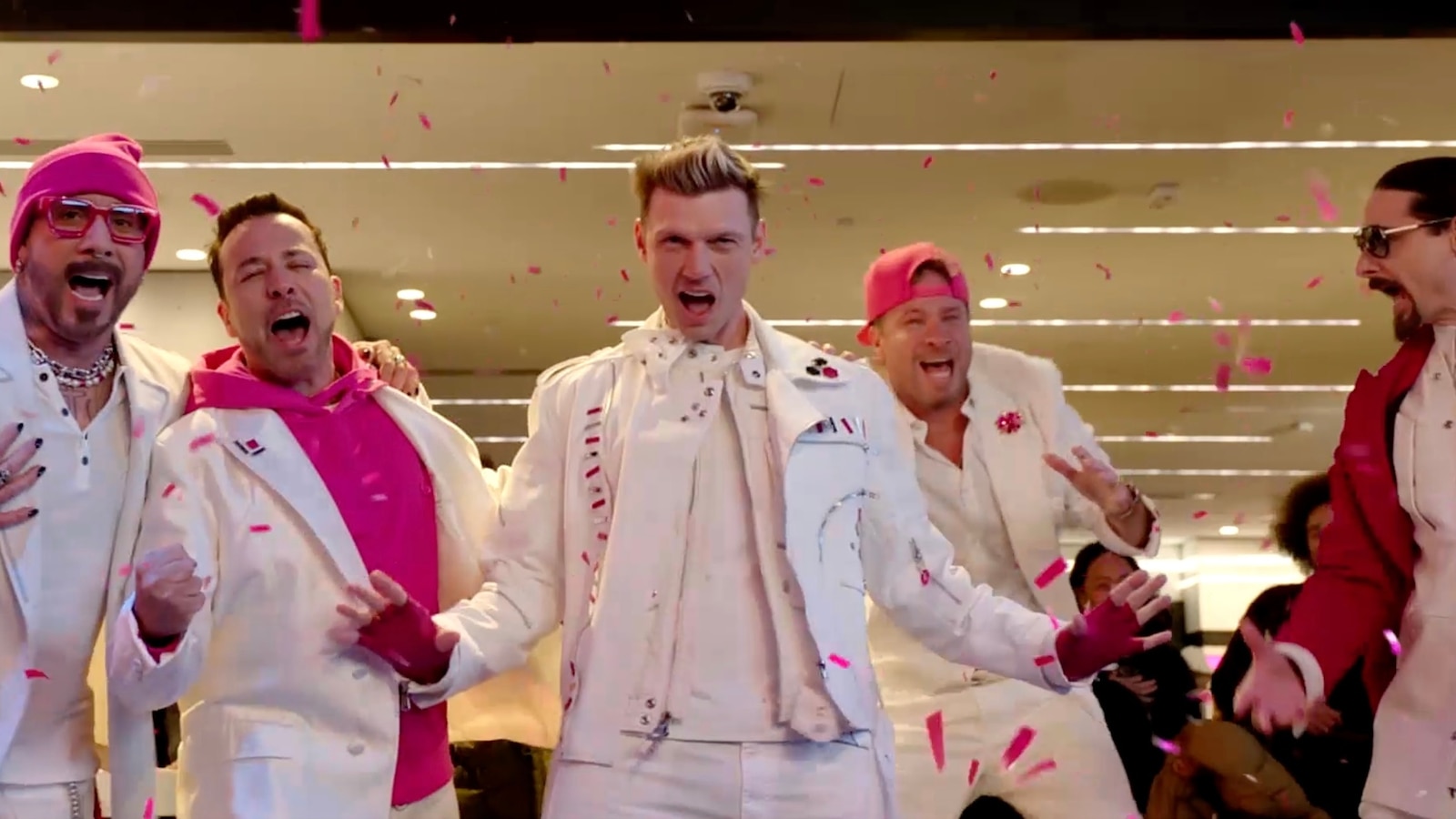
One of the standout commercials of the evening came from T-Mobile, which orchestrated an unforgettable surprise for unsuspecting customers in the heart of New York City. The telecommunications giant partnered with the legendary Backstreet Boys, bringing the iconic boy band to a Times Square retail store where actual T-Mobile customers were going about their regular business. The genuine shock and delight on customers’ faces as they realized they were in the presence of pop royalty made for compelling viewing, tapping into the nostalgia that the Backstreet Boys have represented for millions of fans since the 1990s.
The commercial brilliantly captured the intersection of celebrity culture and everyday life, showing how brands can create magical moments that transcend traditional advertising. But T-Mobile didn’t stop there – they added an additional layer of star power with a special cameo from Machine Gun Kelly, bridging the gap between different musical generations and broadening the appeal of the spot. This multi-generational approach to celebrity casting demonstrated smart marketing strategy, ensuring the ad resonated with viewers across different age demographics. Whether you were a teenager when “I Want It That Way” dominated the charts or you’re more familiar with MGK’s contemporary hits, this commercial had something to offer, creating a shared cultural moment that perfectly embodies what Super Bowl advertising aims to achieve.
Hollywood Heavyweights Debate Food and Football for Uber Eats
Uber Eats brought considerable star power to their second-quarter Super Bowl commercial by featuring two of Hollywood’s most charismatic leading men: Matthew McConaughey and Bradley Cooper. The ad presented a hilariously absurd premise – a debate over whether football was actually invented solely as a vehicle to sell food. This meta-commentary on Super Bowl advertising itself demonstrated the self-aware humor that has become increasingly popular in modern marketing campaigns. By acknowledging the obvious connection between football viewing and food consumption, Uber Eats positioned itself at the center of the game-day experience while getting laughs from an audience that appreciates ads that don’t take themselves too seriously.
The chemistry between McConaughey and Cooper elevated what could have been a simple product pitch into genuinely entertaining content. Both actors brought their considerable charm and comedic timing to the spot, engaging in the kind of banter that made viewers feel like they were eavesdropping on an actual conversation between friends rather than watching a scripted advertisement. The commercial was further enhanced by a clever appearance from Parker Posey, the talented actress known for her role in HBO’s hit series “The White Lotus.” Her cameo included a winking reference to her character from the show, as she pointedly observed that she’s not meant to have an uncomfortable Super Bowl experience. This layered approach to celebrity casting – using not just famous faces but incorporating references to their most recognized roles – added depth to the commercial and rewarded viewers who caught the inside jokes, creating multiple levels of engagement with the content.
Adrien Brody Gets Dramatic About TurboTax
Perhaps one of the cleverest and most self-referential commercials of the evening came from TurboTax, which enlisted Academy Award-winner Adrien Brody to portray a hilariously over-the-top version of himself. The commercial showed Brody in the role of a tax consultant attempting to film an advertisement for the tax preparation service, but his dramatic acting instincts kept getting in the way of the straightforward message the company wanted to convey. The meta-nature of the ad – featuring an actor playing an actor in a commercial while actually being in a commercial – created a delightfully confusing hall of mirrors effect that showcased sophisticated advertising creativity.
The highlight of the TurboTax spot came when Brody was directed to simply smile and deliver the message that TurboTax “takes the pain out of taxes.” True to his reputation for intense, dramatic performances, the fictional version of Brody couldn’t handle such an understated approach. In a moment that had viewers laughing out loud, he dramatically stormed off the set, declaring, “If there’s no drama, there’s no Adrien Brody.” This self-aware humor worked on multiple levels – it poked fun at Brody’s serious actor persona while simultaneously humanizing him and making him more relatable to audiences. It also cleverly communicated TurboTax’s core message: that doing your taxes with their service is so simple and painless that it’s actually boring – the complete opposite of the complicated, stressful experience many people associate with tax preparation. By using an Oscar-winner known for emotionally complex roles to deliver this message through comedy, TurboTax created one of the most memorable and talked-about commercials of the night.
The Evolution of Super Bowl Advertising
The commercials that aired during Super Bowl LX represent the continuing evolution of advertising’s biggest stage. Over the decades, Super Bowl ads have transformed from simple product demonstrations into cultural events in their own right, with viewers often as interested in the commercials as they are in the game itself. This year’s offerings demonstrated several key trends in modern advertising: the importance of celebrity casting, the effectiveness of self-aware humor, the value of creating authentic moments, and the power of nostalgia. Advertisers have learned that Super Bowl audiences are sophisticated and media-savvy, expecting to be entertained rather than simply sold to.
The strategic use of celebrities has become particularly refined, moving beyond simple endorsements to more creative integrations where the celebrity’s persona, previous roles, or public image becomes part of the commercial’s concept. Whether it was the Backstreet Boys representing nostalgic pop culture, McConaughey and Cooper bringing Hollywood charm to a food delivery service, or Adrien Brody satirizing his own serious-actor image, each commercial used its celebrity talent in ways that felt organic rather than forced. These ads succeeded because they offered entertainment value independent of the products they were selling, creating content that people actually wanted to watch and share rather than skip. As Super Bowl advertising continues to evolve, the bar keeps rising for creativity, star power, and entertainment value, ensuring that commercial breaks remain an integral part of America’s biggest television event. The success of this year’s advertisements suggests that when done right, commercials can be just as memorable as any touchdown or game-winning play.