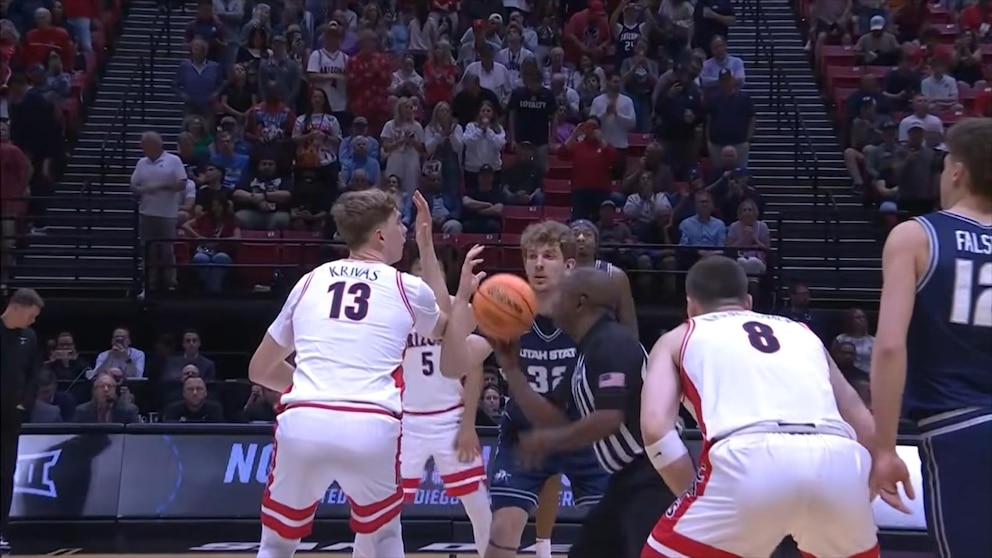

Sweet 16 Tips Off With Upsets and Top Seeds Under Pressure
Tournament Delivers Drama as Underdogs Shake Up Brackets
March Madness has once again lived up to its name, as the Sweet 16 round of the NCAA basketball tournament kicked off with stunning upsets and nail-biting performances that have left fans scrambling to adjust their brackets. This year’s tournament has been characterized by unpredictability, with several lower-seeded teams defying expectations and top-ranked programs finding themselves fighting desperately to keep their championship dreams alive. The atmosphere across arenas hosting these games has been electric, with buzzer-beaters, overtime thrillers, and Cinderella stories capturing the hearts of basketball fans nationwide. As the field narrows from 68 teams to just 16, the pressure intensifies exponentially, and the margin for error becomes razor-thin. Every possession matters, every defensive stop becomes crucial, and the weight of expectation can either propel a team forward or cause them to crumble under the spotlight.
The Sweet 16 represents a critical juncture in the tournament where good teams become great ones, and pretenders are exposed by legitimate contenders. This year’s edition has been particularly compelling because several programs that rarely make deep tournament runs have found themselves just two wins away from the Final Four. Meanwhile, traditional powerhouses that entered the tournament as favorites have discovered that their reputations and recruiting rankings mean nothing once the ball is tipped. The beauty of single-elimination tournament basketball lies in its unforgiving nature—one bad shooting night, one injury, one series of questionable calls, or simply running into an opponent having the game of their lives can end a season in an instant, regardless of what happened during the previous months.
Lower Seeds Making History and Shocking the Basketball World
This year’s tournament has been particularly kind to underdogs, with several double-digit seeds advancing further than most experts predicted. These lower-seeded teams have brought a combination of fearless play, exceptional coaching, and timely performances that have dismantled supposedly superior opponents. One of the most compelling aspects of their success has been their ability to play with house money—having already exceeded expectations simply by winning a game or two, these teams enter each subsequent matchup with nothing to lose and everything to gain. This psychological advantage has proven significant, allowing them to play loose and confident while their higher-ranked opponents deal with the mounting pressure of avoiding an embarrassing early exit.
The Cinderella stories this tournament have been fueled by outstanding individual performances from players who weren’t household names entering March but have become overnight sensations through their tournament heroics. Mid-major conference stars have proven they can compete with and defeat players from power conferences, challenging the conventional wisdom about talent gaps between different levels of college basketball. These breakthrough performances have scouts and analysts reassessing their evaluations and reminding everyone why the NCAA tournament is considered the most exciting event in sports. The magic of March lies precisely in these moments—when a player from a small school nobody has heard of hits a game-winning shot against a blueblood program, creating a memory that will last a lifetime and inspire countless young players watching at home.
Top Seeds Feeling the Heat as Championship Expectations Intensify
While underdogs have thrived, the top-seeded teams entering the Sweet 16 have found themselves under immense scrutiny and pressure. These programs entered the tournament with Final Four expectations, and anything less than reaching the championship game would be considered a disappointment by their fan bases and administrators. The weight of this expectation can be seen in the body language and play of some favorites, who have looked tentative or overly cautious in crucial moments. The fear of losing has sometimes proven more powerful than the desire to win, leading to conservative play-calling and hesitant execution during critical stretches of games.
Several top seeds have survived close calls in earlier rounds, winning games they probably should have lost or needed miraculous comebacks to avoid elimination. While they remain alive in the tournament, their vulnerabilities have been exposed, giving confidence to potential future opponents who now believe these giants can be slain. The coaching staffs of these favored teams face the delicate challenge of managing egos, maintaining confidence, and addressing weaknesses while keeping their players mentally focused and physically prepared for the grueling nature of tournament play. Star players on these top-seeded teams face particular pressure, as their legacy and draft stock can be significantly impacted by their tournament performance. A stellar showing can cement a player’s reputation and potentially improve their professional prospects, while a disappointing exit might lead to uncomfortable questions about their ability to perform in high-stakes situations.
Coaching Decisions and Adjustments Taking Center Stage
As the tournament progresses to the Sweet 16, the chess match between coaching staffs becomes increasingly important. The teams that have advanced this far all have talent, but the difference-makers are often the tactical adjustments made during timeouts, between halves, or in preparation between games. Coaches who can identify opponent weaknesses and exploit them while simultaneously protecting their own team’s vulnerabilities have given their squads the best chance to advance. The ability to make real-time adjustments during games has proven crucial, as opponents make their own changes and teams must respond or risk falling behind.
Several coaches have enhanced their reputations through their tournament performance, demonstrating the strategic acumen and leadership that separates good coaches from great ones. These maestros have managed substitution patterns expertly, knowing precisely when to rest key players and when to ride their stars. They’ve made gutsy defensive schemes that have confused opponents and called offensive plays at crucial moments that have resulted in game-changing baskets. The coaching spotlight has also revealed some limitations, as a few prominent coaches have made questionable decisions that have put their teams in difficult positions or failed to make necessary adjustments when their initial game plans proved ineffective. As the tournament continues, coaching will likely play an even larger role, as teams are more evenly matched and the margins between victory and defeat become increasingly narrow.
Fan Frenzy and Bracket Chaos Adding to Tournament Drama
For millions of fans participating in bracket challenges, this year’s tournament has been both exhilarating and frustrating. The numerous upsets have demolished most brackets, with very few people still having a mathematically viable path to winning their office pool or online competition. Yet this destruction of carefully researched predictions is precisely what makes the tournament so captivating—the unpredictability keeps everyone engaged, as even those with ruined brackets continue watching to see just how chaotic things might become. The communal experience of watching games, discussing upsets, and debating which teams might advance next has turned the tournament into a cultural phenomenon that transcends sports.
Social media has amplified the tournament experience, with highlights, reactions, and memes spreading instantly as games unfold. Fans celebrate underdog victories with the same enthusiasm as if their own team had won, embracing the chaos and pure entertainment value of unexpected results. The emotional investment in these games, even for fans with no direct connection to the participating schools, speaks to the tournament’s unique appeal and its ability to create compelling narratives that resonate across different demographics. Office productivity notoriously declines during tournament weeks as employees stream games on their computers, check scores on their phones, and engage in spirited debates about coaching decisions and referee calls with colleagues.
Looking Ahead: The Path to the Final Four and Championship Glory
As the Sweet 16 concludes and the Elite Eight approaches, the remaining teams know they are just two wins away from reaching the Final Four, where college basketball immortality awaits. The pressure will only intensify from here, as will the quality of competition, as only the strongest teams—whether by seed or by determination—remain standing. Players will dig deep into their physical and mental reserves, coaches will burn midnight oil preparing game plans, and fans will remain glued to their screens for every possession of the remaining games.
The beauty of this stage of the tournament lies in its perfect balance of predictability and chaos. While top seeds have historical advantages, the single-elimination format and the passion of college athletes means that anything can happen. Teams that have been battle-tested through difficult conference schedules may have an edge, while those riding the momentum of upset victories might carry an intangible confidence that proves decisive. As we move toward the Final Four, one thing remains certain: more drama, more heartbreak, and more unforgettable moments await, cementing the NCAA tournament’s reputation as the most thrilling event in American sports. The stories being written this March will be remembered for years to come, inspiring future generations of players and fans alike while reminding us all why we love the beautiful unpredictability of tournament basketball.