
Team USA vs Sweden Heats Up Men’s Hockey Quarterfinal
A Classic Rivalry Reignites on Olympic Ice
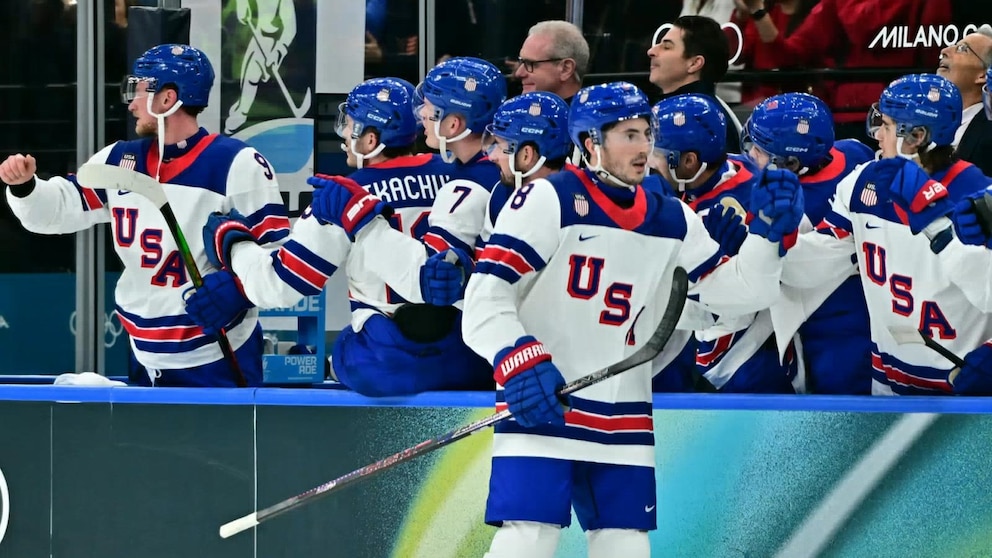
When Team USA and Sweden face off in Olympic hockey, you can always expect fireworks, and their latest quarterfinal matchup didn’t disappoint. These two powerhouse nations have a storied history of delivering some of the most intense and memorable games in international hockey, and this clash was no exception. The atmosphere was electric from the opening puck drop, with both teams understanding that their Olympic dreams hung in the balance. For the players wearing the stars and stripes, it was about proving American hockey’s continued dominance on the world stage. For the Swedish squad, it was an opportunity to showcase their trademark skill and composure against one of their fiercest rivals. The stakes couldn’t have been higher, and both teams came prepared to leave everything on the ice in pursuit of a semifinal berth.
The buildup to this game had been intense, with hockey fans around the world circling this potential matchup on their calendars from the moment the tournament bracket was announced. The United States had navigated through the preliminary rounds with a mix of dominant performances and nail-biting finishes, showing both their offensive firepower and occasional defensive vulnerabilities. Sweden, meanwhile, had played with their characteristic disciplined style, relying on structured defensive play and opportunistic scoring. The contrasting styles set the stage for a fascinating tactical battle—American speed and aggression versus Swedish patience and precision. Both coaches knew that special teams could make the difference, and both goaltenders understood they would need to be at their absolute best to give their teams a chance at victory.
The Battle Unfolds: Intensity from Start to Finish
From the moment the referee dropped the puck, it was clear this would be a physical, emotional battle that would test every player’s resolve. The first period saw both teams feeling each other out, with crisp passes, thunderous hits, and several glorious scoring chances that had fans on both sides holding their breath. The American forwards pressed hard on the forecheck, trying to force turnovers and create chaos in the Swedish defensive zone. Sweden responded with patience, absorbing the pressure and looking to counter with their dangerous transition game. The goaltenders were tested early and often, making spectacular saves that kept the game scoreless through the opening minutes. Every shift mattered, every battle along the boards was contested with playoff intensity, and the crowd could sense they were witnessing something special.
As the game progressed, the intensity only increased. The hitting became heavier, the compete level reached fever pitch, and emotions began to boil over. There were moments of brilliance from both sides—incredible individual skill plays, perfectly executed team plays, and heroic defensive stands that had teammates celebrating as enthusiastically as they would a goal. The referees had their hands full managing a game that teetered on the edge between hard-nosed playoff hockey and potential chaos. Both penalty kills were tested multiple times, with shot-blockers throwing their bodies in front of howitzers from the point and goaltenders making impossible saves to keep their teams in the fight. The ebb and flow of momentum swung back and forth like a pendulum, with neither team able to establish sustained control. It was playoff hockey at its finest—the kind of game that reminds you why you fell in love with this sport in the first place.
Star Players Step Up When It Matters Most
In games of this magnitude, you need your best players to be at their best, and both teams received crucial contributions from their stars. For Team USA, their top-line forwards brought a combination of speed, skill, and determination that kept Sweden’s defense on their heels. The American stars understood the weight of the moment and the expectations of a nation watching back home, and they responded with performances that justified their elite status. Their ability to create scoring chances seemingly out of nothing kept Sweden’s goaltender busy throughout the contest, and their work ethic on the backcheck showed a commitment to two-way play that’s essential in tournament hockey.
Sweden’s stars answered with performances equally impressive, showcasing the skill and hockey IQ that has made Swedish players some of the most respected in the world. Their veteran leadership was evident in crucial moments, calming younger teammates and making smart decisions with the puck when pressure mounted. The Swedish defensive corps, featuring some of the best two-way defensemen in the game, broke up American rushes with perfectly timed poke checks and positioned themselves expertly to block shooting lanes. Their ability to move the puck quickly out of danger and start the counterattack kept Team USA honest and prevented them from pinning Sweden in their own zone for extended periods. Meanwhile, Sweden’s goaltender was simply spectacular, making several highlight-reel saves that will be replayed for years to come. In a game where inches and milliseconds separate victory from defeat, these individual moments of excellence from star players on both sides elevated the contest to instant-classic status.
The Tactical Chess Match Behind the Bench
While the players executed on the ice, the coaching staffs engaged in their own fascinating battle of strategy and adjustment. Team USA’s coaching staff opted for an aggressive approach, using their depth and rolling four lines to maintain pressure and wear down the Swedish defense. They emphasized speed through the neutral zone, quick transitions, and getting pucks to the net with traffic in front to create chaos and second-chance opportunities. Their power-play strategy focused on movement and deception, trying to pull Sweden’s disciplined penalty kill out of position. On the bench, you could see the American coaches constantly communicating, making line adjustments, and calling for strategic timeouts at crucial moments to manage momentum.
Sweden’s coaching staff countered with their typically structured approach, emphasizing defensive responsibility and patience with the puck. They were content to absorb pressure when necessary, trusting their goaltender and shot-blockers, then strike with calculated precision when opportunities presented themselves. Their neutral-zone trap frustrated some of Team USA’s transition attempts, forcing American players to dump the puck in rather than carrying it across the blue line with speed. Sweden’s coaches also showed flexibility, adjusting their forecheck intensity based on the game situation and making smart personnel decisions about matchups. The chess match between the benches added another layer of intrigue to an already captivating game, with each adjustment met by a counter-adjustment in the ongoing tactical battle.
The Defining Moments That Shaped the Outcome
Every great playoff hockey game has its defining moments—the plays that shift momentum, the saves that preserve hope, the goals that break hearts or inspire jubilation. This quarterfinal delivered several such moments that will be remembered long after the final horn sounded. There were spectacular individual efforts that had commentators reaching for superlatives, bone-crushing hits that energized entire benches, and controversial non-calls that had fans and coaches alike questioning the officials. Perhaps most memorable were the goaltending performances, with both netminders making saves that seemed physically impossible, extending their bodies across the crease to rob sure goals and keep their teams alive.
The game’s critical sequences came in bunches, with one team pushing hard for the go-ahead goal only to be denied by spectacular goaltending or a fortunate post. The tension was almost unbearable for players and fans alike, with every shot potentially game-changing. When goals were finally scored, the celebrations were explosive—the release of pressure and emotion visible on every face. The physicality reached its peak in the final period, with players sacrificing their bodies to block shots, win board battles, and protect their goaltender. The final minutes provided drama befitting the occasion, with both teams having chances to be heroes and goats. In the end, the game lived up to its billing and then some, providing the kind of unforgettable theater that makes Olympic hockey such compelling viewing.
Legacy and Looking Forward
Regardless of which team ultimately prevailed, this quarterfinal matchup added another memorable chapter to the USA-Sweden hockey rivalry. For the victors, the win represented validation of their preparation, execution, and mental toughness under extreme pressure. They would move forward with confidence, knowing they had survived a stern test against a world-class opponent. The challenge ahead would be to recover quickly, both physically and emotionally, and prepare for an even tougher semifinal opponent. For the losing team, the disappointment would be profound—Olympic dreams ended, a long season of preparation resulting in heartbreak. Yet there would also be pride in their performance, in pushing a great opponent to the limit and representing their country with honor and skill.
This game exemplified everything that makes Olympic hockey special—national pride, world-class skill, relentless intensity, and dramatic moments that create lasting memories. Young players on both rosters gained invaluable experience that will serve them in future tournaments, while veterans added to their legacy of international competition. The coaches refined their understanding of what works at the highest level, and fans were treated to a spectacle that reminded them why they clear their schedules during the Olympics to watch hockey. As both nations look toward future tournaments, they’ll use this game as a measuring stick and motivation, knowing that when USA and Sweden meet on Olympic ice, something special always happens. The rivalry continues, the respect between these two hockey nations deepens, and the anticipation builds for their next inevitable meeting on the world stage.