


Travel Chaos: When Storms and Shutdowns Collide
A Perfect Storm of Travel Disruption
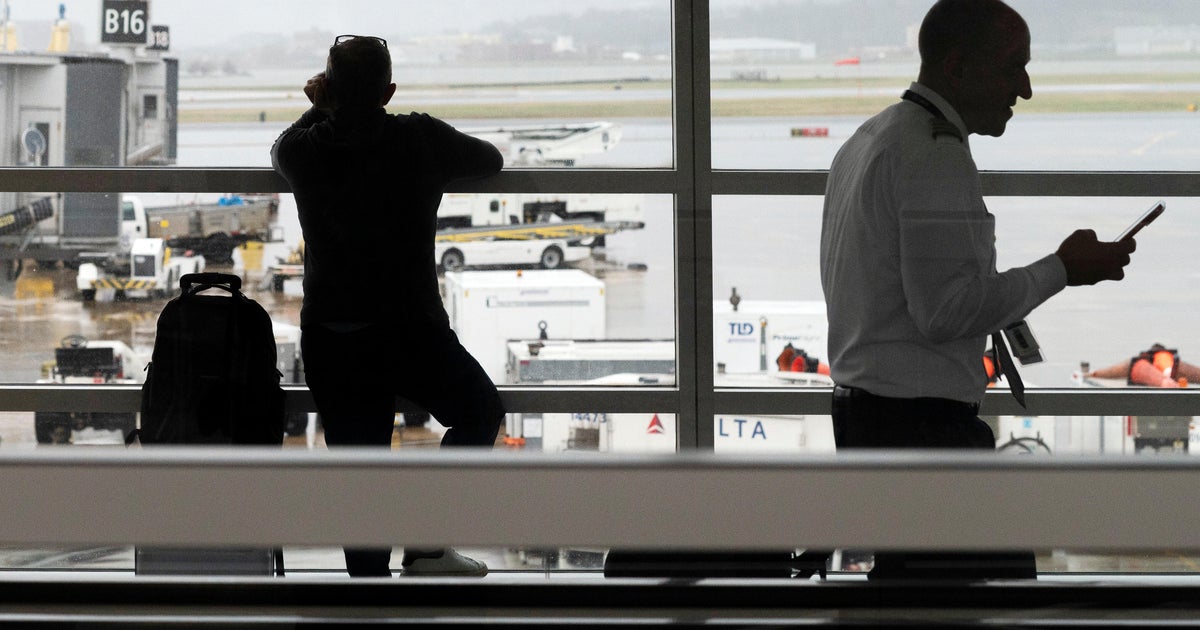
American air travelers found themselves caught in a frustrating perfect storm this week, as Mother Nature joined forces with political gridlock to create widespread chaos across the nation’s airports. On Tuesday alone, more than 900 flights were canceled and over 2,600 were delayed, leaving thousands of passengers stranded, sleeping on airport floors, and scrambling to rebook their plans. The culprit? A one-two punch of severe weather sweeping across the country and an ongoing government shutdown that has left airport security checkpoints dangerously understaffed. For travelers trying to get away for spring break or catch March Madness basketball games, what should have been exciting trips turned into exhausting ordeals of uncertainty and frustration.
The weather system that triggered much of the immediate disruption began as heavy snowfall across the Midwest before racing toward the East Coast with fierce winds reaching nearly 50 mph in some areas of New York. Major hubs like Chicago O’Hare International, Atlanta’s Hartsfield-Jackson International, and New York’s LaGuardia Airport bore the brunt of the cancellations, with hundreds of flights grounded at each location. The Federal Aviation Administration issued ground stops and delays at several major airports, citing severe weather conditions. But while storms are a familiar nemesis for air travelers, the situation was made considerably worse by a less predictable factor: the political standoff in Washington that had left thousands of Transportation Security Administration workers without paychecks for over a month.
The Human Cost of Political Deadlock
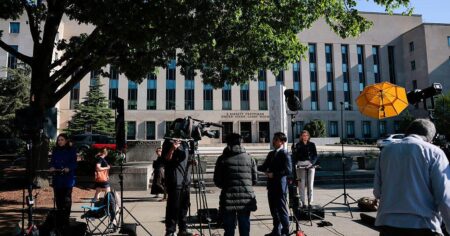
Behind the statistics and flight numbers are real people facing real hardships—both the travelers stuck in airports and the TSA workers showing up to jobs that aren’t paying them. The partial government shutdown, which began on February 14, has specifically affected the Department of Homeland Security, leaving TSA employees in an impossible position. These are the people responsible for keeping air travel safe, yet they’re dealing with eviction notices, repossessed vehicles, empty refrigerators, and overdrawn bank accounts. Aaron Barker, a local union leader with the American Federation of Government Employees, painted a grim picture at a news conference outside Atlanta’s Hartsfield-Jackson airport, describing workers who are literally choosing between doing their jobs and feeding their families.
The numbers tell a sobering story: more than 300 TSA staffers have quit since the shutdown began, unable to sustain working without pay. Those who remain have been calling out at more than double the normal rate, with Sunday and Saturday recording the highest and second-highest call-out rates since the shutdown started. This isn’t about workers being irresponsible—it’s about people who can’t afford gas to get to work or who need to take second jobs just to survive. The dedication of those who continue showing up despite mounting financial pressure is remarkable, but there’s only so long anyone can work without being paid before the situation becomes untenable. The political dispute at the heart of this shutdown involves Democrats in Congress refusing to fund Homeland Security until new restrictions are placed on federal immigration operations following two fatal shootings in Minneapolis earlier in the year.
Stranded Travelers Tell Their Stories
The impact on travelers has been immediate and deeply personal. Kelly Price, trying to return home to Colorado after a family vacation in Orlando, found herself and her family sleeping on the airport floor after their Sunday night flight was canceled in the early morning hours. With all nearby accommodations booked and limited rebooking options, the earliest flight they could secure didn’t leave until Tuesday afternoon—turning what should have been a pleasant return from vacation into an exhausting ordeal. Similarly, Danielle Cash found herself unexpectedly stranded in St. Louis while trying to return to Tampa, Florida, after a weekend trip to Las Vegas. Dressed for 90-degree desert heat and 80-degree Florida weather, she suddenly found herself shivering in a snowy Midwestern city, spending hundreds of extra dollars on hotel rooms while waiting for a rerouted flight through Tennessee.
These stories multiply across airports throughout the country, each representing disrupted plans, additional expenses, missed work days, and the sheer physical and emotional exhaustion of airport limbo. For spring break travelers, particularly families with children, the situation is especially challenging. Parents are trying to keep kids entertained and comfortable in crowded terminals while managing their own stress about rebooking flights, losing hotel reservations, and the cascading effects on their carefully planned vacations. For sports fans heading to March Madness games, there’s the added anxiety of potentially missing once-in-a-lifetime tournament experiences they may have saved months or years to attend.
Security Lines Stretch Into the Streets
The staffing crisis at TSA checkpoints has created scenes that would seem almost comical if they weren’t so frustrating for travelers. Austin’s airport shared a video taken at 5:30 in the morning showing security lines so long they spilled out onto the sidewalk outside the terminal building. New Orleans’ Louis Armstrong International Airport advised travelers to arrive at least three hours early—an hour more than the typical recommendation—specifically citing impacts from the government shutdown. At Atlanta’s Hartsfield-Jackson, one of the world’s busiest airports, Mel Stewart and his wife decided to arrive four hours before their flight rather than risk missing it due to security delays.
Stewart’s comments captured the exasperation many travelers feel about the situation: “I think it’s being politicized way too much—way too much. And these people are working. They work hard, and for TSA people not to get paid, that’s silly.” His perspective reflects a common sentiment among passengers who find themselves caught in the middle of a political dispute they have no control over. The irony isn’t lost on travelers that in an era where airport security is considered more important than ever, the people providing that security are being treated as expendable. The longer waits and understaffed checkpoints also raise questions about whether security procedures are being rushed or shortcuts taken as fewer officers try to process the same volume of passengers.
A Recurring Nightmare for Air Travel
Perhaps most troubling is that this isn’t an isolated incident—it’s the third shutdown in less than a year to leave TSA workers temporarily without pay. Each time the government reopens, employees must wait for back pay, creating recurring cycles of financial instability for workers who have bills to pay every month, not just when Congress decides to fund their agency. This pattern of repeated shutdowns affecting the same workforce creates cumulative damage that goes beyond immediate paycheck issues. Workers who might have weathered one shutdown by dipping into savings or borrowing from family find themselves with those safety nets already depleted when the next shutdown arrives.
The psychological toll is also significant. TSA workers face the stress of not knowing when they’ll be paid again, whether they can keep their homes, or if they should start looking for more stable employment elsewhere. For the aviation industry as a whole, this instability threatens to create a long-term staffing crisis. Why would qualified candidates choose a career with TSA when they’ve seen repeated examples of the workforce being used as political leverage? The more than 300 workers who have already quit represent not just immediate staffing holes but also lost institutional knowledge and training investments. Recruiting and training new TSA officers is expensive and time-consuming, meaning that even after a shutdown ends, the effects on security checkpoint staffing persist for months.
As severe weather events become more common and political polarization shows no signs of decreasing, American air travelers may need to adjust their expectations and planning around these dual threats to smooth travel. The convergence of natural disasters and human-made political crises creates a particularly challenging environment where even the best-laid travel plans can crumble. For now, passengers are advised to build extra time into their airport arrivals, maintain flexible travel dates when possible, and perhaps most importantly, remember that the stressed workers and fellow travelers around them are all just trying to get where they need to go while navigating circumstances beyond anyone’s individual control.