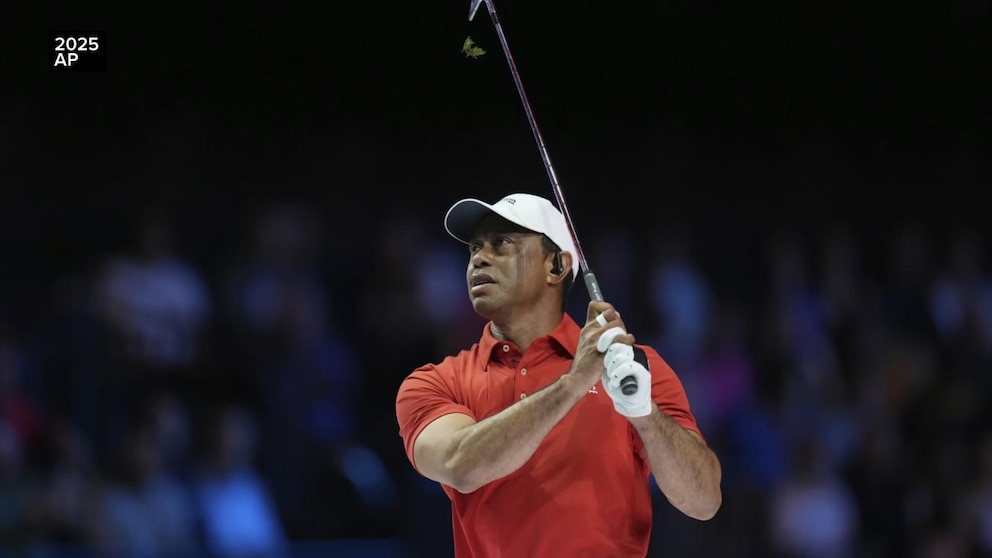

Tiger Woods Returns After Back Surgery: A Comeback Story of Resilience and Determination
The Long Road to Recovery
Tiger Woods, one of golf’s most iconic figures, has once again demonstrated his unwavering commitment to the sport he loves by returning to competitive play following yet another back surgery. This latest comeback represents just one chapter in a long and challenging medical journey that has tested the mental and physical fortitude of the 15-time major champion. Woods has undergone multiple back procedures over the years, each one threatening to end his storied career prematurely. His most recent surgery was necessitated by persistent pain and mobility issues that had been plaguing him for months, making it increasingly difficult to perform at the elite level that both he and his fans have come to expect. The procedure, which involved addressing complications from previous surgeries and ongoing degenerative issues in his lower spine, required an extensive rehabilitation period that kept Woods away from tournament play and left many wondering whether the golfing legend would ever return to form. Throughout his recovery, Woods maintained a relatively low profile, sharing only occasional updates with fans through social media and carefully measured statements that neither promised too much nor revealed the full extent of his struggles. Those close to him reported that the rehabilitation process was grueling, involving daily physical therapy sessions, strength training, and a carefully monitored return to swinging a golf club that progressed incrementally over many months.
A Career Defined by Triumph and Adversity
To understand the significance of this latest comeback, one must appreciate the full arc of Tiger Woods’ extraordinary career and the numerous obstacles he has overcome along the way. Bursting onto the professional scene in 1996, Woods quickly revolutionized the game of golf with his combination of power, precision, and mental toughness that seemed almost superhuman. He dominated the sport throughout the late 1990s and early 2000s, collecting major championships at a pace that had analysts and fans alike seriously discussing whether he might surpass Jack Nicklaus’s record of 18 major victories. However, Woods’ career has been punctuated by multiple comebacks from both physical injuries and personal setbacks that would have permanently sidelined lesser competitors. His back problems first became serious around 2014, leading to his first back surgery in 2014, followed by additional procedures in 2015 and a spinal fusion surgery in 2017 that many believed would mark the end of his competitive career. Yet Woods defied those expectations spectacularly when he won the 2019 Masters Tournament, completing what many sports journalists called the greatest comeback in golf history and one of the most remarkable achievements in all of sports. That victory at Augusta National proved that Woods possessed not only the physical ability to compete at the highest level following major surgery but also the mental resilience to handle the pressure of contending in major championships after years away from contention. His story has become one of the most compelling narratives in modern sports, embodying themes of persistence, redemption, and the refusal to accept defeat that resonate far beyond the golf course.
The Physical and Mental Challenges of Returning
Returning to professional golf after major back surgery presents challenges that extend well beyond simply regaining the ability to swing a club. The golf swing is one of the most complex and physically demanding motions in sports, requiring precise coordination between numerous muscle groups while generating tremendous torque through the spine and lower back. For someone with Woods’ history of back problems, every swing carries inherent risk and requires careful management of workload and stress on the affected areas. During his recovery period, Woods had to essentially rebuild his swing mechanics to accommodate his physical limitations while still maintaining the competitive edge that made him one of the greatest players in history. This process involved working closely with medical professionals, physical therapists, and his longtime swing coach to develop a technique that would be both effective and sustainable given his physical condition. Beyond the physical challenges, the mental aspect of returning from such a significant surgery cannot be overstated. Woods has spoken in the past about the psychological difficulty of wondering whether each swing might trigger pain or cause further damage, creating a mental barrier that can be just as limiting as any physical restriction. The fear of re-injury is a constant companion for athletes recovering from serious procedures, and overcoming that fear requires a level of mental discipline and confidence that few possess. Additionally, there’s the challenge of managing expectations—both his own and those of fans, media, and sponsors—while being realistic about what his body can and cannot do at this stage of his career.
The Impact on Golf and Sports Culture
Tiger Woods’ influence on golf extends far beyond his personal achievements and tournament victories; he has fundamentally transformed the sport’s cultural landscape and global reach. His presence in any tournament still generates significantly higher television ratings, increased ticket sales, and greater media attention, demonstrating the magnetic appeal he holds even as he competes against younger players who grew up idolizing him. Woods’ multicultural background and crossover appeal helped golf reach audiences that had previously shown little interest in the sport, making him one of the most recognizable athletes in the world regardless of sport. His return from injury, therefore, carries implications that reach beyond his individual career and affect the entire professional golf ecosystem. Tournament organizers openly acknowledge that Woods’ participation can make the difference between a moderately successful event and a spectacular one, both financially and in terms of prestige. Fellow professionals have expressed their appreciation for what Woods’ presence means to the sport, noting that his participation elevates every tournament and pushes other players to raise their game. Younger players who grew up watching Woods dominate the sport now find themselves competing against their childhood hero, creating storylines that captivate sports fans and bring additional attention to golf. His resilience in the face of repeated setbacks has also made Woods a symbol of determination and persistence that transcends sports, inspiring people facing their own challenges in various aspects of life. His story demonstrates that greatness isn’t just about talent and success but also about how one responds to adversity, setback, and the inevitable decline that comes with age and injury.
What to Expect from This Latest Comeback
As Woods embarks on this latest return to competition, the golf world watches with a mixture of hope, curiosity, and tempered expectations. Unlike his triumphant 2019 comeback that culminated in a Masters victory, this return comes at a different stage of his career and with additional physical limitations that make another major championship victory seem increasingly unlikely, though certainly not impossible given his track record of defying expectations. Woods himself has been careful to manage expectations, acknowledging that his body dictates what he can and cannot do and that his playing schedule will likely be limited to major championships and select other tournaments where he feels he can be competitive. This selective approach mirrors the strategy he employed successfully in 2019, allowing his body adequate rest between tournaments while focusing his preparation on events where he has the best chance of contending. Analysts and former players have offered varying predictions about what Woods might accomplish in this phase of his career, with some suggesting that even occasional top-ten finishes would represent remarkable achievements given his medical history, while others point to his 2019 Masters victory as proof that writing off Tiger Woods is always premature. What seems certain is that Woods will approach his return with the same meticulous preparation and competitive fire that have defined his career, working tirelessly to maximize whatever physical capabilities remain available to him. His short game and course management skills—elements of golf that rely less on physical power and more on experience and touch—remain world-class and could help compensate for any limitations in his ball-striking ability.
Legacy and Inspiration Beyond the Fairways
Regardless of what Tiger Woods accomplishes in this latest comeback attempt, his legacy as one of the greatest and most influential athletes of all time is already secure. His impact on golf will be felt for generations through the players he inspired to take up the game, the increased diversity he brought to a sport once considered exclusive and unwelcoming to minorities, and the standards of athleticism and preparation he established that changed how professional golfers approach their craft. Woods transformed golf from a game dominated by technique and touch into a sport where physical fitness, strength training, and athletic performance became paramount, raising the bar for everyone who followed. His willingness to continue competing despite the physical pain and challenges he faces has added a new dimension to his legacy, showing that his love for the game and competitive spirit remain undimmed even when victory becomes less certain. For millions of people dealing with their own back problems, chronic pain, or career setbacks, Woods’ persistence offers a powerful example of refusing to let limitations define what’s possible. His journey resonates particularly with aging athletes and weekend warriors who face their own physical challenges and find inspiration in watching someone who has every reason to retire continue pushing forward instead. As he embarks on this latest chapter of his remarkable career, Tiger Woods reminds us that sometimes the greatest victories aren’t measured in trophies and titles but in the courage to keep competing, to keep trying, and to refuse to let adversity write the final chapter of your story.