



Inside the Kitchen with Kenny Atkinson: A Michelin-Starred Chef’s Guide to Great Food Without Breaking the Bank
Learning from the Masters: The Journey to Culinary Excellence
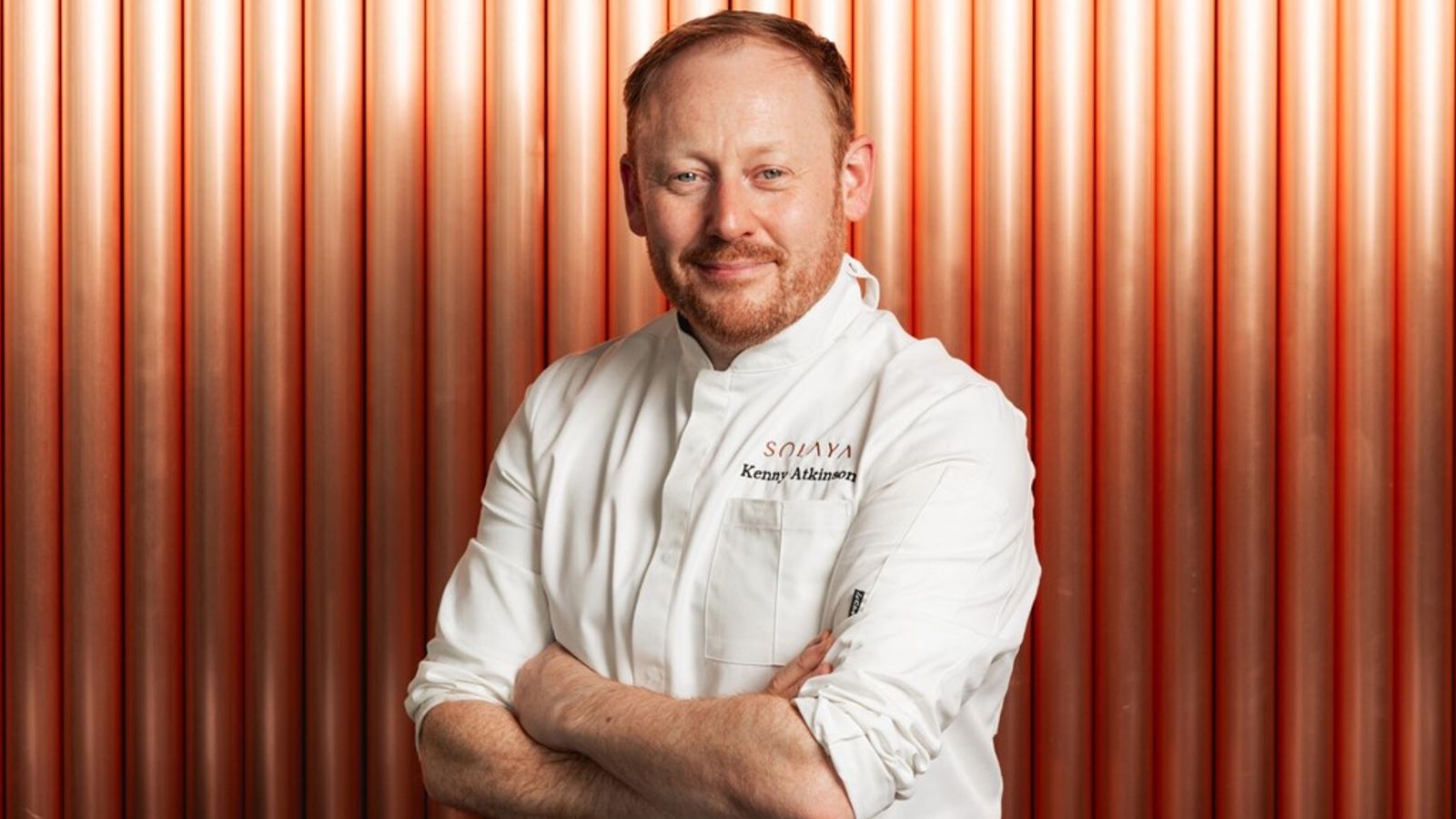
Kenny Atkinson’s path to becoming one of Britain’s most celebrated chefs wasn’t a straight line to the top. While he’s grateful for the opportunity to have worked alongside numerous talented culinary professionals throughout his career, there’s one name that stands out as truly transformative: Hywel Jones. It was during his time working with Jones in London that everything clicked into place for the young, ambitious cook. The experience wasn’t just about following recipes or mastering techniques—it was about understanding food at a deeper level. Jones had an extraordinary gift for coaxing the very best from every ingredient that passed through his kitchen, treating each component with respect and intention. Under his guidance, Atkinson learned to see ingredients not as mere items on a shopping list, but as individual elements with their own stories, characteristics, and potential. The techniques he absorbed during those formative years became the foundation upon which he built his entire culinary philosophy. Today, as the chef-owner of Solstice and House of Tides in Newcastle, along with Solaya in London, Atkinson credits that period as the launching pad for everything he’s accomplished. Those lessons continue to inform his approach to food, shaping not just what he cooks, but how he thinks about cooking itself—a philosophy that emphasizes getting the absolute most from ingredients, whether they’re luxurious delicacies or humble, everyday staples.
Hidden Gems: The Overlooked Ingredients That Deliver Amazing Value
When it comes to stretching your food budget without sacrificing flavor, Atkinson has strong opinions about what most home cooks are missing. His answer might surprise you: offal. While shoppers regularly gravitate toward premium cuts of meat that command premium prices, they’re walking right past some of the most flavorful and economical options available. Take tripe, for example—a cut so underappreciated that many butchers will literally give it away because nobody wants it. But in the hands of someone who knows what they’re doing, this free or nearly-free ingredient transforms into something spectacular. Atkinson’s recommendation is to braise it slowly with red wine, bacon, and mushrooms, a combination that results in one of the most satisfying dishes you can imagine. Beyond specific ingredients, he emphasizes the importance of building a well-stocked pantry of seasonings and spices. These might seem like small purchases, but they’re actually flavor powerhouses that deliver incredible bang for your buck. A good collection of herbs and spices acts as an instant umami boost, elevating everything from simple pasta dishes to vegetables to meat preparations. They’re essentially flavor enhancers that can transform a basic meal into something special without requiring expensive ingredients. And when Atkinson himself wants a cheap meal out, he heads to Nan Bei Chinese Dumplings in Newcastle’s Grainger Market, where handmade dumplings and noodle soups prove that amazing food doesn’t need to come with a hefty price tag.
The Reality of Michelin Stars and Essential Kitchen Equipment
The prestigious Michelin stars attached to Atkinson’s name might seem like an unqualified blessing, but he’s refreshingly honest about the complex reality they represent. Yes, they’re a tremendous honor and recognition of excellence, but they also come with significant downsides. Michelin stars create intense pressure that affects every aspect of restaurant operations—from the chef’s personal life to staff dynamics, from business viability to guest expectations that can sometimes become unrealistic. The constant drive to maintain that level of perfection can strain relationships and push everyone involved to their limits. Yet Atkinson thrives on this pressure, viewing it as fuel that keeps him and his team pushing toward excellence. The key, he notes, is having a strong support system and team behind you who share that commitment to perfection. On a more practical note, when it comes to essential kitchen equipment for home cooks, Atkinson is emphatic about one tool: a good blender. This versatile appliance isn’t just for smoothies (though it certainly excels at that). A quality blender opens up a world of possibilities, from making fresh pesto and salsa verde to creating your own mayonnaise, flavored oils, and silky soups. It’s an investment that pays dividends in kitchen versatility. As for where to shop, Atkinson breaks with any snobbery about supermarket meat—he’s genuinely impressed with Aldi’s meat selection, particularly their steak range, which he praises for both flavor and tenderness at an excellent value point. He’s also a fan of Morrison’s fish counters in stores where they’re available, appreciating the availability of fresh fish rather than pre-packaged alternatives.
Creating Restaurant-Quality Meals on a Tenner
When challenged to create a satisfying meal for around £10, Atkinson immediately thinks of comfort and yield—something that feeds people generously while delivering genuine deliciousness. His answer is a classic beef stew with mashed potatoes, using economical braising cuts like shin or brisket that become melt-in-your-mouth tender with the right treatment. His method is straightforward but builds layers of flavor at each step. Start by patting the beef dry and seasoning it well with salt and pepper, then brown it in batches in bacon fat over medium-high heat until a deep, flavorful crust forms. Remove the meat and set it aside, then add chopped carrots and onions to the same pot, cooking until they soften and pick up all those delicious browned bits. Stir in minced garlic and tomato paste for just a minute to develop their flavors. Next comes a crucial step: sprinkle flour over the vegetables to create a thickening agent for the sauce, then slowly deglaze with red wine, scraping up all the caramelized bits stuck to the bottom of the pot. Return the beef to the pot and add water or beef stock along with bay leaf and thyme. Bring everything to a simmer, cover it, and transfer the whole pot to a 160°C oven for two and a half to three hours. What emerges is fork-tender meat in a rich, deeply flavored sauce that pairs perfectly with a generous portion of mashed potatoes. When it comes to secret weapons in the pantry, Atkinson champions Worcestershire sauce as Britain’s most underrated ingredient. While most people only think to use it on cheese on toast, its complex blend of molasses, malt vinegar, and anchovies makes it an instant umami booster for meats, fish, sauces, and stews—a true powerhouse of flavor and versatility.
The Changing Landscape of Dining Out
The cost of living crisis hasn’t just temporarily changed how people eat out—it’s fundamentally reshaping dining behaviors in ways that appear permanent. According to Atkinson, consumers have become much more intentional and value-driven in their restaurant choices. Rather than cutting back for a few months and then returning to old habits, diners have adopted new behaviors that reflect a more considered approach to spending their money on meals outside the home. They’re prioritizing experiences that genuinely justify the cost, which means they’re dining out less frequently overall but potentially being more selective about where they go when they do. One of the biggest misconceptions Atkinson encounters is the assumption that expensive dishes on a menu translate to huge profits for the restaurant. In reality, higher prices often mean higher risk and actually thinner margins—not greed. The ingredient cost typically represents only 30-35% of what you see on the menu; the remaining 65-70% goes toward rent, staff wages, utilities, insurance, equipment maintenance, breakage, and inevitable waste. Labor costs are particularly brutal: even a dish that appears simple on the plate may require prep cooks working hours in advance, service staff to deliver it, and dishwashers to clean up afterward. Premium ingredients also come with price volatility that most diners never see—fish, beef, dairy, and produce prices can fluctuate dramatically from week to week, but restaurants can’t constantly adjust their menus to keep pace with these changes without creating confusion and operational nightmares.
The Hidden Pressures Facing Today’s Restaurants
Behind the scenes, restaurant operators are grappling with challenges that most diners never consider. Staffing has been particularly difficult since COVID, with fewer chefs willing to relocate to advance their careers—a problem compounded by rising rental prices that make moving cities financially prohibitive. Atkinson also observes a shift in attitude among younger chefs, many of whom don’t view their workplace as an investment in their future the way previous generations did. But perhaps the most crushing pressure facing restaurants is one that’s completely invisible to diners: business rates. Atkinson believes this could be “the nail in the coffin” for many business owners already struggling in the current climate. The list of financial pressures is daunting: electricity and gas costs have nearly doubled over the past few years, representing a 100% increase. Then there’s the 20% VAT tax on all sales, with most of what restaurants are charged not being tax refundable, which significantly hurts profitability. Atkinson points out the stark contrast with Europe, where similar businesses typically face only about 10% tax on sales. These behind-the-scenes costs don’t make headlines, but they’re quietly making it harder and harder for restaurants to survive, let alone thrive. Despite these challenges, Atkinson continues to push forward, driven by his passion for excellence and supported by dedicated teams who share his vision. His perspective offers valuable insights not just into how to cook better on a budget, but into the complex realities of an industry that brings joy to millions while operating on razor-thin margins.