


Maryland Governor Wes Moore Speaks Out: A Candid Conversation on War, Economy, and Federal Responsibility
Economic Challenges Hit Home for Maryland Families
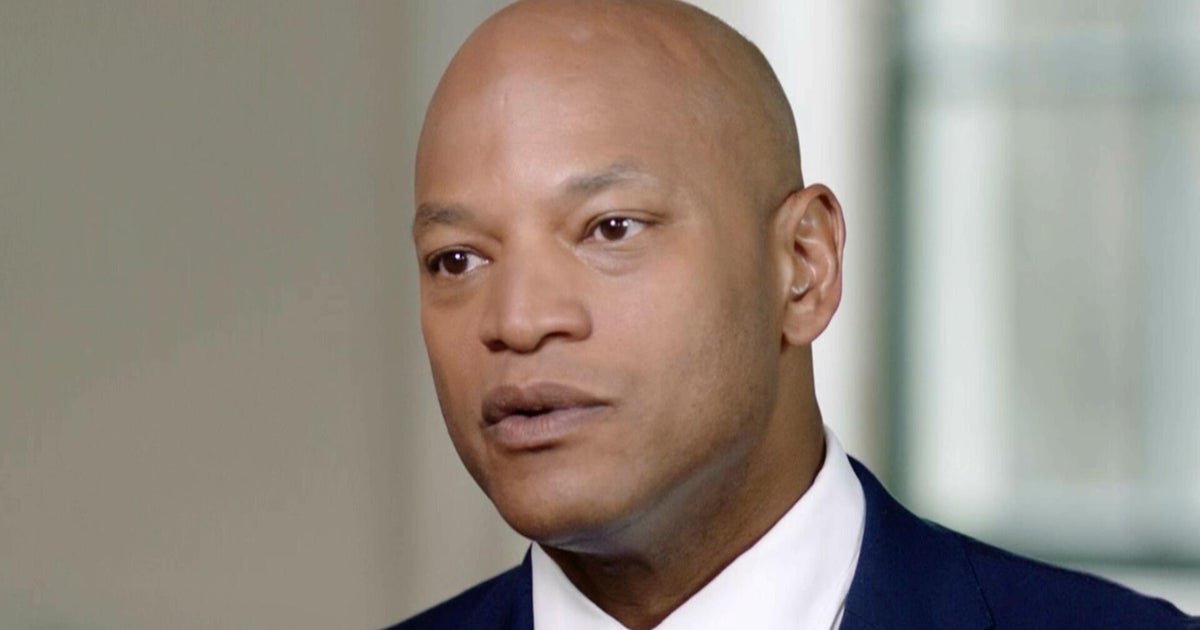
Governor Wes Moore of Maryland sat down for a frank discussion about the mounting pressures facing American families as ongoing international conflicts ripple through the economy. Speaking with refreshing honesty, Moore acknowledged the harsh reality that governors have limited power to address many of the financial burdens crushing everyday citizens. His own mother’s experience painted a vivid picture of the crisis: her energy bill skyrocketed from $140 in March of last year to nearly $500 now. Gas prices have jumped over a dollar, mortgage rates continue climbing, and homeownership is becoming increasingly out of reach for many Americans. While Moore admitted that governors can’t control international energy markets or the broader inflationary trends triggered by foreign conflicts, he emphasized that state leaders aren’t entirely powerless. In Maryland, he’s taking action where he can—cracking down on price manipulation by major corporations, holding data center companies accountable for their energy consumption, and providing rebates directly to residents. He’s also implemented a middle-class tax cut, asking the wealthiest Marylanders to contribute more so the state can invest in education and public safety. The results have been encouraging, with Maryland seeing significant improvements in reading and math scores alongside one of the fastest drops in violent crime rates anywhere in the country.
A Strong Stance Against Forever Wars
Perhaps the most striking aspect of the conversation was Governor Moore’s passionate opposition to what he sees as America sliding into another unnecessary foreign conflict. As a veteran who led soldiers with the 82nd Airborne Division in Afghanistan, Moore spoke from deeply personal experience about the true cost of “forever wars.” His voice carried the weight of someone who understands that military decisions aren’t just strategic calculations—they’re choices that profoundly affect real families, real soldiers, and real communities. Moore drew a direct parallel between the current situation in Iran and America’s 20-year war in Afghanistan, which cost over 2.4 trillion dollars and claimed more than 2,400 American lives. The bitter irony wasn’t lost on him: after two decades of fighting to change the Taliban, the Taliban is still in charge of Afghanistan. When asked about potential gas tax holidays to ease the burden on Maryland drivers, Moore was adamant that the real solution isn’t a temporary band-aid but stopping the foreign wars that cause gas prices to spike in the first place. He expressed deep frustration that the president has failed to clearly articulate why the country is engaged in this conflict, what success looks like, or how long American forces will be committed. The news of a downed U.S. fighter jet and ongoing search and rescue operations inside Iran only intensified his concerns about families terrified to answer their phones, fearing the worst possible news.
A Message to the Next Generation of Service Members
Governor Moore’s upcoming role as a commencement speaker at the military prep school that changed his life added another layer of emotion to the discussion. He didn’t choose military school—he was sent there as an angry, frustrated young man dealing with a difficult childhood. That institution saved him, giving him structure, purpose, and direction when he desperately needed it. Now, as he prepares to address the Class of 2026, including cadets who will soon join the military themselves, Moore grapples with conflicting emotions. He’s immensely proud of young people who choose a life of service and is honored to speak to them about duty, sacrifice, and defending democracy. But he’s also praying—praying for these future service members and their families, and praying that the country’s leadership will make decisions with those families in mind rather than pursuing what he sees as “wrong-headed and foolish” policies. His message reflects the complexity of patriotism in troubled times: unwavering support for those who serve, combined with fierce criticism of leaders who might send them into harm’s way without clear purpose or strategy.
Evaluating Trump’s Legacy and America’s Path Forward
In a particularly thoughtful segment, Moore outlined a framework he’s developed for thinking about the next president’s challenge: organizing the Trump administration’s actions and policies into five distinct categories. What’s broken and can’t be repaired? What’s broken but fixable? What’s broken and needs a completely different approach? What survived but should be dismantled? And what survived and deserves to be maintained? When applied to foreign policy, particularly regarding Iran, Moore’s analysis was damning. He pointed out that President Trump made three core promises that helped him win election: bringing prices down, releasing the Epstein files, and avoiding foreign wars. “Strike one, strike two, strike three,” Moore said bluntly—Trump failed on all three counts. The relationship with Iran isn’t just broken, Moore argued; there’s no clear articulation of what a path forward even looks like. The situation becomes even more problematic when you consider that the administration has simultaneously gutted America’s “soft power” tools like USAID and shut down the Department of Homeland Security, whose primary job is keeping Americans safe. Regarding Israel, Moore emphasized that while the relationship is important, all important relationships require accountability. He noted that the current Iran conflict violates three fundamental principles any soldier hopes for: war should be a last resort, there should be clarity about mission and endgame, and there should be a strong international coalition. None of these conditions have been met.
Federal Responsibility and the States’ Impossible Burden
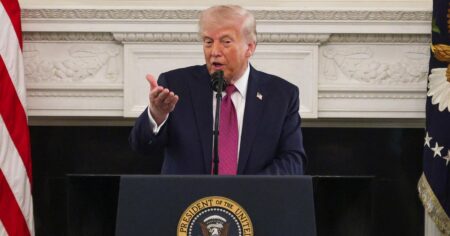
One of the most alarming moments in the conversation came when discussing recent comments from President Trump suggesting that the federal government shouldn’t have to pay for programs like daycare, Medicaid, and Medicare because “we have to take care of one thing, military protection.” Moore’s response was immediate and emphatic: “That’s nonsense. And that’s not what any of us want. We don’t want to be fighting foreign wars while you’re taking away our health care.” The practical reality, as Moore explained, is that no state has a budget capable of independently funding healthcare, food security programs, or comprehensive social services. When Trump previously tried to cut SNAP food assistance benefits, Maryland sued—and won. But victory in court didn’t stop the administration from trying again. Rather than let Maryland residents go hungry during what he called Washington’s “food fight,” Moore took $63 million from the state’s fiscal responsibility fund (funded by capital gains taxes) to ensure SNAP benefits continued. While he’s proud that Maryland stepped up, Moore emphasized how fundamentally unfair it is to ask states to shoulder responsibilities that should be shared with the federal government, especially since states actually balance their budgets—something Washington hasn’t done in years.
Looking Ahead with Concern and Determination
Throughout the interview, Governor Wes Moore came across as a leader wrestling with profound concerns about America’s direction while remaining committed to doing everything in his power to protect and serve the people of Maryland. His military service gives him credibility when discussing foreign policy, but it’s his evident empathy—for his mother struggling with energy bills, for families terrified about deployed loved ones, for young people choosing military service—that makes his voice particularly compelling. Moore’s framework for evaluating Trump’s legacy and planning for the future administration isn’t just political positioning; it’s a serious attempt to think through the complex challenge of governing after a period of significant disruption. His willingness to criticize both the current administration’s foreign policy and its domestic priorities, while offering concrete alternatives through Maryland’s policies, suggests a leader trying to model a different approach. As the 2026 midterms approach and attention turns to the 2028 presidential race, voices like Moore’s—combining military experience, executive governing experience, and a clear moral compass—may become increasingly important in national conversations. His Easter message of hope was tempered by his realistic assessment of current challenges, but his determination to keep fighting for middle-class families, for government accountability, and for thoughtful foreign policy came through clearly in every answer.