

Understanding America’s Latest Military Conflict: A Congressional Perspective
Intelligence Concerns and the Path to War
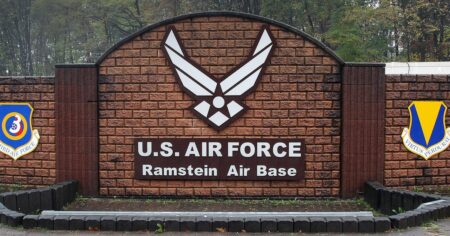
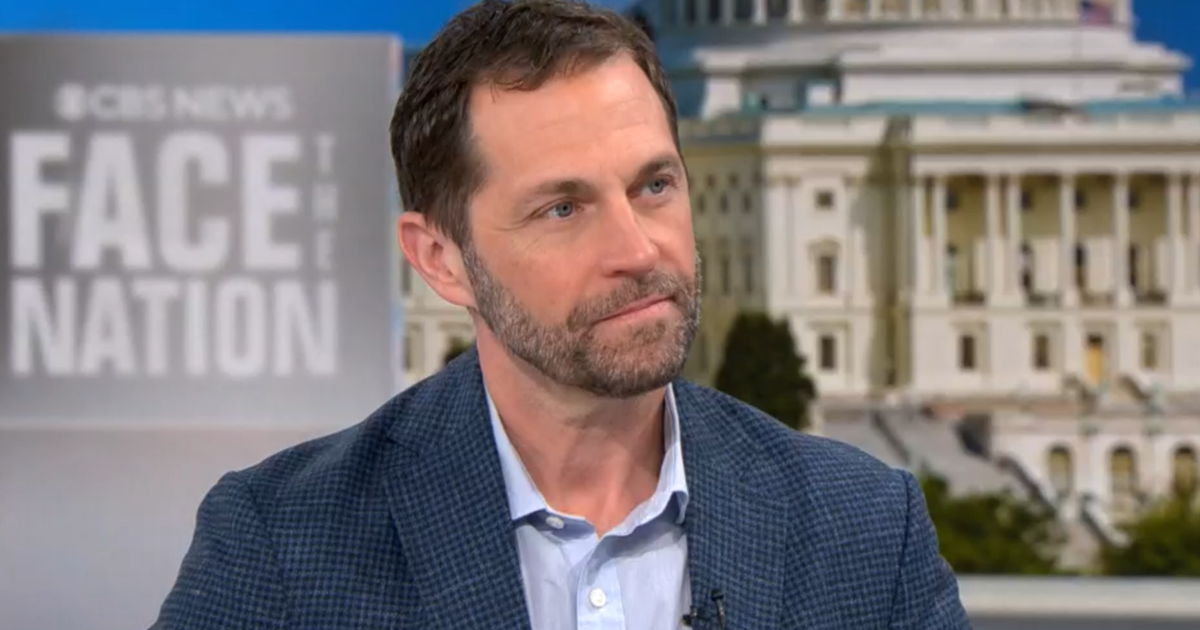
The United States finds itself embroiled in a conflict with Iran that has raised serious questions about intelligence accuracy and the decision-making process that led to military action. During a recent appearance on “Face the Nation,” Colorado Congressman Jason Crow, a Democratic member of the House Intelligence Committee, expressed concern that the Director of National Intelligence may have underestimated Iran’s missile capabilities. Just days before the interview, she had testified that Iran wouldn’t possess an intercontinental ballistic missile (ICBM) until 2035 at the earliest, yet Israel now reports that what appears to be an ICBM was fired at a joint U.S.-U.K. military base. This potential intelligence failure echoes the problematic assessments that preceded other American military engagements in the Middle East.
Congressman Crow, himself a military veteran, emphasized that acknowledging Iran as a threat is just the starting point of analysis, not the conclusion. The world is filled with adversaries—from North Korea’s Kim Jong Un to Russia’s Vladimir Putin—but the critical question isn’t whether threats exist, but rather how America chooses to respond to them. The current approach, according to Crow, lacks strategic clarity, an exit strategy, or any discernible off-ramp from escalating military commitments. This absence of planning has left both Congress and the American public in the dark about the ultimate objectives and expected duration of military operations against Iran.
The Staggering Cost of Conflict
The financial burden of this military engagement has been extraordinary and immediate. In just the first two weeks of warfare, the United States has spent approximately $20 billion—a rate of roughly $1.5 billion per day. To put this in perspective for ordinary Americans, the conflict has also driven up energy prices by an estimated $300 million daily, directly impacting household budgets across the country. These figures don’t account for the long-term economic consequences or the human cost measured in American service members’ lives and wellbeing. The terror threat against the United States and American citizens abroad has also intensified as a result of the conflict, creating additional security concerns that may require years to address.
The Pentagon’s funding requests have been inconsistent and concerning to congressional oversight committees. White House economic adviser Kevin Hassett initially suggested the war was proceeding ahead of schedule and wouldn’t require supplemental funding beyond existing appropriations. However, just days later, Defense Secretary Pete Hegseth acknowledged that the Pentagon might need as much as $200 billion in additional funds, with the caveat that “the number could move” and that “it takes money to kill bad guys.” This lack of clear budgeting and the cavalier attitude toward massive expenditures has alarmed fiscal watchdogs on both sides of the aisle. Congressman Crow pointed out that House Republicans had already provided the Department of Defense with a $150 billion “slush fund” as part of what he called “Donald Trump’s big, ugly bill” passed the previous summer, and the administration is now requesting a $1.5 trillion defense budget—all while the Department of Defense still cannot pass a basic financial audit or account for where all its resources are being spent.
Congressional Authority and Constitutional Questions
Perhaps the most troubling aspect of this military engagement, from Congressman Crow’s perspective, is the complete bypass of congressional authorization. The Constitution grants Congress, not the president, the power to declare war, yet this conflict began without any consultation with the legislative branch. Presidents do have authority to respond to imminent threats without prior congressional approval, but the administration has stopped even claiming that an imminent threat existed. This represents a significant constitutional problem and a dangerous precedent for future military actions. Congress, which represents the American people, has been systematically stonewalled and kept in the dark about operational details, strategic objectives, and timelines.
The absence of congressional involvement means the American people have been denied their rightful voice in deciding whether to send their sons and daughters into combat and whether to finance what could become another multi-trillion-dollar, decades-long military engagement in the Middle East. Congressman Crow emphasized that beyond the initial four to six weeks of operations, no timeline has been briefed or shared with congressional oversight committees. The administration’s refusal to provide information or seek proper authorization has created a situation where taxpayer money is being spent and American lives are being put at risk without democratic accountability. This echoes the troubling patterns established during the wars in Iraq and Afghanistan, which ultimately consumed 20 years and trillions of dollars without achieving clear, lasting strategic victories.
The Political Battle Over Military Funding
Congressman Crow has taken a firm stance against providing additional funding for what he calls an “unauthorized war.” Despite sitting on the House Armed Services Committee and being a veteran himself, he refuses to vote for hundreds of billions of dollars to perpetuate a conflict that lacks congressional authorization, public explanation, clear objectives, or an exit strategy. He anticipates that opponents will accuse Democrats of not supporting the troops—a familiar political attack—but he draws a clear distinction between supporting military families, service members, barracks conditions, and necessary defense capabilities versus funding an open-ended war without accountability. He guarantees that adequate funding exists within current Department of Defense appropriations to take care of troops and maintain necessary military readiness to protect America.
The congressman’s frustration with Pentagon financial management is palpable. The Department of Defense has repeatedly failed audits and cannot account for where all its equipment and funding actually goes. Despite this lack of basic financial accountability, the administration expects Congress to appropriate additional hundreds of billions of dollars for military operations. Crow argues this represents an irresponsible approach to both governance and stewardship of taxpayer resources. His position reflects growing bipartisan concern about endless military engagements in the Middle East and the need for greater strategic discipline in how America deploys its military might and allocates its defense budget.
The Domestic Consequences: Government Shutdown Politics
Adding to the complexity of this moment is a parallel crisis: a government funding shutdown that has left thousands of federal workers without paychecks. TSA agents at airports across the country, including Denver International Airport in Congressman Crow’s region, are working without pay during what should be a busy spring break travel season. Some airports have resorted to asking the public to donate gift cards to help TSA agents make ends meet—a striking image of government dysfunction. The shutdown stems from disagreements over immigration policy funding, specifically for Immigration and Customs Enforcement (ICE) and Customs and Border Protection (CBP).
Congressman Crow strongly pushes back against characterizations of this as a “Democratic shutdown,” pointing out that Senate Democrats proposed funding everything except ICE and CBP—including the Coast Guard, TSA, FEMA, and cybersecurity agencies—but every single Senate Republican voted against it. In the House, Democrats have introduced a clean bill that would force a vote to fund all agencies except the two immigration enforcement entities, but Republicans, who control the chamber, won’t even allow it to come to the floor for a vote. Crow emphasizes the particularly dangerous timing of defunding cybersecurity capabilities just as the United States has entered into a conflict with Iran, a nation with sophisticated cyber warfare capabilities that could target American infrastructure. Democrats, he insists, are ready to vote immediately to reopen the government and restore paychecks to thousands of workers, but Republicans who control all facets of government are blocking those votes for political leverage on immigration policy.
This combination of an unauthorized foreign war and domestic government dysfunction paints a picture of American governance at a crossroads, where constitutional processes are being bypassed, fiscal responsibility is being abandoned, and ordinary citizens—from TSA agents to military families to taxpayers facing higher energy costs—are bearing the consequences of political dysfunction and questionable strategic decisions.