


Airport Chaos: How Government Shutdown Created Travel Nightmares Across America
TSA Agents Bear the Brunt of Political Standoff
The ripple effects of political gridlock in Washington have transformed American airports into scenes of frustration and chaos. As Democrats and Republicans remain locked in a bitter standoff over immigration policy, hundreds of thousands of Transportation Security Administration (TSA) agents found themselves working without pay, creating a domino effect that has disrupted travel plans for countless Americans. The partial government shutdown, centered around disagreements over immigration reform, has left federal workers in an impossible position—expected to show up for work while their paychecks vanish into the political void. On Friday, TSA employees experienced the stark reality of this crisis when they missed their first full paycheck since the funding lapse began. This wasn’t just a bureaucratic delay or a minor inconvenience; it was a fundamental breach of the social contract between employer and employee, made all the more painful because the employer in question is the United States government. The human cost of this political chess game has become impossible to ignore, as workers tasked with keeping America’s airports safe found themselves unable to keep their own families fed and housed.
Mass Exodus: TSA Workers Reach Breaking Point
The consequences of unpaid labor have been swift and severe. According to exclusive data obtained by CBS News, more than 300 TSA employees have quit their jobs since the shutdown began—a staggering number that reflects the desperation facing federal workers. These aren’t people abandoning their posts on a whim; they’re individuals forced to make impossible choices between national service and personal survival. Even more troubling, call-out rates among TSA workers have more than doubled, meaning that even those who haven’t quit outright are increasingly unable to report for duty. The reasons are painfully obvious and entirely predictable: when you’re not being paid, you can’t afford gas to drive to work, and you need to spend your time finding ways to feed your family rather than screening passengers. This staffing crisis has created a vicious cycle—fewer agents mean longer lines, which mean more stressed workers, which leads to even more call-outs and resignations. The TSA, already stretched thin under normal circumstances, has found itself unable to maintain adequate staffing levels at airports across the country, transforming what should be routine security procedures into hours-long ordeals for travelers.
Perfect Storm: When Politics Meets Spring Break
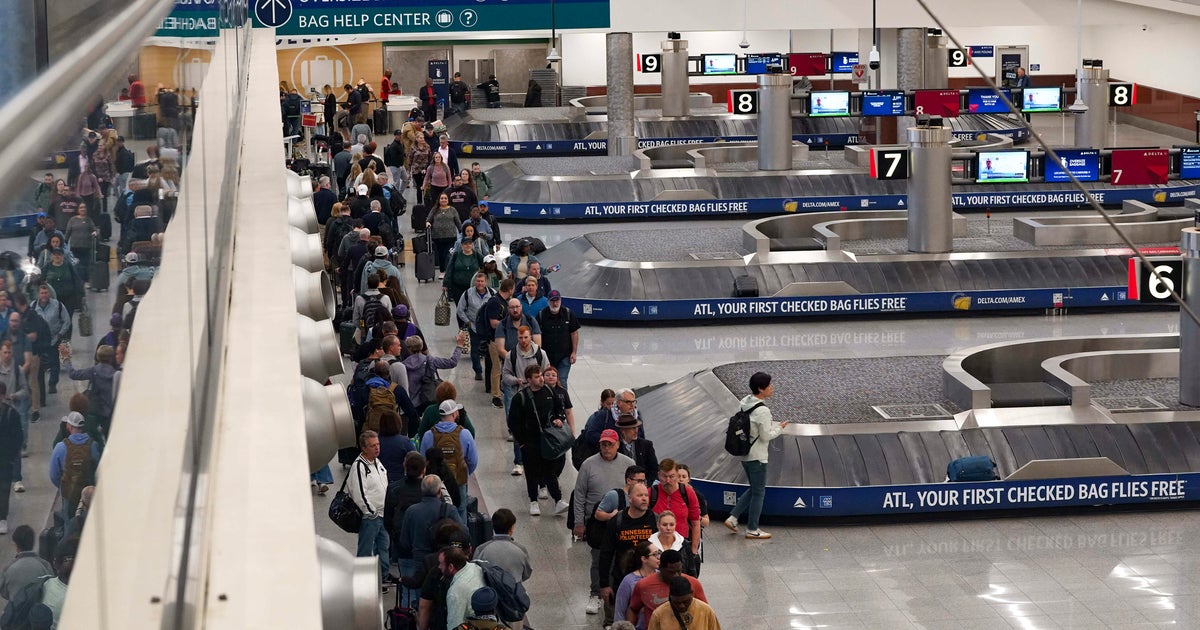
The timing of this shutdown couldn’t have been worse for American travelers. Over the weekend, airports across the nation experienced what can only be described as a perfect storm of travel disruption. In Minneapolis-Saint Paul, passengers faced a trifecta of challenges: spring break travel surges, an incoming winter storm, and critically understaffed TSA checkpoints. The result was exactly what you’d expect—long, snaking lines of frustrated travelers wondering when they’d finally reach their gates. Austin’s airport shared images on social media showing departure halls packed wall-to-wall with people, a visual testament to the chaos unfolding behind the scenes. But perhaps nowhere was the situation more dire than in Atlanta, where the screening checkpoint became so congested that wait times ballooned to nearly two hours at certain points. Imagine the stress: you’ve planned your vacation for months, you’ve got a plane to catch, and you’re standing in a line that barely moves, watching the clock tick down while wondering if you’ll miss your flight. For business travelers with tight connections, for families with small children, for elderly passengers with mobility issues, these delays weren’t just inconveniences—they were ordeals that transformed the already stressful experience of air travel into something approaching a nightmare.
Industry Leaders Sound the Alarm
The airline industry, watching its operations disrupted and its customers frustrated, has begun speaking out forcefully about the shutdown’s impact. Chris Sununu, who heads Airlines for America—a lobbying group representing major U.S. carriers—didn’t mince words when addressing the situation. “What else is more important than paying your own workers?” he asked, cutting straight to the heart of the matter. His message to politicians on both sides of the aisle was blunt and direct: “Have your political fights on the side, but don’t drag down the entire traveling American public because of it.” This sentiment resonated across the industry. On Sunday, CEOs of major airlines represented by Airlines for America sent a joint letter to Congress, demanding action after TSA officers received paychecks showing zero dollars in earnings. “That is simply unacceptable,” the executives wrote, their frustration evident in every word. They continued with a statement that should be obvious to anyone with basic empathy: “It’s difficult, if not impossible, to put food on the table, put gas in the car and pay rent when you are not getting paid.” These weren’t political activists or partisan operatives speaking—these were business leaders who generally prefer to stay out of Washington fights, driven to speak up because the shutdown was directly damaging their operations and, more importantly, harming thousands of hardworking Americans.
The Blame Game: Politicians Point Fingers While Workers Suffer
While TSA agents struggled to make ends meet and travelers waited in endless security lines, politicians in Washington engaged in the age-old tradition of pointing fingers at one another. Transportation Secretary Sean Duffy, appearing on Fox News, placed the blame squarely on Democrats, expressing his hope that they would “come to their senses, open up DHS” (the Department of Homeland Security, which oversees TSA). From the other side of the aisle, Democratic Senator Mark Warner offered what he framed as a compromise solution during an appearance on “Face The Nation.” His proposal: “If we can’t agree on ICE reforms, let’s pay everybody else, with the budget that the Republicans laid out.” In other words, if immigration enforcement remained the sticking point, why not fund everything else and keep that specific debate separate? President Trump joined the fray via social media, posting a message on Saturday thanking TSA agents for continuing to work without pay while simultaneously blaming Democrats for causing the shutdown that left them unpaid in the first place. The irony was apparently lost on no one except perhaps the politicians themselves—they were praising workers for sacrificing while doing nothing to end the sacrifice they were praising.
The Human Cost of Political Dysfunction
What this crisis ultimately reveals is a fundamental breakdown in how our government functions—or rather, how it fails to function. Behind every statistic about call-out rates and resignation numbers are real people facing real consequences. There’s the single parent TSA agent trying to explain to their kids why there’s less food in the house. There’s the officer deciding between filling the gas tank to get to work or keeping the heat on at home. There’s the veteran employee who spent years serving the public, now forced to visit a food bank for the first time in their life. Meanwhile, the traveling public—people who saved for months to afford a family vacation, business travelers trying to close important deals, students trying to get back to college—all found themselves paying the price for a political dispute they had no role in creating. The message sent by this shutdown is deeply troubling: that in modern America, political gamesmanship matters more than keeping promises, that federal workers can be treated as expendable pawns in partisan battles, and that the basic functioning of government is now perpetually hostage to whatever issue dominates the news cycle. Until politicians on both sides recognize that real governance means ensuring basic services continue regardless of policy disagreements, we can expect more of these crises—and more Americans, whether TSA agents or airline passengers, caught in the crossfire.