

Trump Administration Cuts $600 Million in HIV and STD Prevention Funding
Major Public Health Programs Face Termination
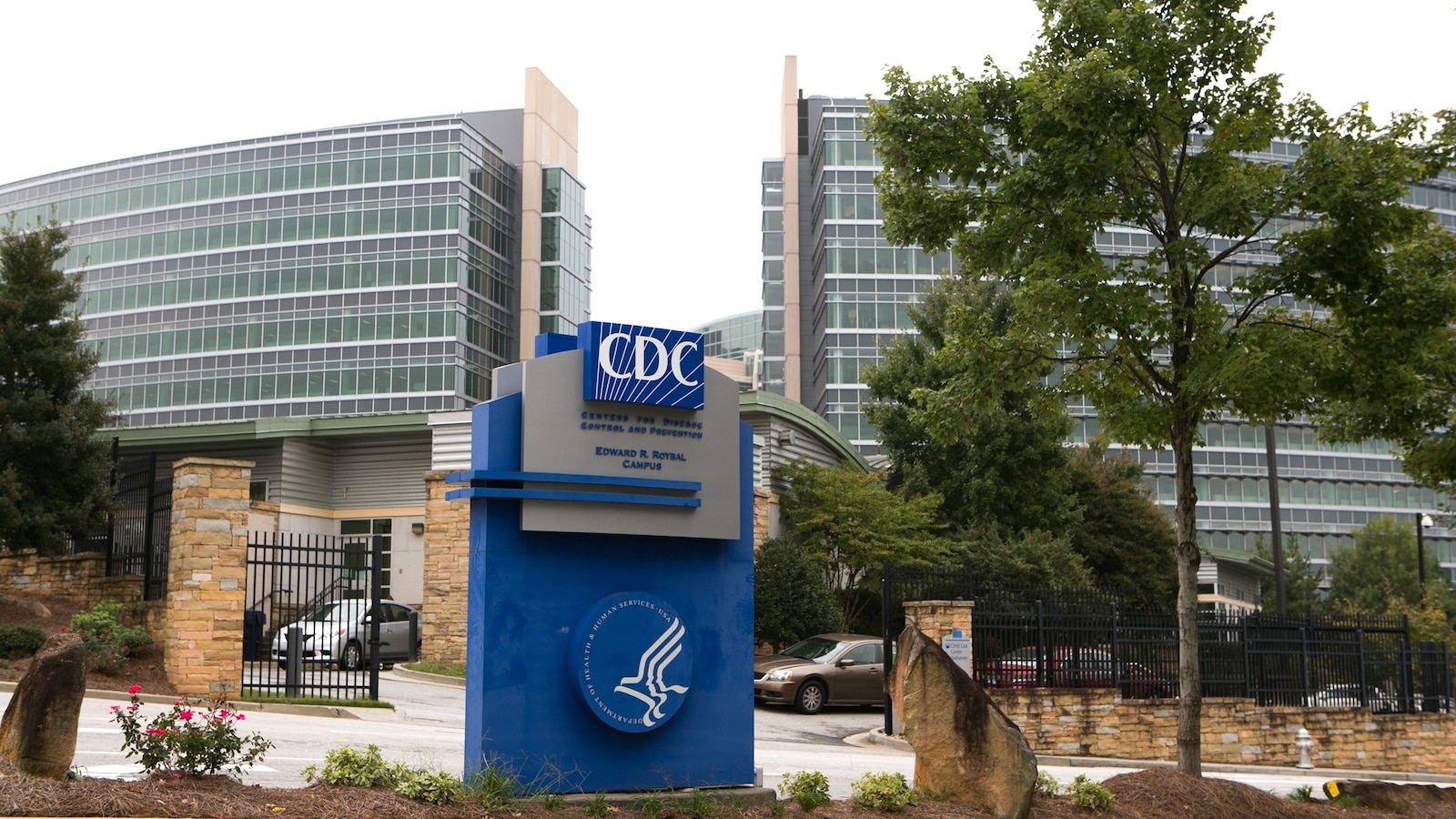
The Trump administration has announced the termination of $600 million worth of Centers for Disease Control and Prevention (CDC) grants that have been supporting critical HIV and sexually transmitted disease (STD) prevention programs, as well as HIV surveillance efforts across the United States. According to a Department of Health and Human Services spokesperson who spoke with ABC News, these significant cuts will primarily affect public health funding in four states: California, Colorado, Illinois, and Minnesota. The administration’s justification for these drastic cuts is that the programs “do not reflect agency priorities,” a statement that has raised concerns among public health advocates and officials who have spent decades building these programs to combat the spread of infectious diseases.
The grants being terminated have been supporting a wide range of organizations and institutions, including state and local health departments, hospitals, universities, and non-governmental organizations that work directly with at-risk populations. Some specific examples of the affected funding paint a picture of just how comprehensive these cuts are: Los Angeles County will lose $1.1 million designated for HIV surveillance programs that track the spread of the disease; Lurie Children’s Hospital of Chicago is losing $5.2 million that was being used to increase the use of HIV pre-exposure prophylaxis (PrEP) among Black cisgender women, a population that faces disproportionate risk; and the city of Chicago will lose $7 million in funding for studying populations that are most severely affected by STDs. These aren’t just numbers on a spreadsheet—they represent real programs that have been making a tangible difference in people’s lives and helping to control the spread of serious diseases.
Administration’s Rationale and History of Similar Cuts
A spokesman from the Office of Management and Budget provided additional context for the decision, claiming that the CDC cuts specifically target states with what they call a “history of fraud and mismanagement.” However, this isn’t the first time the Trump administration has moved to reduce federal funding for HIV-related programs. Back in March 2025, the National Institutes of Health canceled funding for dozens of HIV-related research grants, signaling a broader pattern of deprioritizing this area of public health. Additionally, sources told ABC News last year that the administration had reportedly been considering a plan to completely eliminate the CDC’s Division of HIV Prevention, though that particular proposal hasn’t been implemented yet. These repeated efforts to cut funding suggest this isn’t an isolated decision but rather part of a larger policy direction that fundamentally shifts how the federal government approaches HIV and STD prevention.
The timing and nature of these cuts have left many public health officials and researchers scrambling. The offices of California Governor Gavin Newsom and Colorado Governor Jared Polis both told ABC News on Tuesday night that they had received no formal notice from the White House or federal government regarding the cancellation or termination of any funding. A spokesperson for Governor Newsom’s office said the state would “respond appropriately” when the administration officially takes action, while a spokesperson for Governor Polis’ office emphasized that the governor “is committed to continuing to fight for Coloradans and the best interest of the state, which includes working with the federal administration when we can, as we have done with every administration.” This lack of formal communication has added to the confusion and concern surrounding these sudden funding terminations.
The Impact on Decades of Progress
Matthew Rose, who serves as senior public policy advocate at the Human Rights Campaign—a prominent LGBTQ+ advocacy group—expressed deep concern that cutting public health funding could pause or even reverse the hard-earned gains that have been made against the spread of HIV in the United States over the past several decades. The progress that’s been achieved is truly remarkable: annual HIV infections in the U.S. have fallen by more than two-thirds since the height of the HIV/AIDS epidemic in the mid-1980s, according to the federal Minority HIV/AIDS Fund. This dramatic improvement has been the result of earlier detection methods, better treatments, and comprehensive prevention programs—exactly the kind of work that these terminated grants have been supporting.
Rose emphasized just how critical this moment is for HIV prevention work, telling ABC News: “Getting people to engage in prevention work is some of the hardest work we do, but it is so meaningful, and we are on the precipice of truly transforming the way that prevention has happened. So we’ve done it in all the ways we’ve asked for. We created new technologies, we’ve done programmatic working efforts, we’ve drilled down into those most effective programming, and then they’re like, ‘No, let’s pull up all the roots.'” His frustration reflects a broader sentiment among public health workers who have spent years building trust with vulnerable communities, developing innovative approaches, and seeing real results from their efforts. The federal funding that’s now being cut has helped lead to better detection tools, better treatments, and better prevention methods that have given people more options than ever before in protecting themselves from HIV.
Contradictions in Federal Policy
Rose pointed out what many see as a glaring contradiction in the administration’s approach: President Donald Trump himself launched a program in 2019 with the ambitious goal of ending the HIV epidemic in the United States by 2030. How can the federal government work toward ending HIV while simultaneously terminating hundreds of millions of dollars in grants that support exactly that mission? This apparent inconsistency has left many researchers, healthcare providers, and advocates confused about the administration’s actual priorities. The advances made in recent years have been extraordinary—Rose noted that researchers have developed prevention methods that would have seemed impossible just a few decades ago. “We’re finding ways to give people more options than they’ve ever had before,” Rose said. “We’ve gotten to the point where you can now get a shot twice a year to prevent HIV, which is insane if you ask someone in the ’90s what they would have done for something like that.” These innovations didn’t happen by accident—they were the result of sustained investment, research, and programs exactly like those now facing termination.
The Uncertain Future of HIV Prevention Funding
Looking ahead, Rose acknowledged that researchers and organizations can potentially turn to private donors and other organizations for alternative funding sources, but he emphasized that it will likely not be enough to fill the massive gap left behind by the federal government’s withdrawal. The scale of federal investment in HIV prevention and research is simply too large for private sources to replace entirely. “You’re looking at HIV funding in the United States, you’re looking at billions of dollars getting spent on HIV,” he explained. “None of the other HIV organizations and private companies have that kind of money to put into that kind of space. Even if the private institutions do what they can, they can’t make up for that gap that we worked so hard for that federal money to do.” This funding gap threatens not just individual programs but the entire infrastructure that has been built over decades to combat HIV and other sexually transmitted diseases. Organizations have worked for years to convince the general public that providing better health care for HIV patients results in better health care for the general population, and advocates like Rose fear losing that progress and the public trust that took so long to build.