


Trump Administration Takes Legal Action Against Harvard Over Alleged Antisemitism
Federal Lawsuit Targets Elite University’s Treatment of Jewish Students
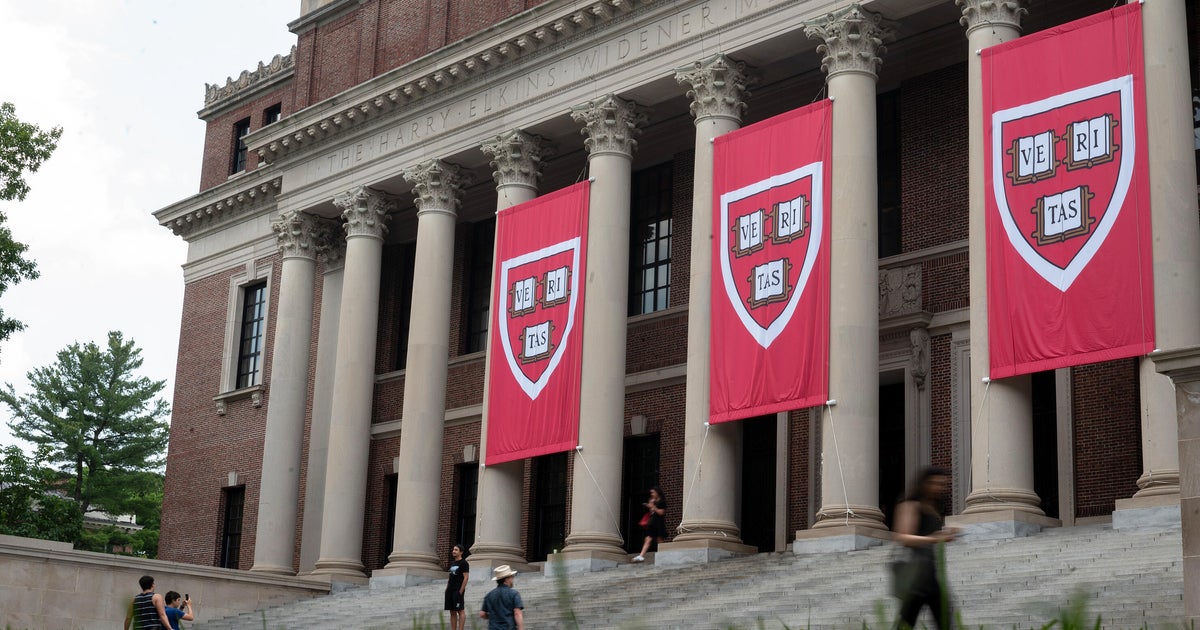
The Trump administration has escalated its ongoing conflict with Harvard University by filing a comprehensive federal lawsuit that accuses the prestigious institution of systematically failing to protect Jewish and Israeli students following the Hamas terror attack on October 7, 2023. This legal action, filed on a Friday in Washington, represents the latest and perhaps most aggressive move in what has become an increasingly contentious relationship between the federal government and one of America’s most renowned educational institutions. The 44-page complaint filed with the U.S. District Court for the District of Massachusetts doesn’t pull any punches, alleging that Harvard violated federal civil rights law through what government lawyers characterize as deliberate indifference to harassment and discrimination. What makes this lawsuit particularly significant is not just the serious nature of the allegations, but also the financial stakes involved—the Justice Department is seeking to recover billions of dollars in taxpayer funds that Harvard has received from various federal agencies over recent years. This legal filing comes as part of a broader campaign by the Trump administration to hold universities accountable for what it perceives as inadequate responses to antisemitism on college campuses across the nation.
The Heart of the Allegations: Discrimination and Hostile Environment
At the core of the Justice Department’s lawsuit lies a damning accusation: that Harvard University knowingly allowed Jewish and Israeli students to endure what officials describe as “severe, pervasive and objectively offensive harassment” without taking adequate steps to protect them or stop the behavior. According to the administration’s legal team, this harassment occurred prominently during protests against Israel that took place on Harvard’s campus following the October 7th terror attack. The government’s position is that Harvard didn’t just fail to act—it actively chose not to enforce its own campus rules and regulations when the victims happened to be Jewish or Israeli students, even though it enforced those same rules against other groups in different circumstances. This selective enforcement, the lawsuit argues, sent a clear and disturbing message to Harvard’s Jewish and Israeli community that their safety and dignity were not priorities for the university administration. Government lawyers wrote pointedly that “Harvard remained deliberately indifferent to a level of hostility on its campus so well-known across the nation that members of Congress were writing about it,” suggesting that the problems were so obvious and widespread that they attracted national attention and concern from federal lawmakers. The administration characterizes Harvard’s response—or lack thereof—as intentional discrimination rather than mere oversight, arguing that Jewish and Israeli students were being systematically excluded and effectively denied equal access to educational opportunities that other students enjoyed.
Harvard Pushes Back: Defending Its Record and Actions
Harvard University has not taken these serious allegations lying down, responding through a spokesperson with a vigorous defense of its actions and a counter-accusation that the Trump administration’s lawsuit is motivated by retaliation rather than genuine concern for student welfare. The university maintains that it has “taken substantive, proactive steps to address the root causes of antisemitism and actively enforces anti-harassment and anti-discrimination rules and policies on campus.” This response suggests that Harvard believes it has been working diligently to combat antisemitism and protect all students, including those who are Jewish or Israeli. More significantly, Harvard’s spokesperson characterized the lawsuit as “yet another pretextual and retaliatory action by the administration for refusing to turn over control of Harvard to the federal government.” This pointed language reveals how the university views this legal battle—not as a good-faith effort to protect students, but as punishment for Harvard’s refusal to bow to federal pressure and surrender its institutional autonomy. The university has committed to continuing what it describes as its important work addressing antisemitism while simultaneously defending itself against what it clearly views as an unjustified and politically motivated lawsuit. This response sets the stage for what promises to be a contentious legal battle with implications that extend far beyond Harvard’s campus.
A Pattern of Conflict: The Trump Administration’s Multi-Front Battle
The lawsuit against Harvard represents just one front in what has become a comprehensive campaign by the Trump administration against the university since the president returned to office. The federal government has attempted multiple times to cancel billions of dollars in federal funding to Harvard, specifically citing the university’s alleged failure to adequately address antisemitism on its campus. However, these efforts have met with mixed success in the courts—last September, a federal judge ruled that the government had actually violated Harvard’s First Amendment rights and federal law when it halted nearly $2 billion in federal grants. This judicial setback didn’t deter the administration from pursuing other avenues of pressure. President Trump has personally pushed the Internal Revenue Service to strip Harvard of its tax-exempt status, a move that would have enormous financial implications for the university and could fundamentally alter how it operates. Additionally, the administration moved to bar most international students from traveling to the United States to study at Harvard, though a judge blocked that effort as well. These various attempts to pressure Harvard demonstrate the administration’s determination to use whatever tools are available to force changes at the university, though the repeated judicial interventions suggest that courts have concerns about the legality and constitutionality of some of these approaches.
The Investigation and Its Findings: Title VI Violations
The current lawsuit didn’t emerge from nowhere—it follows a formal investigation that the Trump administration opened into Harvard’s compliance with Title VI of the Civil Rights Act in April of the previous year. This investigation, which focused specifically on how Harvard treated Jewish and Israeli students, concluded by June that the elite institution had indeed violated federal civil rights law. The determination that Harvard had broken the law came with a warning: unless the university enacted certain specific changes to address these violations, it would face the loss of federal financial resources. Given that Harvard is set to receive more than $2.6 billion through federal grants from the Department of Health and Human Services alone, according to Justice Department figures, this threat represented enormous financial pressure. The investigation and its findings provided the legal foundation for the lawsuit that followed, giving the administration’s case a documented basis rather than relying solely on anecdotal evidence or political claims. This methodical approach—investigation, determination of violations, warning, and then lawsuit—suggests a deliberate strategy by the administration to build a legal case that might withstand judicial scrutiny, having learned perhaps from its earlier setbacks in court.
Beyond Antisemitism: Broader Targets and Wider Implications
While much of the Trump administration’s focus on Harvard has centered on allegations of antisemitism and failure to protect Jewish students, the government’s concerns with the university extend into other areas that reveal a broader ideological agenda. The administration has also taken aim at Harvard’s admissions practices and hiring policies, suggesting that its issues with the university go beyond the specific question of how it handled antisemitism after October 7th. This broader targeting raises questions about whether the antisemitism allegations, serious as they are, are part of a larger effort to reshape elite universities’ policies across multiple domains. The implications of this case extend far beyond Harvard itself—other universities are watching closely to see how this legal battle unfolds, knowing that they too could face similar federal action if the Trump administration prevails. The case raises fundamental questions about the relationship between federal funding and institutional autonomy, about how universities should balance competing claims and protests on campus, and about the extent to which the federal government can and should intervene in the internal operations of private universities. As this lawsuit proceeds through the courts, it will likely become a defining case for understanding the boundaries between government oversight, civil rights enforcement, and academic freedom in an era of intense political polarization and campus controversy. The outcome could reshape higher education policy for years to come, determining how universities must respond to campus conflicts and what level of federal intervention is legally permissible when taxpayer dollars are involved.