


Trump Administration Proposes Controversial Makeover for Historic Washington Building
A Bold Plan to Transform a Landmark
The Trump administration has unveiled an ambitious and controversial proposal that would dramatically alter the appearance of one of Washington D.C.’s most recognizable landmarks. President Trump has submitted architectural plans to paint the historic Eisenhower Executive Office Building completely white, a move that would fundamentally change the character of the 136-year-old structure that has stood beside the White House since 1888. The building, which currently displays a distinctive slate-gray exterior, houses crucial government offices including the National Security Council and provides workspace for numerous members of the presidential team. This proposal represents one of the most significant proposed changes to the visual landscape of America’s seat of power in recent memory, and it has already begun generating debate among historians, architects, and preservation advocates who question whether such a dramatic transformation is appropriate for a building with such historical significance.
The Building’s History and Current Role
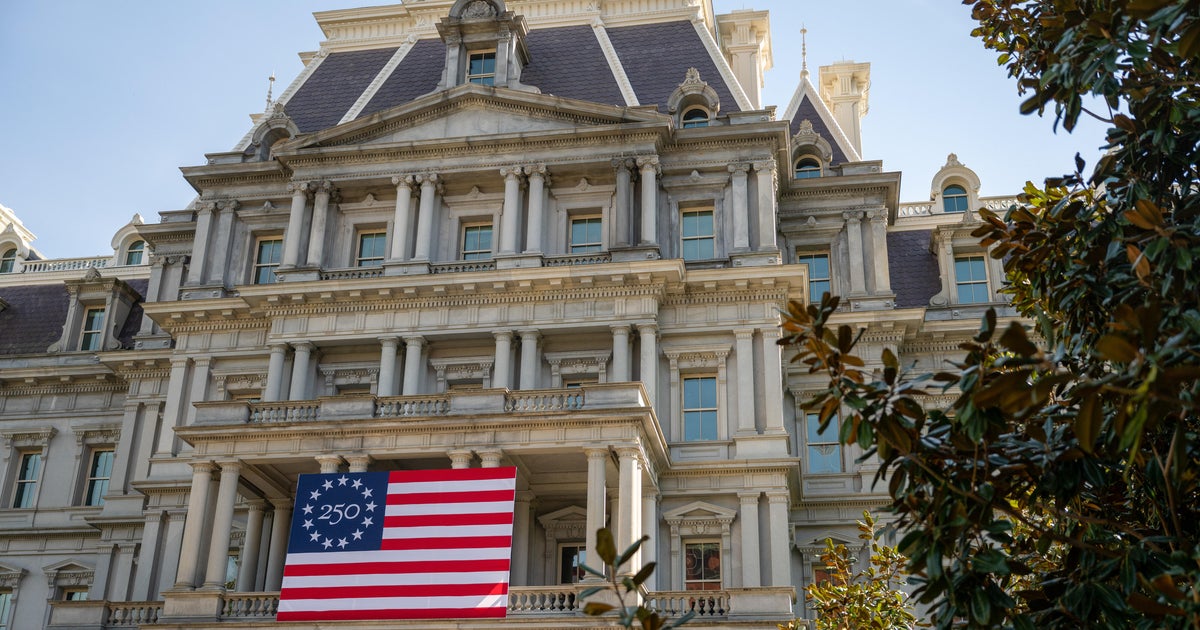
The Eisenhower Executive Office Building is an architectural treasure that embodies the grandeur of French Second Empire style, a design movement popular in the late 19th century that emphasized ornate decoration, mansard roofs, and imposing scale. Completed in 1888, the structure has witnessed more than a century of American history, serving as a workspace for countless government officials who have shaped national and international policy. Located just across a driveway from the West Wing of the White House, the building’s proximity to the center of executive power makes it one of the most important structures in the federal government complex. Its gray stone facade has become an iconic part of Washington’s architectural landscape, representing a different era of American building design that contrasts with the neoclassical white structures that dominate much of the capital. The building’s current occupants include the National Security Council, whose members work on some of the most sensitive and important foreign policy and defense matters facing the nation, making this not just a historic building but a functioning nerve center of American government.
The Administration’s Justification for Change
The proposal submitted by President Trump’s team makes several arguments for why this dramatic change should be undertaken. According to the plans presented to Washington’s architectural advisory board, the administration characterizes the Eisenhower Executive Office Building as an “eyesore” that has faced criticism throughout its existence and has suffered from neglect and deterioration over the decades since its construction. The proposal specifically argues that “the color, design, and massing of the existing structure does not align visually with the surrounding architecture and lacks any symbolic cohesion with the White House.” This language suggests that the administration views the building’s distinctive appearance not as a valuable contrast but as a visual problem that disrupts the aesthetic unity of the presidential complex. The plans also point to practical maintenance concerns, documenting various cracks and signs of exterior deterioration that have accumulated over the years. The administration argues that painting the stone white would actually solve long-standing maintenance challenges, stating that “the benefit to painting the stone is that it is repeatable.” The proposal further contends that previous efforts to maintain the building’s original stone appearance have been plagued by difficulties in achieving consistent coloring, and that these problems will continue indefinitely unless a new approach is adopted through comprehensive painting of the entire exterior.
The Renderings and Visual Impact
To illustrate their vision, the Trump administration has included computer-generated renderings showing what the transformed building would look like with a white exterior. These images depict a structure that would blend much more seamlessly with the White House itself, creating a more unified visual appearance for the entire presidential complex. The renderings show how the building’s ornate architectural details—its columns, cornices, and decorative elements—would remain intact but would be rendered in uniform white rather than the varying shades of gray that currently characterize the stone facade. This visual transformation would undoubtedly create a more cohesive appearance when viewing the buildings together, supporting the administration’s argument about achieving better “symbolic cohesion.” However, these same renderings also reveal what would be lost: the building’s distinctive character as a representative of a different architectural era and style. The current gray stone gives the structure a weight and gravitas that reflects its Second Empire origins, a quality that would be fundamentally altered by the application of white paint. The question implicit in these renderings is whether architectural harmony and ease of maintenance should take precedence over historical authenticity and the preservation of diverse architectural styles within the capital.
The Review Process and What Comes Next
The proposal has been formally submitted to the Commission of Fine Arts, an important federal advisory body that provides guidance on matters related to public architecture, art, and design throughout Washington D.C. This commission, currently composed of Trump appointees, will hear a formal presentation on the painting plan on April 16, at which point they will have the opportunity to ask questions, raise concerns, and ultimately provide their recommendation on whether the project should proceed. While the Commission of Fine Arts serves in an advisory capacity rather than holding direct veto power, their opinions carry significant weight in decisions affecting the capital’s architectural heritage. The fact that the current commission members were appointed by President Trump could influence the outcome, though commission members typically take their responsibility to preserve Washington’s architectural character seriously, regardless of political considerations. The review process will likely include consideration of historical preservation standards, the building’s status as a contributing structure to historic districts, and broader questions about the appropriate balance between maintenance practicality and historical authenticity. Public comment and input from architectural historians, preservation organizations, and other stakeholders may also factor into the commission’s deliberations.
The Broader Implications and Debate
This proposal raises fundamental questions that extend far beyond the fate of a single building, touching on how we as a society value architectural diversity, historical authenticity, and the visual character of our most important civic spaces. The debate over painting the Eisenhower Executive Office Building white reflects tensions between different visions of what our national capital should represent. Should Washington present a unified, cohesive architectural appearance that emphasizes harmony and continuity, or should it preserve buildings that represent different historical periods and architectural movements, even when they create visual contrasts? The administration’s argument that the building has “long been criticized” raises questions about whether widespread acceptance should be required for historic buildings to remain unaltered, or whether distinctive architecture should be preserved precisely because it represents periods and styles that may have fallen out of favor. The maintenance arguments presented in the proposal also deserve serious consideration—if the current stone facade genuinely cannot be properly maintained in its original condition, then painting might be viewed as a form of preservation rather than destruction. However, critics would likely argue that proper historic preservation requires finding ways to maintain original materials and appearances, even when doing so presents challenges and requires greater expense. This debate ultimately reflects competing values: efficiency and visual harmony on one side, historical authenticity and architectural diversity on the other. As the April 16 hearing approaches, this proposal will likely generate increased attention from those who care deeply about how America’s capital city presents itself to citizens and to the world, making this seemingly simple question about paint color into a much more profound discussion about heritage, preservation, and national identity.