
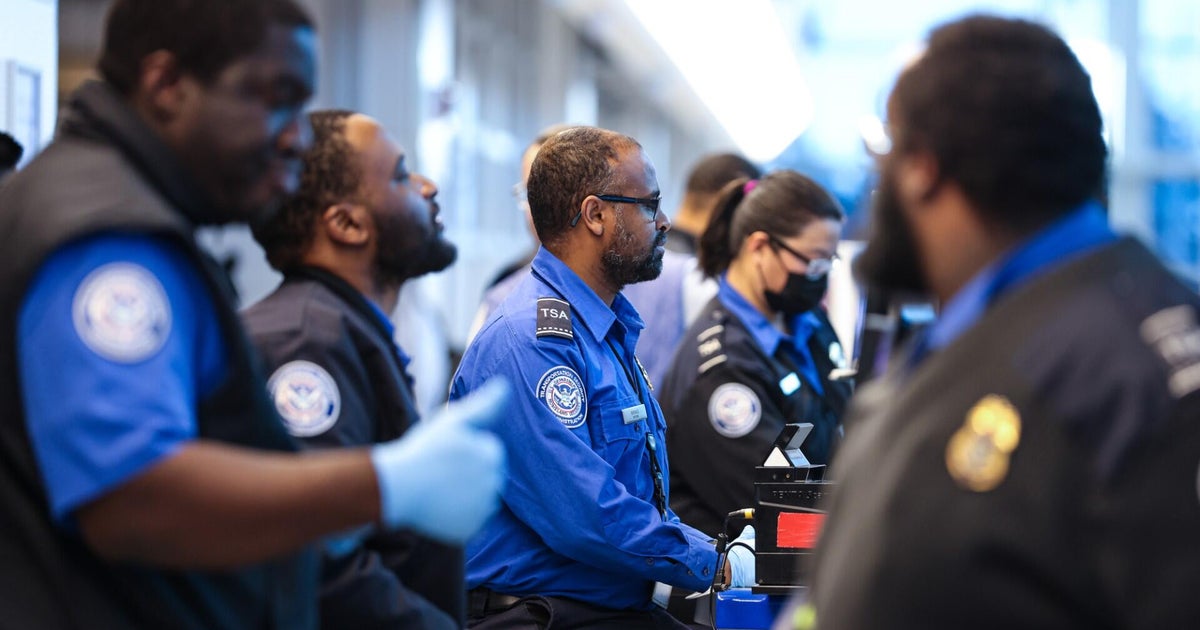

TSA Agents Face Mounting Pressure as Government Shutdown Continues Without Pay
President Trump’s Message to Unpaid Workers
During an ongoing partial government shutdown that has left thousands of federal workers without paychecks, President Trump took to social media to address Transportation Security Administration (TSA) agents who continue reporting to work despite not receiving compensation. In his Saturday post, the President expressed gratitude to these essential workers while simultaneously placing blame on what he termed “the radical left” for refusing to honor a deal that he claimed had been approved and voted on in Congress. His message to TSA agents carried both appreciation and a call to duty: “Keep fighting for the USA. GO TO WORK! I promise that I will never forget you!!!” This statement came at a particularly critical moment, just hours after TSA agents missed their first full paycheck on Friday, marking a significant financial blow to thousands of families who depend on these incomes to meet their daily needs and long-term obligations.
The Growing Crisis Within TSA Ranks
The human cost of the shutdown has become increasingly apparent as approximately 50,000 transportation security officers continue working without pay since the Department of Homeland Security funding lapse began on February 14. The situation has deteriorated rapidly, with CBS News reporting that unscheduled absences among airport security officers have more than doubled since the shutdown began. Perhaps even more alarming is that more than 300 TSA employees have completely left the agency during this period, choosing to seek employment elsewhere rather than continue working without compensation. Department of Homeland Security officials have expressed deep concern that the longer this shutdown persists, the greater the likelihood that even more TSA employees will depart, creating staffing shortages that could extend well beyond the immediate crisis and potentially compromise airport security for months or even years to come.
Personal Stories of Financial Hardship
Behind the statistics are real people facing genuine financial emergencies. One TSA officer speaking to CBS News Atlanta painted a desperate picture of the situation facing thousands of their colleagues: “Our kids, our families, houses — everything is at stake at this moment. We are literally drowning in silence, and the world doesn’t even know it.” This powerful statement captures the profound anxiety and financial stress experienced by workers who must choose between abandoning their posts or continuing to work while bills pile up, mortgages go unpaid, and families struggle to put food on the table. These are not highly compensated executives with substantial savings to fall back on; these are working-class Americans living paycheck to paycheck, for whom a single missed payment can trigger a cascade of financial problems including late fees, damaged credit scores, potential evictions, and the inability to afford basic necessities like groceries and medical care.
Operational Impact on Airport Security
The staffing crisis has had immediate and visible consequences for travelers across the United States. Dozens of airports throughout the country have reported significantly longer lines at security checkpoints as reduced staffing levels struggle to process the normal volume of passengers. The situation became so severe at Philadelphia International Airport that TSA officials made the unprecedented decision to temporarily close one entire security checkpoint on Thursday. Similarly concerning reports emerged from Houston Hobby Airport and New Orleans airports last weekend, where passengers faced extended wait times that in some cases caused travelers to miss their flights. These operational disruptions represent not merely inconveniences but potential economic impacts on airlines, airports, and the broader travel industry, while also raising questions about whether security screening can maintain its thoroughness and effectiveness when conducted by an overworked, understaffed, and financially stressed workforce.
Rising Tensions and Violence at Checkpoints
The mounting pressure on both TSA agents and frustrated travelers has occasionally boiled over into confrontations, including at least one incident that resulted in federal criminal charges. Federal prosecutors charged Idress Vinay Solomon, a 33-year-old man from Oakland, California, with assaulting a federal officer after an alleged violent incident at Dallas Love Field airport earlier in the week. According to the U.S. Attorney’s Office for the Northern District of Texas, Solomon allegedly punched both TSA officers and Dallas police officers after failing an identity check at the security checkpoint. U.S. Attorney Ryan Raybould issued a strong statement condemning the attack: “Violent conduct perpetrated against TSA and law enforcement officers will never be tolerated in the Northern District of Texas. We will prosecute such offenses to the fullest extent to seek justice for the victims here and to deter others from resorting to aggressive attacks against officers responsible for ensuring the public’s safety while traveling.” While it remains unclear whether the shutdown contributed to this particular incident, the combination of stressed security officers working without pay and frustrated travelers facing long delays creates an environment ripe for conflict.
Broader Implications and Uncertain Future
As the shutdown continues with no clear resolution in sight, the situation facing TSA agents represents a microcosm of the broader impact that government funding lapses have on essential workers and public services. The expectation that tens of thousands of security officers will continue performing critical safety functions without compensation raises fundamental questions about the sustainability of such arrangements and the long-term consequences for government recruitment and retention. Even when the shutdown eventually ends and back pay is issued, the damage to morale, the loss of experienced personnel who sought employment elsewhere, and the erosion of trust between workers and their employer may take years to repair. Furthermore, the precedent being set—that essential workers can be required to work indefinitely without pay during political disputes—may have implications for future shutdowns and the willingness of qualified individuals to pursue careers in federal service. The TSA agents who continue reporting to airport security checkpoints despite missing paychecks demonstrate remarkable dedication to public safety, but as one officer’s desperate plea indicated, they are “drowning in silence” while shouldering an unfair burden created by political dysfunction. The ultimate resolution of this crisis will require not only ending the current shutdown but also addressing the systemic issues that allow such situations to occur and considering reforms that protect essential workers from being used as pawns in budget negotiations.