


President Trump to Address Nation Following Dramatic Rescue Mission in Iran
Historic Military Operation Saves Stranded Airman
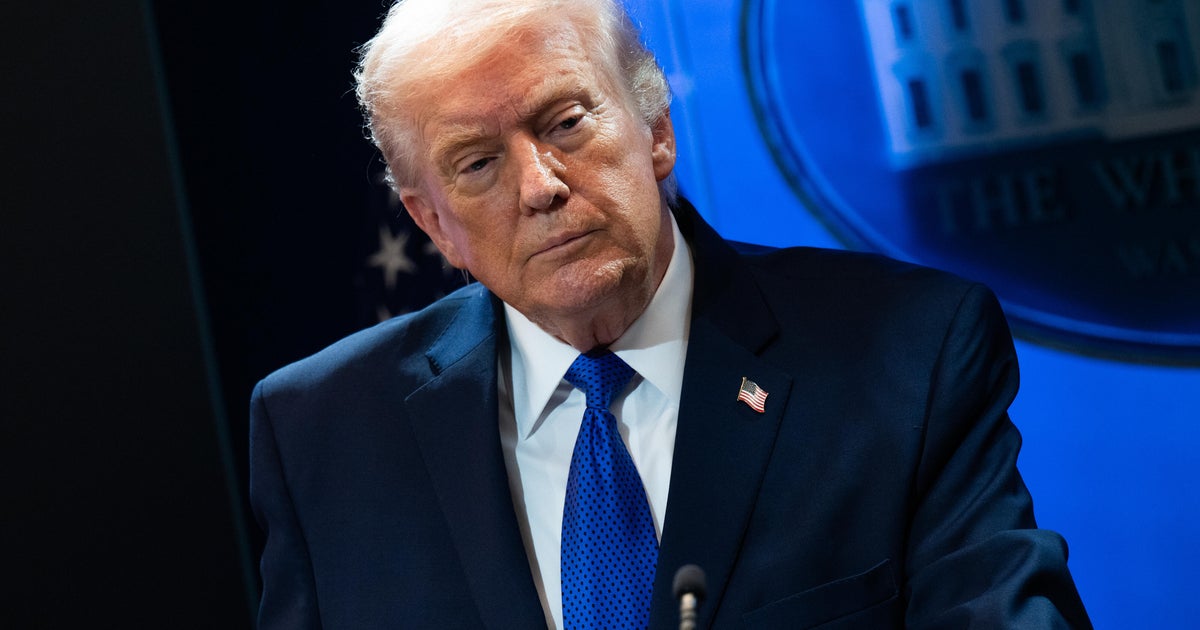
President Trump is preparing to address the American people at 1 p.m. Eastern Time on Monday from the White House, following what military officials are calling one of the most daring rescue operations in recent U.S. military history. The press conference comes on the heels of a complex mission that successfully extracted a U.S. weapons systems officer who had been stranded deep within Iranian territory after his F-15E fighter jet was shot down by Iranian forces on Friday. The rescue effort, which involved an unprecedented deployment of military resources including over 150 aircraft and more than 200 munitions, represents a significant moment in the escalating tensions between Washington and Tehran. Speaking briefly at the White House Easter egg roll Monday morning, the president praised the bravery of both crew members, saying “those two pilots were incredible, brave and we thank them,” while hinting at the remarkable details that would emerge during his formal news conference later in the day.
The initial incident occurred Friday when Iranian forces successfully targeted and downed an American F-15E fighter jet operating in the region. While the pilot was quickly located and rescued on the same day—an operation that itself required spending seven hours over Iranian airspace in broad daylight—the second crew member, a colonel serving as the weapons systems officer, remained missing somewhere in Iran’s treacherous mountain ranges. For nearly two days, the airman’s fate remained uncertain as military planners worked around the clock to devise a rescue strategy. The officer’s situation was particularly precarious, as he was armed only with a standard-issue handgun for self-defense while evading potential capture in hostile territory. President Trump announced early Sunday morning that the missing airman had been successfully rescued, later revealing that the officer had been found “deep inside the mountains in Iran,” a location that presented extraordinary challenges for the rescue team.
Unprecedented Scale of Military Response
The scope and complexity of the rescue operation cannot be overstated, according to military officials who spoke with CBS News about the mission. The deployment of more than 150 aircraft represents one of the largest aerial operations the United States has conducted in the region in years, demonstrating both the military’s commitment to leaving no service member behind and the serious risks involved in such an undertaking. The use of over 200 munitions suggests that rescue forces encountered significant resistance or needed to suppress potential threats along the route and at the extraction point. President Trump emphasized the extraordinary nature of the operation in a Truth Social post announcing the news conference, noting that “this type of raid is seldom attempted because of the danger to ‘man and equipment.’ It just doesn’t happen!” The president drew particular attention to the courage displayed during both rescue operations—first extracting the pilot in daylight hours while spending seven hours over Iranian territory, then mounting the even more dangerous second mission to retrieve the weapons systems officer from deep within mountainous terrain. Military analysts have pointed out that such operations require split-second coordination, exceptional piloting skills, precise intelligence, and a willingness to accept substantial risk to both personnel and expensive military equipment.
Escalating Tensions and Ultimatums
While celebrating the successful rescue mission, President Trump has simultaneously intensified pressure on Iran through increasingly aggressive rhetoric and explicit threats to the country’s civilian infrastructure. Shortly after announcing Monday’s news conference, the president posted another message threatening to destroy Iranian power plants, bridges, and other critical infrastructure if Tehran does not agree to reopen the Strait of Hormuz, the vital waterway through which roughly one-fifth of the world’s oil supply passes. The president has set a deadline of Tuesday at 8 p.m. Eastern Time for Iran to comply with his demands, warning in a profanity-laced post that “Tuesday will be Power Plant Day, and Bridge Day, all wrapped up in one, in Iran.” His language left little ambiguity about his intentions: “There will be nothing like it!!! Open the F*****’ Strait, you crazy bastards, or you’ll be living in Hell — JUST WATCH!” These statements represent a significant escalation in both tone and substance, as previous U.S. presidents have typically avoided explicit threats against civilian infrastructure, which could have devastating humanitarian consequences and potentially violate international norms regarding warfare.
At the Easter egg roll event Monday morning, the president elaborated on his strategy, telling reporters and attendees that “we are obliterating their country.” He expressed frustration that Iranian leadership has refused to capitulate to American demands, saying “they just don’t want to say uncle,” before adding confidently, “But they will. And if they don’t, then they’ll have no bridges, they’ll have no power plants, they’ll have no anything.” This rhetoric suggests a willingness to dramatically expand the current conflict beyond military targets to include the infrastructure that millions of Iranian civilians depend on for basic necessities like electricity, transportation, and communication. Such actions would represent a significant departure from recent U.S. military doctrine, which has generally emphasized precision strikes on military and government targets while seeking to minimize civilian impact, even when engaged with adversarial regimes.
Diplomatic Efforts Amid Military Pressure
Despite the aggressive military posturing and inflammatory rhetoric, President Trump has suggested to reporters that diplomatic solutions remain possible, with various channels of communication still active between Washington and Tehran, either directly or through intermediary nations. The president has indicated he is considering a proposal put forward by Pakistan for a 45-day ceasefire that would allow for the reopening of the Strait of Hormuz while potentially creating space for broader negotiations. This suggestion of openness to diplomatic compromise stands in stark contrast to his public threats, revealing a complex strategy that appears designed to pressure Iran through the credible threat of devastating military action while leaving a face-saving exit ramp through negotiated settlement. Other countries in the region and traditional U.S. allies have been working behind the scenes to facilitate dialogue and prevent further escalation that could destabilize the entire Middle East and disrupt global energy markets. The coming days will be critical in determining whether Trump’s approach of maximum pressure combined with diplomatic openings can produce a breakthrough, or whether the situation will continue to deteriorate toward broader military confrontation.
What Comes Next
Monday’s 1 p.m. press conference at the White House Briefing Room promises to provide Americans and the international community with more details about the rescue operation, the current state of U.S.-Iran relations, and the president’s plans moving forward. Mr. Trump indicated that members of the military who participated in the rescue mission would join him at the event, likely providing an opportunity to honor their service and hear firsthand accounts of the operation. The timing of the news conference—coming just over 24 hours before the president’s self-imposed deadline for Iran to reopen the Strait of Hormuz—adds significant weight to whatever statements he makes about next steps. The world will be watching closely for any signs of whether diplomatic progress has been made, whether the deadline might be extended again, or whether the president intends to follow through on his threats against Iranian infrastructure. The successful rescue of both American airmen provides Trump with a moment of military success to highlight, potentially strengthening his negotiating position while also giving him political capital at home. However, the broader questions about how this confrontation with Iran will resolve, what costs it may ultimately entail, and whether it will lead to a wider regional conflict remain unanswered as tensions continue to build toward Tuesday evening’s deadline.