



Illinois Takes the Underdog Role at an Elite Final Four
The Unlikely Cinderella Story
When the Final Four tips off in Indianapolis next weekend, college basketball fans will witness an unusual twist on the traditional tournament narrative. While powerhouses Arizona and Michigan bring rosters loaded with NBA-caliber talent, and UConn rides the wave of championship pedigree and momentum, someone has to play the role of the overlooked underdog. That distinction falls, somewhat surprisingly, to Illinois. Despite being a Big Ten juggernaut with the most conference wins over the past seven seasons, the Illini find themselves cast as this year’s Cinderella story—a testament to just how much the landscape of college basketball has transformed in recent years. As a flagship university from the nation’s sixth-most populous state with nearly 60,000 students, Illinois hardly fits the classic underdog profile. Yet in a tournament dominated by blue-blood programs and transfer portal superstars, Brad Underwood’s squad represents something refreshingly different: a well-built program that’s been steadily climbing rather than buying its way to the top.
UConn’s March Magic Strikes Again
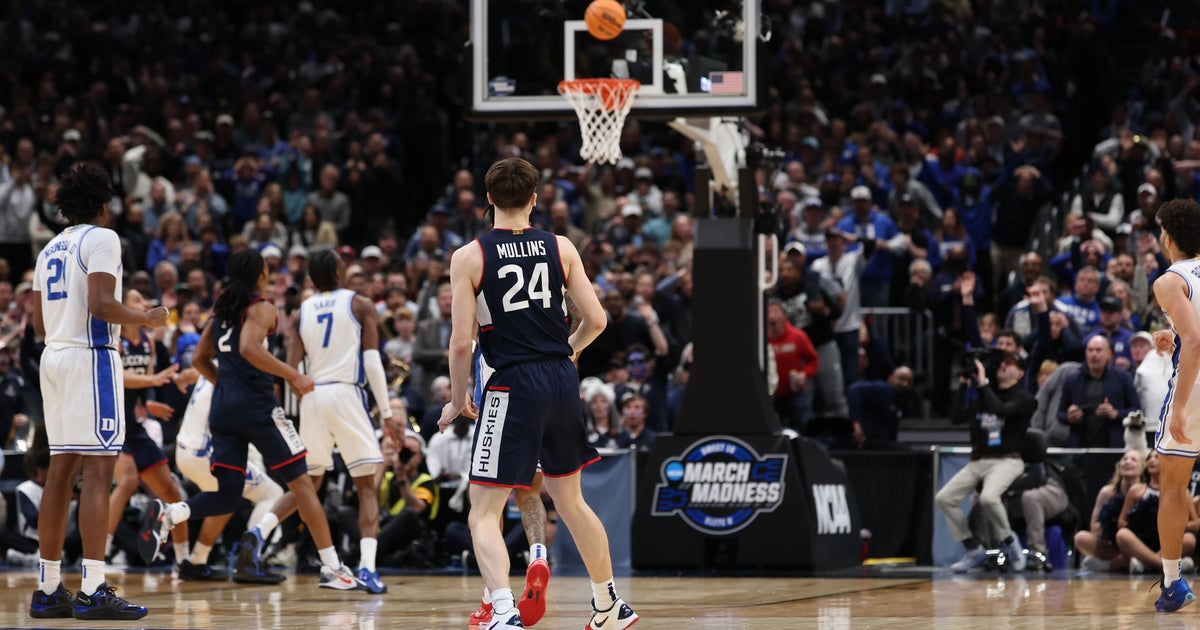
The Huskies’ path to Indianapolis provided one of the most jaw-dropping moments in recent tournament history. Facing top-seeded Duke in the Elite Eight, UConn found itself down by 19 points and seemingly headed for defeat. But March Madness has a way of producing the impossible, and what transpired in those final seconds will be replayed for years to come. With Duke leading by three and just seconds remaining, UConn’s Silas Demary Jr. made one of two free throws to cut the deficit to two points with 10 seconds on the clock. As Duke attempted to run out the clock, a midcourt pass from Cayden Boozer was deflected by Demary, and Braylon Mullins corralled the loose ball near half court. With just 0.4 seconds remaining, Mullins launched a desperation heave from 35 feet away—and it went in, giving UConn an improbable 73-72 victory and sending the Huskies to their third Final Four in recent years. Coach Dan Hurley’s decision not to call timeout in those final seconds proved inspired, as he later explained that he felt the moment called for letting “March Madness take over.” This comeback embodied what Hurley described as “UConn culture, a UConn heart”—a winning tradition that has delivered championships the last two times the program reached this stage. Despite being the longest shot among the final four teams at plus-550 odds to win it all, the Huskies have proven they possess the championship DNA that makes them dangerous regardless of what the betting lines say.
The Power Conference Dominance
This year’s Final Four represents a significant departure from recent tournaments, where mid-major programs regularly crashed college basketball’s most exclusive party. Just three years ago, Florida Atlantic and San Diego State—both from outside the traditional power conferences—made surprising runs to the Final Four, embodying the unpredictable spirit that makes March Madness special. This year tells a different story. Double-digit seeds managed just five tournament wins total (excluding play-in games), a dramatic decline from two years ago when they captured 11 victories and sent North Carolina State to the Final Four. The shift reflects the seismic changes reshaping college basketball, particularly the introduction of name, image, and likeness (NIL) deals and the unlimited transfer portal. These new realities have allowed major conference programs to stockpile talent in ways that weren’t previously possible, making it increasingly difficult for smaller schools to compete on the sport’s biggest stages. Conference realignment has also concentrated power among fewer leagues—Arizona, for instance, now competes in the Big 12 after years in the Pac-12. The result is a Final Four dominated by traditional powers from major conferences, with Illinois serving as the closest thing to an underdog despite being a No. 3 seed—the highest seed number at this stage in two years.
Illinois: Built for This Moment
For Brad Underwood and Illinois, this Final Four appearance represents validation rather than surprise. The coach, who first gained national attention by leading double-digit seed Stephen F. Austin to tournament upsets a decade ago, has methodically built Illinois into a consistent contender. Since the 2019-20 season, the Illini have accumulated 96 Big Ten victories—two more than perennial power Purdue—establishing themselves as one of the conference’s elite programs. Underwood doesn’t view this breakthrough as unexpected. “I don’t want to sound arrogant,” he said, “but I’ve never doubted us getting to a Final Four would happen. I have thought we have had other teams capable. But I also know how doggone hard it is to do it.” This marks Illinois’s first Final Four since 2005, when they fell to North Carolina in the championship game. The current squad features what’s become known as the “Balkan Bloc”—a collection of talented players with Eastern European roots who have helped define the team’s identity. Among them is guard Keaton Wagler, a potential NBA lottery pick who provides the Illini with their own blue-chip talent. Perhaps the most recognizable name on the roster is Andrej Stojakovic, son of three-time NBA All-Star Peja Stojakovic, who has found a home in Champaign after spending one season at Stanford and another at Cal. Against UConn, Illinois faces the challenge of defending a balanced attack featuring five double-figure scorers led by Tarris Reed Jr.
The Arizona-Michigan Heavyweight Battle
Saturday night’s second semifinal promises a collision of contrasting team-building philosophies, both adapted perfectly for the modern college basketball landscape. Arizona and Michigan collectively boast up to nine NBA prospects between them, creating a showcase of elite talent that could double as an early preview of future draft classes. The Wildcats opened as slight championship favorites at plus-165 odds, just ahead of Michigan at plus-180 following the Wolverines’ dominant 95-62 destruction of Tennessee. Interestingly, despite being slight overall favorites, Arizona enters their head-to-head matchup as 1.5-point underdogs to Michigan—one of several curious quirks in this year’s betting lines. What makes this matchup particularly fascinating is how each program assembled its roster. Tommy Lloyd’s Arizona team features four starters who began their careers in Tucson, exemplifying a more traditional development approach. The lone exception is Jaden Bradley, the Big 12 Player of the Year who transferred from Alabama but has been with the Wildcats for three years, providing continuity and leadership. In contrast, Michigan’s top four players in minutes—Yaxel Lendeborg, Morez Johnson Jr., Aday Mara, and Elliot Cadeau—all arrived via the transfer portal, representing the new model of instant roster construction through strategic recruiting of experienced college players seeking new opportunities.
From Mid-Majors to Major Success
The coaching storylines heading into the Final Four provide their own compelling narrative about opportunity and career progression in modern college basketball. Both Lloyd and Michigan’s Dusty May traced unconventional paths to their current positions, starting far from the spotlight of major conference programs. Lloyd spent decades as Mark Few’s top assistant at Gonzaga, helping build the Bulldogs into a consistent national power before getting his chance to lead Arizona in 2021 after Sean Miller’s departure. He’s transformed the Wildcats into a title contender while maintaining a culture that emphasizes player development and roster continuity. May’s journey might be even more remarkable. Just three years ago, he was coaching Florida Atlantic to that unexpected Final Four appearance, putting the mid-major program on the national map with an unforgettable run. That success earned him the opportunity to take over Michigan’s program, which had experienced both tremendous highs and devastating lows under former Fab Five member Juwan Howard. May has embraced the transfer portal era, essentially rebuilding the Wolverines roster from scratch and guiding them to the Final Four in remarkable time. For the Big Ten Conference, this Final Four represents a golden opportunity to end a championship drought that dates back to Michigan State’s title in 2000—a 25-year wait that seems almost impossible given the conference’s traditional strength and recent dominance in regular season play.
As these four teams converge on Indianapolis, they represent different versions of what success looks like in college basketball’s rapidly evolving ecosystem. UConn embodies the power of tradition and championship culture, a program that knows how to win when the stakes are highest. Arizona demonstrates that patient roster building can still succeed even in an era of constant player movement. Michigan proves that aggressive use of the transfer portal can accelerate a program’s revival. And Illinois shows that sustained excellence in conference play, built on developing talent from diverse backgrounds, can eventually break through to the sport’s biggest stage. The 2026 Final Four may lack a true Cinderella, but it showcases four distinct paths to basketball’s summit, each reflecting the complex, money-driven, talent-rich reality of modern college sports.