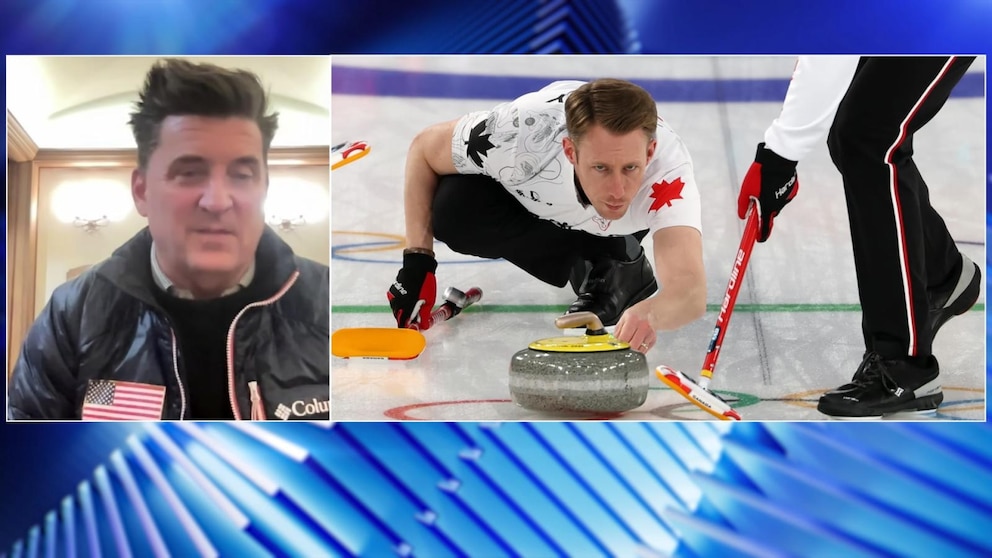

USA Curling CEO Addresses Olympic Controversy Involving Canadian Curling Team
Background of the Controversy
The world of Olympic curling has been thrust into an unexpected spotlight following a controversy surrounding Canada’s curling team that has captured the attention of fans, athletes, and officials across the globe. USA Curling CEO Jeff Plush has stepped forward to address the situation, providing insight into the complexities of international curling competitions and the delicate balance between sportsmanship, rules, and national pride. The controversy has sparked widespread debate within the curling community about fair play, competitive integrity, and the protocols that govern one of the Winter Olympics’ most strategic and tradition-rich sports. As curling continues to grow in popularity and viewership, particularly during Olympic cycles, incidents like these remind us that even in a sport known for its emphasis on honor and respect, disputes can arise that test the boundaries of established norms and regulations. The Canadian team, traditionally one of the powerhouses in international curling with a storied history of Olympic success, found themselves at the center of discussions that reached far beyond the ice sheet and into boardrooms and media outlets worldwide.
The Nature of the Dispute and Official Response
Jeff Plush, speaking in his capacity as the chief executive of USA Curling, carefully addressed the situation with a measured approach that acknowledged both the competitive nature of elite athletics and the long-standing traditions that make curling unique among Olympic sports. The controversy appears to center on actions or decisions made during competition that raised questions about adherence to established rules and the spirit of the game itself. Curling, often referred to as “the roaring game,” has long prided itself on a culture of honesty and self-policing, where athletes are expected to call their own infractions and maintain the highest standards of integrity even in the heat of competition. This cultural foundation makes any controversy particularly significant, as it touches upon the very values that define the sport at all levels, from club play to the Olympic stage. Plush’s comments reflected an understanding that addressing such matters requires diplomatic skill, respect for all parties involved, and a commitment to upholding the standards that govern international competition. His statements emphasized that while competitive tensions are natural and expected at the highest levels of sport, there remains an obligation to ensure that all teams compete under the same rules and expectations, regardless of their national affiliation or historical success in the sport.
Impact on USA Curling and International Relations
The ripple effects of this controversy extend well beyond the immediate incident, potentially affecting relationships between national curling federations and shaping future competitions. For USA Curling, which has been working diligently to elevate the sport’s profile in the United States and develop competitive teams capable of challenging traditional powerhouses like Canada, Sweden, and Switzerland, navigating this situation required careful consideration of multiple factors. Plush’s leadership during this period demonstrated the complex role that national federation executives must play—serving as advocates for their own athletes while also contributing to the broader governance and integrity of the international sport. The relationship between USA Curling and Curling Canada has historically been collegial, marked by frequent competitions, shared development initiatives, and mutual respect for each nation’s contributions to the sport’s growth. However, when controversies arise, these relationships can be tested, requiring open communication, transparency, and a shared commitment to resolving issues in ways that strengthen rather than undermine the sport. Plush’s public comments appeared designed to address concerns without inflaming tensions, acknowledging that the health of international curling depends on all major curling nations working together cooperatively while still competing fiercely on the ice.
The Role of Rules and Governance in Olympic Curling
At the heart of many sporting controversies lies the question of how rules are interpreted, applied, and enforced, and curling is no exception despite its reputation for self-governance and honor. The World Curling Federation, which oversees international competition including Olympic curling, maintains detailed regulations covering everything from equipment specifications to on-ice conduct and competition procedures. When disputes arise, the challenge often lies not in the existence of rules but in their interpretation and application to specific situations that may not have been explicitly anticipated by rule-makers. Plush’s commentary on the controversy likely touched on these governance mechanisms and the processes available for addressing concerns when they arise during or after competition. Olympic curling operates under particularly intense scrutiny, with millions of viewers worldwide watching athletes represent their nations on sport’s biggest stage, making any perceived irregularity subject to immediate and widespread discussion. The CEO’s perspective emphasized that while the American team has its own competitive interests and desire to succeed, there is also recognition that the long-term health of the sport requires robust, fair, and consistently applied governance structures that all nations can trust. This balance between national interest and international cooperation represents one of the ongoing challenges for leaders in Olympic sports, where patriotic passion must coexist with universal standards and mutual respect.
Broader Implications for the Sport of Curling
Beyond the immediate circumstances of this particular controversy, the situation has prompted reflection within the curling community about the sport’s evolution and the challenges that come with increased visibility and competitiveness. Curling has experienced significant growth in recent decades, particularly in terms of media coverage, sponsorship opportunities, and participation rates in non-traditional curling nations. This growth brings tremendous benefits, including greater resources for athlete development, improved facilities, and elevated status for curlers who dedicate themselves to competing at the highest levels. However, increased stakes can also intensify competitive pressures and potentially strain the traditional culture of sportsmanship that has long defined curling as distinct from many other elite sports. Plush’s handling of the controversy reflects an awareness that how such situations are addressed can either reinforce or erode the values that make curling special. The CEO’s approach appeared to seek a path that allows for competitive fire and advocacy for American interests while preserving the mutual respect and integrity that enable curling to maintain its unique character. For younger athletes and newer curling nations, how established federations and their leaders navigate controversies sets important precedents and communicates what the sport values beyond simply winning and losing. The incident therefore represents both a challenge and an opportunity—a chance to reaffirm curling’s commitment to its foundational principles while adapting governance and competitive structures to meet the demands of modern elite sport.
Looking Forward: Lessons and Future Directions
As the curling community processes this controversy and its implications, several key themes emerge that will likely shape future discussions and policy decisions within the sport. Jeff Plush’s comments as USA Curling CEO suggest recognition that addressing controversies effectively requires transparent communication, clear processes for dispute resolution, and willingness from all parties to prioritize the sport’s long-term interests alongside immediate competitive concerns. The incident serves as a reminder that even sports with strong traditions of fair play and self-governance must continuously examine their rules, enforcement mechanisms, and cultural norms to ensure they remain fit for purpose in an evolving competitive landscape. For USA Curling specifically, the controversy presents both challenges and opportunities—challenges in navigating a potentially sensitive international situation, but opportunities to demonstrate leadership, advocate for clear standards, and contribute to governance discussions that will shape the sport’s future. Moving forward, the curling community will likely engage in conversations about how to preserve the sport’s distinctive culture while ensuring that competition at the highest levels meets contemporary expectations for fairness, transparency, and accountability. Whether this particular controversy leads to rule changes, modified procedures, or simply serves as a catalyst for dialogue, it has undoubtedly focused attention on questions that matter deeply to everyone who cares about curling’s present and future. The way leaders like Plush handle such moments—with diplomacy, principle, and awareness of broader implications—ultimately contributes to building a sporting culture that can accommodate intense competition while maintaining the respect and integrity that make curling a sport worth celebrating and preserving for future generations.