


The Fertiliser Crisis: How War in Iran is Threatening Global Food Security and Your Wallet
A Perfect Storm Hitting Agriculture at the Worst Possible Time
As spring arrives and farmers across Europe and Asia prepare for the crucial growing season, they’re facing an unprecedented challenge that could affect food prices for everyone. The most critical ingredient they need isn’t sunshine or rain—it’s fertiliser. This might not sound particularly dramatic until you consider this sobering fact: roughly half of all the food produced globally, including both crops and livestock, depends on synthetic fertiliser. Without this magical combination of minerals and chemicals, our modern food system simply couldn’t function at the scale needed to feed the world’s population. But right now, the conflict involving Iran is wreaking havoc on fertiliser markets, pushing prices to astronomical levels and creating shortages just when farmers need it most. British farmers, importers, and growers are sounding the alarm that this crisis will inevitably lead to significantly higher food prices for consumers in the coming months. The situation is particularly concerning because it’s hitting at the start of the growing season, meaning farmers must make difficult decisions now that will determine food availability and prices for the rest of the year.
Understanding Why Fertiliser Prices Have Skyrocketed
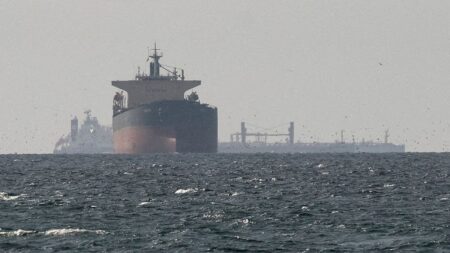
To understand why fertiliser has become so expensive, you need to know that it’s essentially an energy product, just as dependent on natural gas as your home heating or the electricity grid. The nitrogen that feeds plants worldwide is created through a fascinating chemical process that combines hydrogen from methane (natural gas) with nitrogen from the air—a procedure known as the Haber-Bosch process that chemistry students might remember from their studies. This process produces ammonia, which is then processed into urea or ammonium nitrate, the raw materials of industrial fertiliser that farmers spread on their fields. Here’s where the Iran conflict becomes crucial: up to 30% of the global fertiliser supply normally passes through the Persian Gulf region. The effective closure of the Strait of Hormuz, much like what’s happened with oil and gas, has caused prices to explode. Urea, one of the most common fertilisers, has more than doubled in price—soaring from around $300 per tonne at the beginning of the year to nearly $700 by the end of March. This leaves farmers facing an impossible choice: either pay double to produce a normal crop, knowing they might not be able to pass those costs on to consumers immediately, or skip fertiliser application and watch their yields shrink dramatically. Either way, the outcome is inevitable—food prices are going up.
Britain’s Vulnerability to the Global Fertiliser Crisis
British farmers and consumers are particularly exposed to these skyrocketing prices due to the country’s declining domestic fertiliser production. As industrial energy prices have climbed in recent years, UK fertiliser manufacturing has become increasingly uncompetitive, and today Britain produces less than half of the synthetic fertilisers that its farmers require. With European production also struggling under high energy costs, British importers are forced to look further afield, adding transportation costs and complexity to an already challenging situation. At Nitrasol’s terminal in Great Yarmouth, the company is meeting demand with urea ammonium nitrate imported all the way from Trinidad, which is first shipped to Sunderland and then transported down the North Sea coast to Norfolk. A constant stream of lorries arrives at the facility to be filled before heading to farms scattered from Scotland to the South West. While Nitrasol has been honoring prices agreed with customers before the war began, chairman John Fuller warns they will inevitably rise. In his assessment, the UK is facing its second major food inflation spike in just four years. Fuller, who also sits as a Conservative peer in the House of Lords, says that in the last six weeks alone, prices have jumped about 25% as the company has had to compete with other buyers for limited supplies. Farmers who bought early are getting the old prices, but those who waited are now paying significantly more from the new, more expensive shipments arriving from overseas.
The Real-World Impact on Farmers and Food Producers
The human cost of this crisis becomes clear when you meet farmers like David Barton, who runs a beef operation in the Cotswolds, about 150 miles west of Great Yarmouth. When Barton went to order fertiliser to treat the pasture that will sustain his suckling heifers and calves through summer—and provide silage for next winter—he discovered prices had jumped from £370 to almost £500 per tonne, and the fertiliser wouldn’t even be available until April. This puts him in a terrible bind because his farm experienced a very dry summer last year, leaving fodder stocks dangerously low across the region. Without fertiliser application, his grass yields could be cut in half, threatening his animals’ food supply. But here’s the cruel irony: beef farmers like Barton can’t simply pass these rising costs directly to customers because they sell into a global market where prices are set by forces far beyond any individual farm gate. While beef prices have seen double-digit inflation for months, individual producers are forced to absorb much of the price shock themselves. “Individual businesses are having to take all this risk, and take all of this price shock,” Barton explains with obvious frustration. “For the country to have food resilience and food security, we need these food businesses like myself to be profitable. We cannot farm and continue to produce food if it is below the cost of our production.” His concern extends beyond his own operation to a broader question of national food security—if farms can’t operate profitably, Britain’s ability to feed itself comes into serious question.
The Greenhouse Crisis: A Double Blow to Horticulture
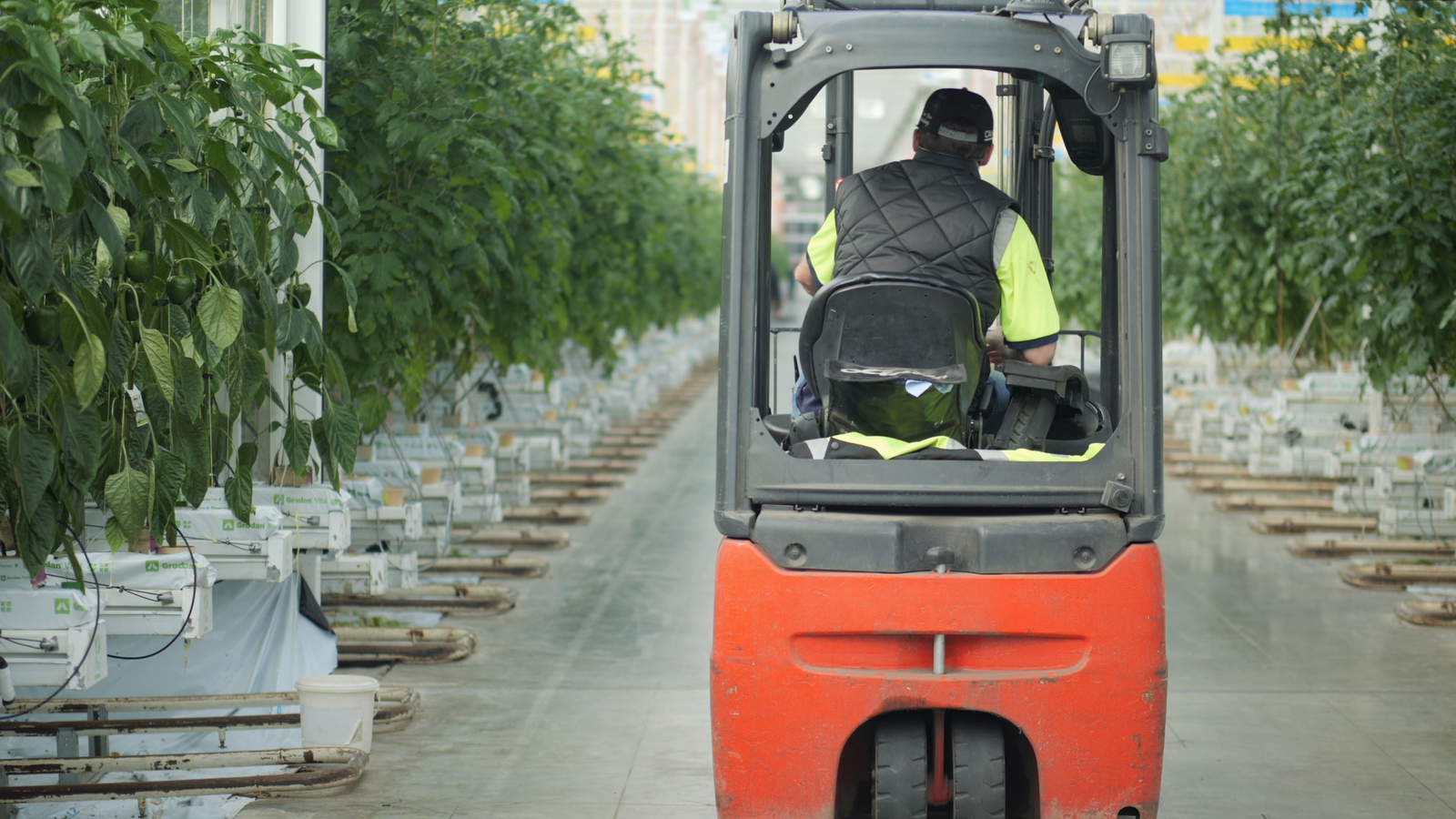
The situation is even more dire for greenhouse growers, who face a double whammy of rising fertiliser and energy costs. In the Lea Valley, just north of London, around half a billion salad vegetables are grown every year in vast glasshouses where the rows of crops stretch for miles. At Valley Grown Nurseries, sweet peppers are ready for harvest and cherry tomatoes are just a couple of weeks away from picking. These crops are sustained by hundreds of miles of hot water pipes that must be kept at around 20-23 degrees Celsius using gas heating, along with a constant supply of fertiliser. The numbers are staggering: the nursery’s gas bill has increased by more than 90% in just the last month. Yet their prices, which were agreed with supermarket chains last autumn, are locked in and cannot be adjusted to reflect these massive cost increases. “It’s a disaster, and not only for this organisation, but every organisation that’s involved in producing food with gas,” says owner Jimmy Russo with evident concern. Lee Stiles, representing the Lea Valley Growers Association, argues that the government should officially declare horticulture an energy-intensive industry, which would help cut energy costs through existing support mechanisms. Without such intervention, growers are facing an agonizing choice: they’ve already planted their crops and made their initial investments. Cucumbers are in full production, tomatoes are being picked, and peppers and aubergines are just days or weeks from harvest. But if they can’t get more money for their produce to cover the spiraling costs, they must decide whether to stop production entirely, send workers home, and accept their losses, or continue operating and potentially lose even more money with each passing day.
What This Means for Consumers and the Path Forward
John Fuller’s comparison to the situation four years ago following the Ukraine crisis is particularly sobering—he believes the current situation may actually be worse. After that previous disruption, food inflation hit 10% within six months, causing significant economic and political fallout that undermined the government’s position. He’s calling on the government to take action, specifically by canceling the planned adoption of carbon import taxes scheduled for next January. These taxes, intended to prevent emissions from being exported to countries with lower environmental standards, are viewed by many businesses as simply adding more cost to industries already struggling with unprecedented price pressures. The fundamental challenge is that our modern food system has been built on the assumption of relatively cheap, abundant energy and fertiliser. When those assumptions are suddenly overturned by geopolitical events, the entire chain—from fertiliser importers to farmers to greenhouse growers to supermarkets to consumers—experiences shock waves. The farmers and growers speaking to the media aren’t exaggerating for effect; they’re genuinely concerned about their ability to continue operating profitably while maintaining Britain’s food security. For consumers, the message is clear: higher food prices are coming, not because of profiteering or price gouging, but because the fundamental costs of production have skyrocketed. The only questions are how much prices will rise and how long the crisis will last—answers that depend largely on how the Iran conflict evolves and how quickly global fertiliser supply chains can adapt to the new reality.