

Was the NBA’s New All-Star Game Format a Slam Dunk?
A Bold Experiment in Basketball’s Showcase Event
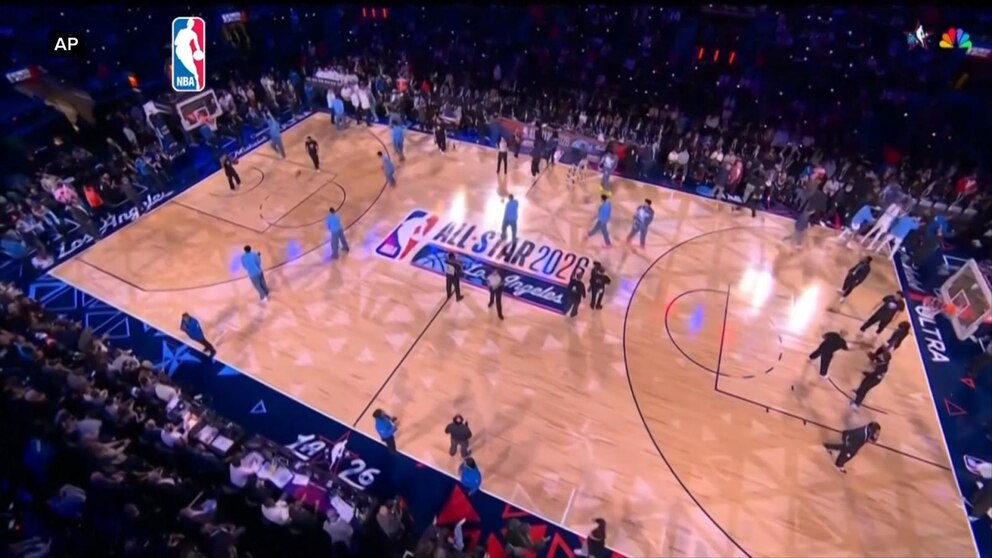
The NBA has never been shy about tinkering with its All-Star Game format, and the league’s latest experiment represents perhaps its most radical departure yet from traditional basketball. For years, fans and critics alike have complained about the lack of competitive fire in the All-Star Game, watching as the league’s biggest stars seemingly sleepwalked through what should be a celebration of basketball excellence. Defense became optional, scores ballooned to video game-like numbers, and the event felt more like a casual pickup game at the local gym than a showcase of the world’s best players. The NBA heard these criticisms loud and clear, and in response, they’ve rolled out a dramatically different format designed to inject genuine competition back into All-Star Weekend. But the big question everyone’s asking is whether this new approach actually worked, or if it’s just another well-intentioned idea that missed the mark when put into practice.
The latest format overhaul breaks away from the traditional East versus West matchup that had defined the game for decades, as well as the more recent captain’s draft format. Instead, the NBA introduced a mini-tournament structure that completely reimagines what an All-Star Game can be. The new system features four teams rather than two, with three teams composed of eight All-Stars each, and a fourth team consisting of players who won the Rising Stars challenge – essentially giving the league’s young talent a seat at the main table. These four teams then compete in a semifinal round with games played to a target score rather than being bound by traditional quarters and time limits. The winners advance to the championship game, also played to a target score, creating a winner-take-all scenario that theoretically should matter more to the ultra-competitive athletes who’ve made it to the NBA’s pinnacle. This race-to-a-score format, similar to what fans might see in pickup basketball, means there’s no running out the clock, no garbage time, and theoretically, no room for the kind of defensive lapses that have plagued recent All-Star Games.
The Promise and the Reality
On paper, the new format addresses many of the complaints that have made the All-Star Game increasingly difficult to watch in recent years. By creating shorter games with clear, immediate stakes, the NBA hoped to generate the kind of intensity that makes basketball compelling. The target score element in particular seemed like a stroke of genius – when every possession potentially ends the game, players should theoretically care more about both offense and defense. The inclusion of the Rising Stars team also offered an intriguing subplot, giving emerging talents like rookies and second-year players the opportunity to compete directly against established superstars, potentially creating the kind of David-versus-Goliath moments that sports fans live for. Additionally, the tournament structure meant that not every All-Star would play the same amount of time or even make it to the final game, theoretically raising the stakes and giving players something concrete to compete for beyond just participation trophies and vague bragging rights.
However, the execution of this promising concept revealed some significant challenges. While the games were indeed shorter and more digestible – a welcome change in our era of shortened attention spans – the fundamental problem of effort and defense didn’t magically disappear just because the format changed. Some players clearly bought into the competitive spirit the NBA was trying to create, playing with genuine intensity and treating the games as if they mattered. But others still seemed to view All-Star Weekend primarily as an opportunity to have fun, entertain fans with flashy plays, and avoid the kind of physical play that might risk injury in a meaningless exhibition. This split in competitive approach created an uneven viewing experience, with moments of genuine excitement interrupted by stretches that felt just as casual as previous All-Star Games. The target score format did create some dramatic finishes, with teams trading baskets and the outcome genuinely in doubt until the final shot, which represented a definite improvement over blowouts or games decided well before the final buzzer. But whether this was enough to justify the complicated new structure remained a matter of debate among fans and analysts alike.
Fan Reactions and the Broader Context
The response from basketball fans to the new format has been decidedly mixed, reflecting the challenge the NBA faces in trying to please everyone. Traditionalists who grew up with the straightforward East versus West format found the new structure confusing and unnecessarily complicated, arguing that the league was fixing something that wasn’t really broken – or at least, wasn’t broken in a way that required such a dramatic overhaul. These fans missed the simplicity of rooting for their conference and the historical continuity that came with a format that had existed for generations. On the other hand, younger fans and those who had grown tired of watching glorified scrimmages appreciated the NBA’s willingness to experiment and try something different. They argued that doing the same thing over and over while expecting different results is the definition of insanity, and that the league deserved credit for at least attempting to address legitimate criticisms of the All-Star Game’s declining quality and watchability.
Social media reactions captured this divide perfectly, with some fans praising the competitive moments and unexpected matchups the new format created, while others expressed confusion about the rules, questioned why certain players were on certain teams, or simply declared the whole thing a mess. The tournament structure also meant that some All-Stars who were voted in by fans got significantly less playing time than in previous years, which rubbed some people the wrong way. After all, if fans vote for their favorite players expecting to see them play a full game’s worth of minutes, is it fair to potentially eliminate half the All-Stars in the semifinal round? This tension between creating genuine competition and delivering the fan service that All-Star Weekend has traditionally provided represents one of the format’s biggest challenges. There’s also the broader question of whether any format change can truly solve the All-Star Game’s fundamental problem: these are millionaire athletes in the middle of a grueling season who have very little incentive to risk injury or expend serious energy in a game that doesn’t count toward anything meaningful.
The International Comparison and Alternative Solutions
It’s worth noting that the NBA isn’t alone in struggling with how to make its all-star or showcase events compelling. Other professional sports leagues have faced similar challenges, with varying degrees of success in their solutions. Major League Baseball’s All-Star Game famously tried making the game “count” by having the winning league earn home-field advantage in the World Series, a gimmick that generated mixed results and was eventually abandoned. The NFL’s Pro Bowl has become almost universally regarded as unwatchable, with the league experimenting with various format changes, skills competitions, and even flag football alternatives in desperate attempts to create something people actually want to watch. What sets basketball apart is that the sport itself lends itself better to individual showcasing – a spectacular dunk or three-pointer in an All-Star Game can still generate genuine excitement in a way that a tackle or a ground ball in other sports’ all-star games simply doesn’t.
Looking at international basketball, FIBA events and EuroLeague all-star games have generally stuck with more traditional formats, perhaps because they haven’t reached the same saturation point that the NBA has with its American audience. The reality is that the NBA’s All-Star Game exists in a unique cultural moment where fans have endless entertainment options, highlights are available instantly on social media, and sitting through two hours of low-effort basketball feels like a waste of time to many viewers. Some critics have suggested that rather than constantly changing formats, the NBA should lean into what All-Star Weekend does well: individual skills competitions, celebrity involvement, and creating viral moments. Others have proposed more radical solutions, like having All-Stars play for significant charity stakes that might motivate genuine effort, or creating a team of All-Stars to play against an international squad, potentially tapping into national pride as a motivating factor. The truth is that there’s probably no perfect solution, and what works one year might feel stale the next, requiring constant innovation and adjustment.
The Verdict and Looking Forward
So was the NBA’s new All-Star Game format a slam dunk? The honest answer is that it’s more of a cautious thumbs-up than an unqualified success. The league deserves credit for recognizing a problem and trying to fix it rather than simply accepting declining interest and viewership as inevitable. The tournament structure did create some genuinely exciting moments, and the target score format eliminated some of the worst aspects of previous All-Star Games, like meaningless final minutes with the outcome already decided. The games were more compact and watchable, which matters in an era when even hardcore basketball fans struggle to commit three hours to watching regular season games, let alone exhibitions. For viewers who tuned in hoping to see something different from the usual All-Star fare, the new format delivered at least partially on that promise, offering enough novelty and competitive intensity to justify the experiment.
However, the format change wasn’t a complete home run either. The complexity of the structure may have alienated some casual fans who just wanted to see their favorite players on the same court together. The fundamental issue of effort and defensive intensity improved but didn’t disappear entirely, suggesting that format alone can’t overcome the built-in incentive problems of mid-season exhibition games. Some of the matchups felt arbitrary, and the inclusion of the Rising Stars team, while conceptually interesting, didn’t create the dramatic upsets or compelling storylines the NBA probably hoped for. Moving forward, the league will need to assess whether this format is worth keeping, requires further tweaking, or should be replaced with yet another experimental approach. The challenge is finding the sweet spot between entertainment and competition, between giving fans what they expect from All-Star Weekend and surprising them with something new and exciting. If this format returns next year with some adjustments based on lessons learned, that might represent the most realistic version of success – not perfection on the first try, but a foundation worth building on. The NBA has shown it’s willing to be bold and try new things with its showcase event, and in a sports landscape where stagnation can be deadly, that willingness to experiment might be the real slam dunk, regardless of whether this particular format becomes a permanent fixture or just another interesting chapter in All-Star Game history.