


When Fear Comes to the School Bus Stop: A New Jersey Community Reels from ICE Operation
A Morning That Started Like Any Other
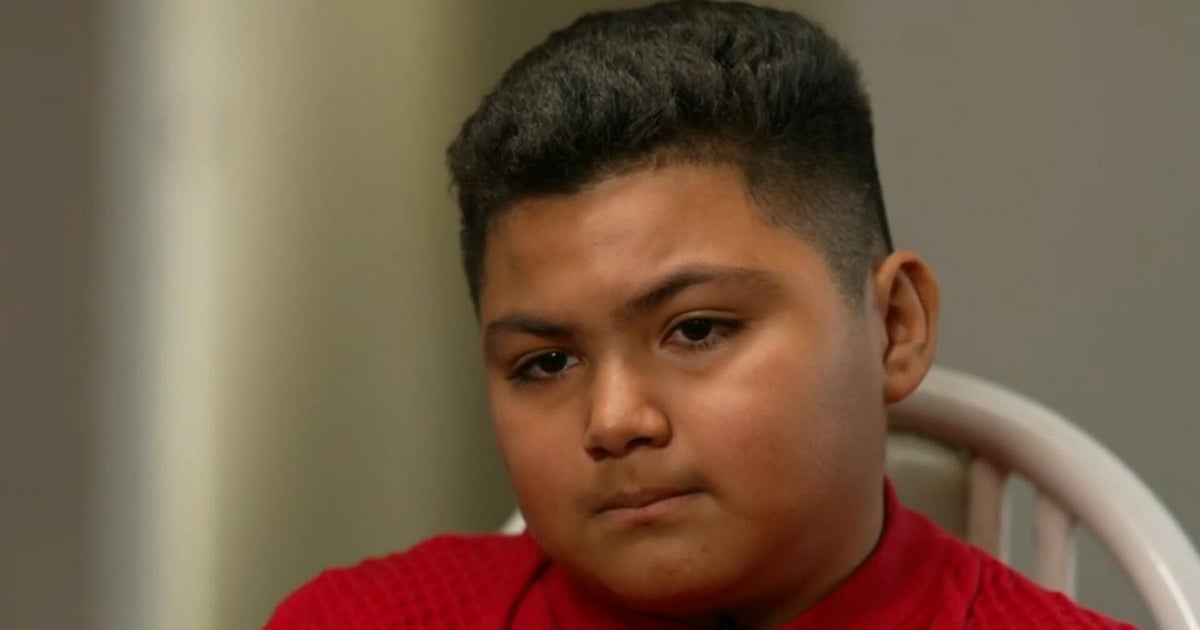
For 10-year-old Dylan, a U.S. citizen living in Lindenwold, New Jersey, Thursday morning began just like countless others before it. He prepared for school, headed to his bus stop, and joined his classmates waiting for their ride to begin another day of learning. But within moments, this ordinary morning transformed into something that would leave him and his fellow students traumatized. As children gathered at their stop, suddenly everything changed when the shouts began—classmates yelling “ICE” and panic spreading like wildfire through the group of elementary schoolers. What happened next would shake not just these young students but an entire community, raising urgent questions about immigration enforcement practices near schools and the lasting impact of fear on children who witness such operations, even when they themselves are American citizens with nothing to fear legally, but everything to fear emotionally.
Children Running in Terror
The scene that unfolded that Thursday morning was one that no child should have to experience. Dylan told CBS News that “out of nowhere, people just start running, saying that ICE is over there, and everybody was running.” These weren’t teenagers or adults—these were fourth and fifth graders, children between roughly 9 and 11 years old, who suddenly found themselves fleeing in terror from what they perceived as a threat. Dylan’s account reveals that as he ran toward home, Immigration and Customs Enforcement agents actually began following him. Doorbell camera footage from the apartment complex captures the chaos of that morning, showing children scattered across the parking lot, running in different directions. In perhaps the most heart-wrenching piece of evidence, Dylan’s own home security video shows him frantically pounding on his front door, desperately pleading for his mother to let him inside, convinced that ICE agents were trying to get into his home. The raw fear in that moment—a 10-year-old American citizen terrified at his own doorstep—speaks volumes about the psychological impact of immigration enforcement operations conducted in proximity to where children gather.
The School District’s Response and Community Reaction
The Lindenwold School District was quick to respond to the crisis unfolding at the bus stop. In a social media post to families, district officials explained that “the presence of multiple enforcement vehicles caused significant fear and confusion, and several students ran from the bus stop.” The district praised their bus driver, who “acted quickly and responsibly, circling back multiple times to ensure as many children as possible were safely transported to school.” The district was also careful to clarify something important for frightened families: “ICE Agents are NOT at the Lindenwold School District,” emphasizing that the enforcement operation was happening near, but not at, school property. In the aftermath, the district announced it would provide counseling services to any students who needed support processing what they had witnessed and experienced. The community’s response was swift, with residents gathering Friday afternoon to protest ICE activities in their neighborhood. New Jersey Representative Donald Norcross joined calls for accountability, demanding that the Department of Homeland Security be transparent about their operations. “DHS has to come forward, be transparent,” Norcross stated. “If you’re doing ‘the right thing,’ then there should be no problem.” His statement reflected growing frustration about immigration enforcement operations that, regardless of their legality or intended targets, were causing collateral damage to children and communities.
The Lasting Trauma on Young Minds
Perhaps the most concerning aspect of this incident isn’t what happened in those chaotic minutes on Thursday morning, but what continues to happen in the minds of children who witnessed it. Dylan himself struggled to articulate his ongoing fear, telling reporters that the incident is hard to talk about “because I feel like they’re just going to come out of nowhere and take my parents.” Think about that statement for a moment—a 10-year-old U.S. citizen, who has every legal right to be in this country, who has done nothing wrong, now lives with the persistent fear that his parents could be taken from him without warning. He’s not alone in these feelings. Maria, another U.S. citizen whose children attend the local school and who has lived in the area for more than a decade, reported that the impact on students has been severe. “There’s a lot of kids right now, they’re traumatized, they don’t want to go to school,” she explained to CBS News. The very place that should represent safety, learning, and growth—the journey to school—has now become associated with fear and potential family separation. Child psychologists have long documented the impact of this kind of trauma on young people, including anxiety, depression, difficulty concentrating in school, and a persistent sense of instability that can affect development for years to come.
A Pattern of Increased Enforcement Activity
According to Maria and other community members, Thursday’s incident didn’t happen in isolation. She reported that the operation follows a pattern of increased ICE activity in the neighborhood, suggesting that residents have been living with heightened anxiety for some time. This context is important because it means that many of these children weren’t experiencing this fear for the first time—Thursday morning may have simply been the most dramatic manifestation of an ongoing source of stress in their daily lives. The question of how immigration enforcement should be conducted, particularly in areas where children are present, has been debated for years. While ICE and the Department of Homeland Security have various policies regarding enforcement near “sensitive locations” like schools, the definition of what constitutes “near” and what protections should be in place remains contentious. CBS News reached out to the Department of Homeland Security for comment on the Lindenwold operation, but the specifics of what ICE was doing that morning, who they were targeting, and whether protocols regarding proximity to children were followed remain unclear. What is clear, however, is that regardless of the operation’s intended purpose or target, the impact on innocent children was significant and traumatic.
The Broader Questions This Raises
The Lindenwold incident forces us to confront uncomfortable questions about how we balance immigration enforcement with the wellbeing of children and communities. No one disputes that nations have the right to enforce immigration laws, but at what cost? When U.S. citizen children are running in terror from federal agents, when they’re afraid to go to school, when they’re traumatized by the fear that their parents might be taken “out of nowhere,” we have to ask whether our enforcement methods are working or whether they’re creating new problems even as they attempt to solve others. The image of Dylan pounding on his door, terrified, should haunt us as a society. This isn’t about partisan politics—it’s about basic human compassion and the recognition that children, regardless of their immigration status or that of their parents, deserve to feel safe on their way to school. The calls for transparency from Representative Norcross and community members aren’t unreasonable. If immigration enforcement operations are being conducted legally and appropriately, then officials should be able to explain what happened, why it happened near a school bus stop, and what measures were in place to protect children from the kind of trauma that clearly occurred. The Lindenwold School District’s offer of counseling services is commendable, but it’s a band-aid on a wound that might not have needed to happen in the first place. As this community continues to heal and as children slowly rebuild their sense of safety, we’re left with a stark reminder that enforcement actions have consequences that ripple far beyond their intended targets, touching the lives of citizen children who deserve better than to live in fear.