


Massive WWII Bomb Successfully Defused in Dresden After Evacuating 18,000 Residents
A Dangerous Discovery Beneath the Rubble
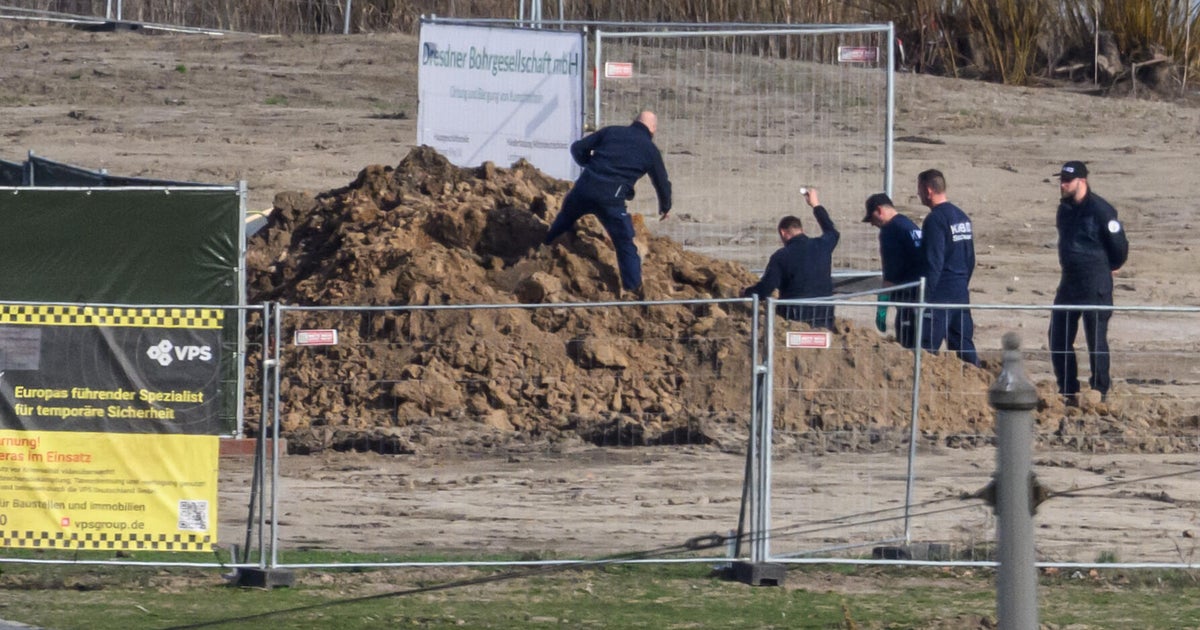
In a dramatic reminder that the echoes of World War II still reverberate through modern Europe, authorities in Dresden, Germany, successfully defused a massive 550-pound British bomb on Wednesday afternoon. The explosive device was discovered during ongoing reconstruction work at a bridge site in the heart of the historic city, prompting the largest evacuation operation Dresden has ever experienced. The bomb was found by construction crews working to rebuild the Carola Bridge over the Elbe River, which had collapsed in 2024. What started as a routine construction project quickly transformed into a major emergency operation involving hundreds of personnel and affecting thousands of residents and visitors.
The discovery triggered an immediate response from city officials, who ordered the evacuation of 18,000 people from the surrounding area. This unprecedented operation represented the largest evacuation in Dresden’s post-war history, underscoring both the seriousness of the threat and the city’s commitment to public safety. The evacuation zone extended one kilometer in all directions from where the bomb was found, encompassing not just residential neighborhoods but also some of Dresden’s most treasured landmarks, including the magnificent Zwinger Palace and the iconic Frauenkirche church. Hotels, schools, care facilities, government offices, and countless shops and businesses all had to be cleared, creating a ghost town in what is normally a bustling city center.
A Massive Coordinated Emergency Response
The scale of the evacuation required extraordinary coordination and resources. More than 400 police officers were deployed to the operation, working alongside other emergency services to ensure that every building within the danger zone was completely empty. To verify that the evacuation was thorough and complete, authorities employed modern technology including a helicopter and a drone to conduct aerial surveillance of the affected area. Teams systematically went door-to-door, checking homes, businesses, schools, and care facilities to ensure no one remained behind. The operation demonstrated the meticulous planning and execution required when dealing with such deadly remnants from the past.
After hours of careful preparation and ensuring the area was completely secure, bomb disposal specialists successfully removed the detonator from the explosive device at 3:10 PM on Wednesday afternoon. This delicate procedure required exceptional skill and nerves of steel, as the slightest mistake could have triggered a catastrophic explosion. Following the successful removal of the detonator, the specialists then safely detonated it in a controlled manner while also removing the bomb itself from the construction site. Police announced that the evacuation zone would remain in effect until a final comprehensive safety check could be completed, after which the thousands of displaced residents and business owners would be allowed to return to their properties.
Dresden’s Tragic History and Continued Legacy
The discovery of this bomb carries particular poignancy in Dresden, a city that experienced one of the most devastating bombing campaigns of World War II. On February 13 and 14, 1945, Allied forces conducted massive air raids on Dresden that killed between 20,000 and 25,000 people and reduced large sections of the city’s historic old town to rubble. The city was renowned throughout Europe for its stunning Baroque architecture, much of which was destroyed in those terrible nights of fire and destruction. The bombing of Dresden remains one of the most controversial Allied actions of the war, with debates continuing to this day about the military necessity and moral implications of the raids on what was primarily a cultural center rather than a major industrial or military target.
The irony is not lost on historians and residents that nearly 80 years after the war ended, Dresden continues to grapple with the physical remnants of those attacks. This wasn’t even the first unexploded bomb found at the Carola Bridge site—similar devices were discovered and successfully defused in both January and August of 2025, each time requiring the evacuation of thousands of people. The pattern reveals an uncomfortable truth: beneath the rebuilt streets and modern structures of Dresden lie countless deadly artifacts from that terrible conflict, any of which could be unearthed at any moment during construction or development work.
A Persistent Problem Across Europe and Beyond
Dresden’s experience is far from unique. Unexploded ordnance from World War II remains a persistent and dangerous problem throughout Europe and other regions where the war was fought. These deadly time capsules continue to turn up with alarming regularity, sometimes in the most unexpected places. In June 2025, more than 20,000 people were evacuated from central Cologne after construction workers discovered three unexploded American bombs from the war—the largest such evacuation in that city since 1945. In March 2025, another World War II bomb was found dangerously close to the tracks near Paris’s busy Gare du Nord station, one of Europe’s major transportation hubs.
The discoveries aren’t limited to obvious military or industrial targets either. In a particularly chilling example, more than 170 bombs were found near a children’s playground in northern England in February 2025, raising troubling questions about how many more such devices might be lurking beneath schools, parks, and residential areas across the continent. Perhaps most dramatically, in October 2024, an unexploded World War II bomb actually detonated at a Japanese airport, fortunately without causing casualties but serving as a stark reminder that these devices remain genuinely dangerous despite their age. Experts estimate that hundreds of thousands, possibly millions, of unexploded bombs, shells, and other ordnance from both World Wars remain buried across Europe, meaning this problem will continue for generations to come.
Living with the Legacy of War
The regular discovery of these explosive remnants forces communities to confront an uncomfortable reality: the wars of the past are not truly over, at least not in a physical sense. For cities like Dresden, Cologne, London, and countless others across Europe, modern development and construction projects must always factor in the possibility of uncovering deadly surprises from eight decades ago. This adds time, expense, and risk to what should be routine projects. Construction companies must employ specialized detection equipment and experts trained in recognizing potential ordnance before breaking ground. When bombs are discovered, the disruption to modern life can be enormous—businesses lose revenue, residents are displaced from their homes, schools must close, and emergency services are stretched thin.
Yet the alternative—ignoring this legacy—is unthinkable. The successful defusing of the Dresden bomb, like countless similar operations before it, represents a victory of modern expertise and careful planning over the destructive intentions of the past. It’s a reminder that while we cannot change history, we can work diligently to minimize its ongoing dangers. The 18,000 people evacuated from Dresden returned to their homes safely, the historic landmarks remain intact, and the city continues its slow but steady recovery from wounds inflicted generations ago. As Dresden continues to rebuild, both literally at the bridge site and metaphorically from its wartime trauma, each successfully defused bomb represents another small step toward finally leaving the war behind. Until that day comes when the last explosive remnant is finally cleared, cities across Europe will continue to live with these dangerous ghosts of conflicts long past, managing the risks with increasing skill while hoping that each discovery will be safely resolved.