


A Devastating Loss: Three Young Hockey Players Killed in Canadian Highway Crash
Tragedy Strikes the Southern Alberta Mustangs
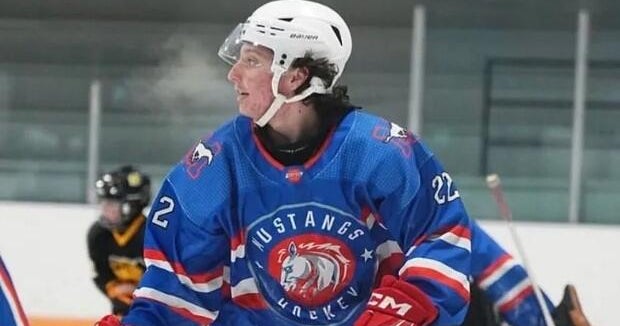
The tight-knit world of junior hockey was shattered on Monday when three promising young players from the Southern Alberta Mustangs lost their lives in a horrific highway collision. The victims—17-year-old Caden Fine from Birmingham, Alabama, and two 18-year-old Canadian teammates, Cameron Casorso and JJ Wright, both from British Columbia—were traveling to practice when their small passenger vehicle was struck by a gravel-hauling semi-truck at an intersection in Alberta, Canada. According to Corporal Gina Slaney of the Alberta Royal Canadian Mounted Police, all three young men were pronounced dead at the scene. The 40-year-old driver of the semi-truck sustained only minor injuries and was treated on-site. As investigators work to determine the cause of this devastating accident, families, teammates, and entire communities are left grappling with an incomprehensible loss that has sent shockwaves through the hockey world and beyond.
The Southern Alberta Mustangs organization released a heartfelt statement that captured the profound grief felt by everyone connected to the team. “There are no words that can adequately express the depth of our grief,” the statement read. “These young men were more than hockey players—they were teammates, sons, brothers, friends, and deeply loved members of our Mustangs family and the communities we call home.” This sentiment reflects a fundamental truth about junior hockey: it’s not just about the sport itself, but about the bonds formed, the dreams pursued, and the families created both on and off the ice. For these three young men, hockey represented opportunity, adventure, and the pursuit of excellence. They had left their homes and families to chase their dreams in a small Canadian town, dedicating themselves to a grueling schedule of practices, games, and personal development, all in hopes of advancing to higher levels of competition.
Remembering Caden Fine: An American Dream Cut Short
For Caden Fine, the journey to Southern Alberta represented the fulfillment of a passion that had taken root just a few years earlier. According to the Birmingham Jr. Bulls Hockey team in Alabama, where Fine played from 2021 to 2023, his love for hockey began in 2020. In a sport that most American children either start in early childhood or never pursue at all, Fine’s relatively late start makes his accomplishment of playing junior hockey in Canada all the more remarkable. It speaks to his dedication, natural talent, and the unwavering support of his family. The Bulls organization, clearly heartbroken by the loss of one of their own, issued a statement that honored Fine’s memory while acknowledging the devastating impact on the entire hockey community: “This is a heartbreaking day for our entire hockey community. We extend our deepest condolences to Caden’s family, friends, and teammates during this unimaginable time. Once a Jr Bull, always a Jr Bull.”
The phrase “Once a Jr Bull, always a Jr Bull” captures something essential about the hockey community—the lifetime connections formed through shared experiences, hardships, and triumphs. Fine had joined the Southern Alberta Mustangs for the 2025-2026 season, embarking on what should have been an exciting new chapter in his hockey career. Instead, his life was cut tragically short at just 17 years old, leaving his family in Birmingham to mourn a son whose potential will never be fully realized. By Tuesday afternoon, a GoFundMe page established to support Fine’s family had already raised more than $10,000, a testament to how his brief life had touched so many people. The outpouring of support demonstrates how communities rally around grieving families, particularly when the loss involves someone so young with so much life ahead of them. For Fine’s parents, the unimaginable has happened—they sent their teenage son to pursue his dreams in another country, and now they must bring him home for the last time.
A Community in Mourning: The Impact on Canadian Hockey
Cameron Casorso and JJ Wright, both 18 years old and from Kamloops, British Columbia, were pursuing the same dream as their American teammate. Like countless young Canadians before them, they had dedicated their teenage years to hockey, making sacrifices that most people their age couldn’t imagine. Living away from home, maintaining punishing training schedules, balancing education with athletic demands, and dealing with the physical toll of a contact sport—all in pursuit of the possibility, however slim, of making it to professional hockey. Their families in British Columbia are now facing the same devastating reality as Fine’s family in Alabama: the sudden, violent loss of a beloved son who was simply doing what he loved. The town of Kamloops and the broader British Columbia hockey community are mourning two of their own, young men who represented the best of what junior hockey produces—dedicated, disciplined athletes committed to their sport and their teammates.
The tragedy resonated at the highest levels of Canadian government, with Prime Minister Mark Carney expressing his condolences and acknowledging the national character of this loss. “Canadians are keeping the entire Southern Alberta Mustangs community in our thoughts as they face this unimaginable grief,” Carney stated. His words reflect hockey’s central place in Canadian culture—it’s not merely a sport but a national institution that touches communities across the country. When junior hockey players die, Canadians feel it deeply because these young athletes represent something fundamental about their national identity: dedication, teamwork, and the pursuit of excellence in a sport that has defined the country for generations. The Southern Alberta Mustangs, a team that exists in relative obscurity compared to major junior leagues, suddenly found itself at the center of national attention for the worst possible reason.
A Troubling Pattern: Highway Dangers for Junior Hockey Teams
This devastating crash is not an isolated incident but part of a troubling pattern of highway tragedies involving junior hockey teams in Canada. Just months earlier, in December, several hockey players aged 15 to 19 were injured when a bus transporting a junior team was involved in a collision in Alberta, with two minors requiring hospitalization. While that incident didn’t result in fatalities, it served as a stark reminder of the risks these young athletes face simply traveling to and from games and practices. The most notorious and heartbreaking example occurred in 2018, when a semi-truck crashed into a bus carrying the Humboldt Broncos junior hockey team on their way to a playoff game in Saskatchewan province. That catastrophic crash killed 15 people and injured more than a dozen others. Among the dead were the team’s captain, an assistant coach, a radio announcer, and the son of a former NHL player. The Humboldt tragedy became a defining moment in Canadian history, prompting nationwide mourning and raising urgent questions about highway safety, truck driver training, and the risks inherent in junior hockey’s transportation requirements.
The recurring nature of these tragedies points to systemic issues that extend beyond individual accidents. Junior hockey in Canada requires extensive travel, often on rural highways in harsh winter conditions. Teams frequently use passenger vehicles, vans, or buses to transport players across vast distances between small towns and cities. The intersection where Monday’s crash occurred, like many in rural Alberta, likely sees regular semi-truck traffic hauling gravel, oil field equipment, and other industrial materials. The combination of young, relatively inexperienced drivers (or tired adult volunteers), challenging road conditions, heavy commercial traffic, and the sheer number of trips required throughout a season creates an inherently risky situation. After the Humboldt tragedy, there were calls for improved safety measures, enhanced driver training, and better highway infrastructure, but clearly more needs to be done to protect young athletes whose dreams shouldn’t come with such devastating risks.
Moving Forward: Grief, Memory, and the Future of Junior Hockey
As the Southern Alberta Mustangs organization, the families of the victims, and the broader hockey community begin the painful process of grieving and healing, difficult questions will inevitably arise about how to prevent future tragedies while preserving the opportunities that junior hockey provides to young athletes. The investigation into Monday’s crash will hopefully provide answers about what went wrong at that intersection and whether any preventable factors contributed to the collision. But beyond the specifics of this particular accident, the hockey world must grapple with how to balance the developmental and competitive benefits of junior hockey with the very real safety concerns that highway travel presents. For the families of Caden Fine, Cameron Casorso, and JJ Wright, no investigation findings or safety improvements can bring back their sons, but they may find some comfort in knowing that their losses might help protect future generations of players.
The memorials, fundraisers, and tributes that have already begun are part of how communities process grief and honor those who have died too soon. The phrase “Once a Jr Bull, always a Jr Bull” and the Mustangs’ description of their players as “teammates, sons, brothers, friends, and deeply loved members of our Mustangs family” speak to how hockey creates lasting bonds that transcend the game itself. These three young men will be remembered not just as statistics in a tragic accident, but as individuals who pursued their passions, formed meaningful relationships, and made positive impacts on everyone around them. Their families face unimaginable pain, their teammates must somehow find a way to continue playing while mourning their friends, and their communities must come together to support those most affected by this loss. In the weeks and months ahead, the hockey world will find ways to honor Caden, Cameron, and JJ—perhaps through memorial games, scholarships in their names, or renewed commitments to safety that might spare other families from experiencing similar heartbreak. But for now, the focus remains on supporting those who loved them and acknowledging that these were three young lives full of promise, cut tragically and unfairly short.