



The Uncertain Future of Winter Olympics in a Warming World
A Tradition Under Threat from Climate Change
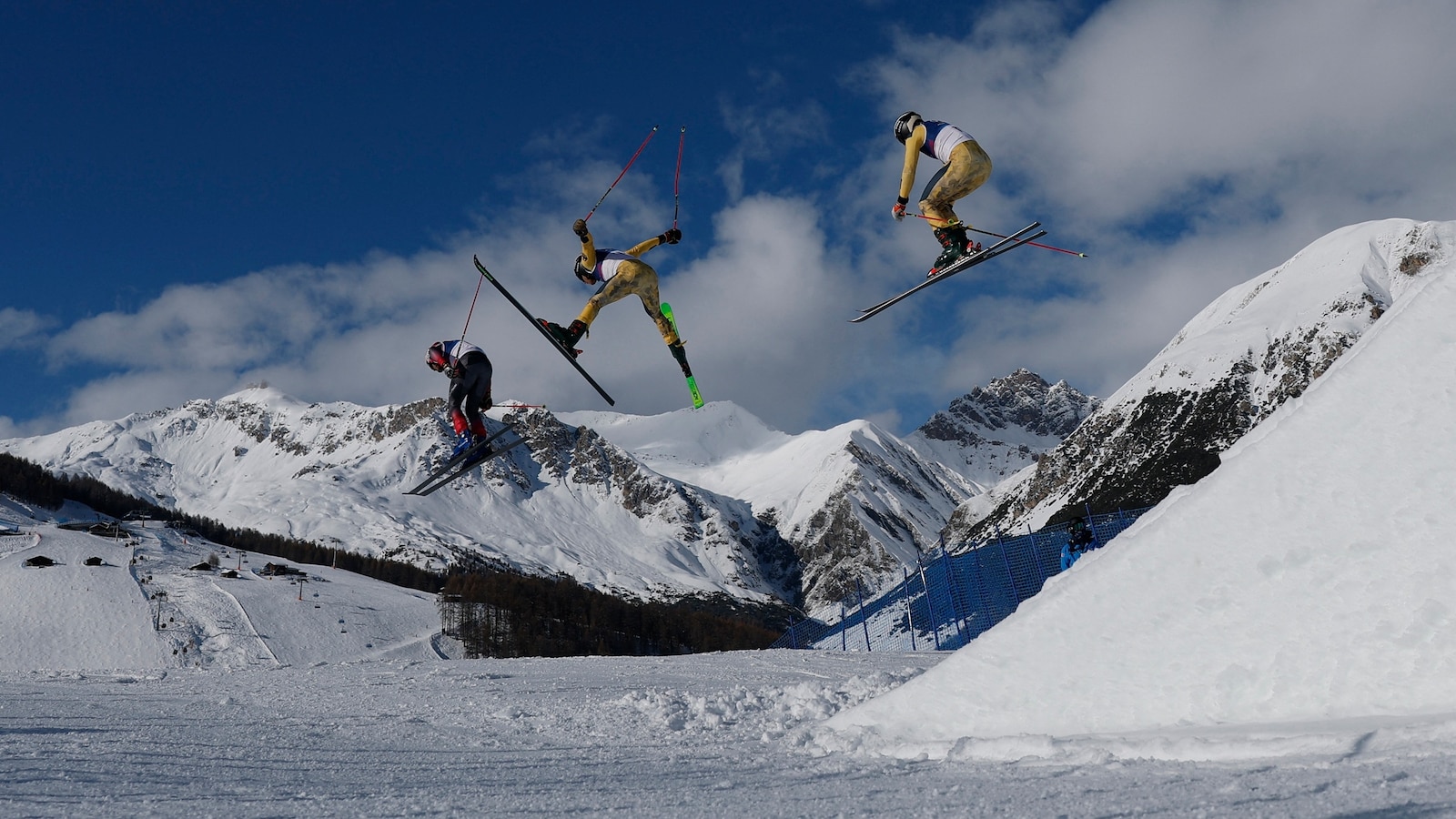
The Winter Olympics have long been a celebration of athletic excellence, showcasing human achievement against the breathtaking backdrop of snow-covered mountains and frozen landscapes. However, climate scientists are sounding an urgent alarm: the future of these beloved games hangs in the balance as our planet continues to warm. The 2026 Winter Olympics in Milano Cortina are unfolding in a dramatically different climate than the region experienced when it first welcomed winter athletes decades ago, highlighting a troubling trend that threatens not just one host city, but the very viability of winter sports competitions worldwide. The challenges facing organizers today—from vanishing natural snowfall to the need for massive amounts of artificial snow—paint a sobering picture of what lies ahead for winter sports and the communities that have built their identities around snowy winters.
The Startling Reality in Cortina: Numbers Don’t Lie
The Italian Alps present a stark illustration of how quickly and dramatically our climate is changing. Cortina, nestled in these majestic mountains, has experienced a temperature increase of 6.4 degrees Fahrenheit since it first hosted the Winter Olympics back in 1956. To put this in perspective, that’s a significant warming over just seven decades—a blink of an eye in geological terms but a lifetime in human experience. This temperature rise has brought cascading consequences that fundamentally alter the winter landscape. According to Marcene Mitchell, senior vice president for climate change at the World Wildlife Fund, the number of freezing days—those essential periods when temperatures drop low enough for snow to form and persist—has plummeted by nearly 20 percent. Fewer freezing days mean less natural snow, creating a crisis for events that literally cannot happen without it. The shortage has become so severe that organizers of the Milano Cortina games had no choice but to ship in an astounding 3 million cubic yards of artificial snow, despite hosting the competition in the high altitudes of the Italian Alps, traditionally one of Europe’s premier winter destinations.
The Hidden Costs and Dangers of Artificial Snow
While artificial snow might seem like a practical solution to the shortage of the natural variety, it comes with significant drawbacks that affect both athletes and the environment. As Mitchell explains, artificial snow has a fundamentally different composition and consistency than snow that falls from the sky. It tends to be icier and harder, creating a riskier surface for athletes to navigate at high speeds. Skiers and snowboarders pushing the limits of human performance already face considerable dangers; competing on artificial snow compounds these risks, potentially leading to more injuries and affecting performance outcomes. Beyond the safety concerns, there’s the environmental paradox: the very process of creating artificial snow contributes to the climate crisis that necessitated it in the first place. Manufacturing and transporting millions of cubic yards of artificial snow requires massive amounts of water and energy, significantly expanding the carbon footprint of winter competitions. Carlos Martinez, senior climate scientist at the Union of Concerned Scientists, points out another complication—when temperatures creep above freezing, even artificial snow can transform into slush, forcing delays as crews scramble to restore the slopes to competition-worthy conditions. This creates logistical nightmares and affects the sports that draw the largest audiences, including skiing and snowboarding competitions.
A Global Problem: No Region Is Immune
The warming trend affecting Cortina isn’t an isolated anomaly—it’s part of a global pattern that threatens winter sports venues worldwide. According to Climate Central’s analysis, every single location that has hosted the Winter Games since 1950 has experienced warming since their Olympic year. That’s a 100% track record of temperature increases, leaving no room for doubt about the pervasive nature of climate change. The implications for the future are even more troubling. A 2024 study examining 93 potential host sites found that by the 2050s—just a quarter-century away—only 52 of these locations would have reliable conditions suitable for hosting the Winter Olympics. That represents a loss of more than 40 percent of potential venues, dramatically shrinking the pool of cities and regions capable of welcoming winter athletes and spectators. As Jon Meyer, assistant Utah state climatologist, succinctly puts it, “Globally, winters are changing drastically.” The impact extends across continents and hemispheres. In the French Alps, scheduled to host the 2030 games, snowfall has declined by approximately one-third over the past century. Meanwhile, Utah, preparing to host the 2034 Winter Olympics, is experiencing conditions that Meyer describes as “totally uncharted territory.” By early February of this season, Salt Lake City had accumulated just one-tenth of an inch of snow compared to the typical 33.4 inches expected by that date. One nearby ski resort had received 143 inches of snow—150 inches below its average, a deficit that would have been almost unthinkable in previous decades.
Ripple Effects Beyond the Games
The declining snowfall that threatens the Winter Olympics represents just the visible tip of a much larger problem with far-reaching consequences for communities and ecosystems. In the American West, reduced snowpack doesn’t just affect ski resorts and Olympic aspirations—it threatens the very water supply that millions of people depend on throughout the year. Mountain snowpack acts as a natural reservoir, slowly releasing water as it melts through spring and summer, feeding rivers and replenishing aquifers that supply cities and agricultural regions far from the mountains. When winter snowfall drops dramatically, as it has this year across much of the Western United States, Meyer warns that the region faces heightened risks of drought conditions and diminished water supplies in the seasons to come. Communities that have thrived for generations around winter sports are facing existential questions about their economic futures. Ski towns and mountain villages have built their identities, cultures, and livelihoods around reliable winter conditions. As those conditions become increasingly unreliable, entire economic systems built on winter tourism face potential collapse, affecting not just resort owners but the shopkeepers, restaurant workers, lift operators, and countless others whose families have depended on winter visitors for their livelihoods.
Facing an Uncertain Future: Can Winter Olympics Survive?
The warming trends documented by climate scientists point toward an uncomfortable truth: the Winter Olympics as we’ve known them may not be sustainable in their current form. Martinez emphasizes that warming will be an “ongoing” issue for the games, not a temporary challenge to be overcome with technological fixes. Mitchell frames the dilemma even more starkly: “You can’t hold the Winter Olympics without winter, and this is exactly what’s happening with climate change around the world.” The question facing the International Olympic Committee, host cities, athletes, and winter sports enthusiasts is what can be done to preserve these competitions and the sports we love. Some possibilities include limiting host cities to the highest altitude locations, though these venues become fewer as temperatures rise even in mountain regions. There’s also the option of scheduling games during the coldest months, though even this strategy has limits as warming affects all seasons. Indoor venues can accommodate some events like ice skating and ice hockey, but the marquee outdoor sports that define the Winter Olympics—downhill skiing, snowboarding, cross-country skiing, and biathlon—require natural mountain terrain and snow coverage that’s increasingly difficult to guarantee. The current reliance on artificial snow is both environmentally costly and potentially dangerous for athletes, making it an unsustainable long-term solution. Ultimately, the challenges facing the Winter Olympics reflect the broader climate crisis confronting our entire planet. The same greenhouse gas emissions warming Olympic host cities are disrupting weather patterns, raising sea levels, and causing extreme weather events worldwide. Perhaps the struggles of the Winter Olympics can serve as a wake-up call, illustrating in a highly visible way what’s at stake as our climate continues to change, and motivating the urgent action needed to preserve not just winter sports, but the stable climate that human civilization has depended upon for millennia.