



Pokémon Event Cancellation at Yasukuni Shrine Sparks International Controversy
A Children’s Card Game Caught in Historical Tensions
What should have been a simple Saturday gathering for Pokémon card enthusiasts in Tokyo turned into an international incident that highlights the persistent historical wounds between Japan and China. The Pokémon Company, closely affiliated with gaming giant Nintendo, found itself at the center of a diplomatic firestorm after announcing a card game event scheduled to take place at Yasukuni Shrine. The backlash from China was swift and severe, forcing the company to cancel the event and issue public apologies in both Japanese and Chinese. This seemingly small incident opened a window into the complex and painful historical grievances that continue to shape relations between Asia’s major powers, demonstrating how even innocent entertainment activities can become flashpoints when they intersect with contested historical narratives.
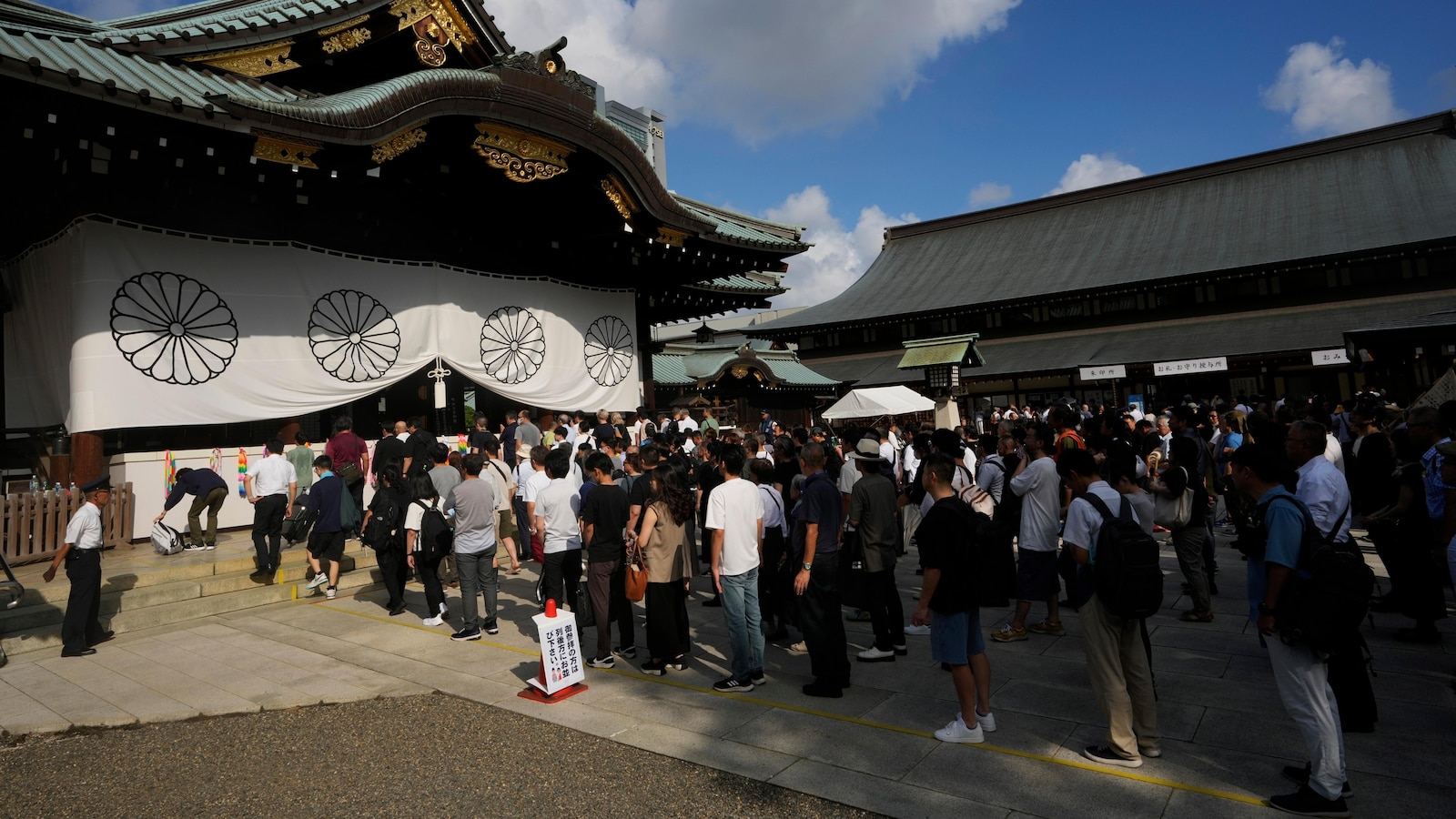
The Yasukuni Shrine sits at the heart of one of East Asia’s most sensitive historical disputes. Located in Tokyo, this Shinto shrine commemorates approximately 2.5 million Japanese war dead, including soldiers who perished in various conflicts throughout Japan’s modern history. However, what makes Yasukuni particularly controversial is that among those honored are individuals convicted as war criminals following World War II, including Class-A war criminals responsible for Japan’s aggressive military campaigns across Asia. For countries that suffered under Japanese occupation and aggression—particularly China, South Korea, and North Korea—the shrine represents an unwillingness to fully acknowledge and atone for wartime atrocities. When Japanese officials visit Yasukuni or when events are held there, neighboring countries interpret these actions as a lack of genuine remorse for Japan’s militaristic past, including horrific acts such as the Nanjing Massacre, forced labor, and the exploitation of “comfort women.” The shrine thus remains a powerful symbol of unresolved historical trauma that continues to poison diplomatic relations decades after the war’s end.
China’s State-Orchestrated Response
The response from China to the Pokémon event announcement was coordinated and forceful, reflecting the Chinese government’s approach to what it perceives as historical slights. Chinese state media quickly seized upon the story, with editorials amplifying supposedly organic anger trending on social media platforms. The People’s Daily, which serves as the official mouthpiece of the Chinese Communist Party, published a stern warning on Weibo, China’s Twitter-like platform: “Brands that disregard history and hurt the feelings of the Chinese people will ultimately be abandoned by the market.” The statement went further, declaring that “relevant enterprises must accordingly take social responsibility and not make light of the heavy weight of history in the name of entertainment.” This language is typical of China’s nationalist rhetoric when addressing historical grievances with Japan. However, it’s important to understand the context of China’s social media environment—it operates under heavy government censorship, and what topics are allowed to trend is largely determined by state authorities. This means that while genuine public sentiment may exist regarding historical issues with Japan, the scale and direction of online outrage is often guided and amplified by government interests, making it difficult to distinguish between authentic grassroots anger and state-orchestrated pressure campaigns.
The Pokémon Company’s Retreat and Apology
Faced with this backlash, the Pokémon Company moved quickly to contain the damage. The company issued carefully worded apologies in both Japanese and Chinese, attempting to defuse the situation while explaining how the controversy arose. According to their statement, the event wasn’t officially organized by the company itself but had been privately planned by a certified Pokémon card player as a gathering for children. However, information about this private event somehow made its way onto the company’s official website, giving it an appearance of corporate endorsement. The Pokémon Company characterized this as an error, stating that the notice was shared on their website “by mistake because of the lack of our understanding.” More tellingly, the company acknowledged that “it was an event that should not have been held to begin with,” essentially conceding to the Chinese position that any activity at Yasukuni Shrine is inherently problematic. The event was promptly canceled and all information removed from their website. In their apology, the company referenced its corporate motto of “connecting the world with Pokémon” and pledged to be more considerate to everyone—a diplomatic way of saying they would avoid controversial locations in the future. This episode demonstrates the difficult position multinational companies find themselves in when operating across markets with conflicting historical narratives and political sensitivities.
Broader Context of Japan-China Tensions
This Pokémon controversy didn’t occur in isolation but rather against a backdrop of escalating tensions between Japan and China. The situation has been particularly fraught since November, when Japanese Prime Minister Sanae Takaichi made remarks suggesting that Japan could potentially become involved if China takes military action against Taiwan. Taiwan represents one of the most sensitive issues in Chinese politics—Beijing considers the self-governing democratic island to be a breakaway province that must eventually be reunified with the mainland, by force if necessary. Any suggestion that Japan might interfere in what China views as a purely internal matter provokes fury from Beijing. China’s response to Takaichi’s comments has included economic and diplomatic retribution, demonstrating how quickly political tensions can translate into real-world consequences for businesses and cultural exchanges. Interestingly, Prime Minister Takaichi herself has a history with Yasukuni Shrine—she was previously a regular visitor, a practice that had drawn criticism from China and other neighbors. However, since taking office in October, she has refrained from praying at the shrine, possibly in recognition of the diplomatic costs such visits entail. The fact that even a children’s card game event at the shrine could trigger international controversy shows how hypersensitive the current atmosphere has become.
The Collision of Entertainment, History, and Politics
The cancellation of a Pokémon card game event might seem like a trivial matter, but it actually reveals profound truths about how historical memory, national identity, and commercial interests intersect in contemporary East Asia. Pokémon, created in Japan in the 1990s, has become a global cultural phenomenon beloved by children and adults worldwide, transcending national boundaries and political divisions. The brand’s motto of “connecting the world” reflects an aspiration to unite people through shared enjoyment of games and entertainment. Yet this incident demonstrates that even the most seemingly apolitical forms of popular culture cannot escape the gravitational pull of historical grievances and nationalist sentiment. The Pokémon Company’s decision to cancel the event and apologize reflects a business calculation—the Chinese market is simply too large and too important to risk alienating, even over what was essentially a children’s gathering. This pattern repeats across various industries, where companies must constantly navigate competing political demands from different markets, often forced to choose between principles and profits, or between different national audiences. For ordinary Pokémon fans, particularly children who simply wanted to trade cards and play games with friends, the cancellation must seem baffling and unfair—a reminder that the adult world’s conflicts and historical burdens continue to cast long shadows over even the most innocent activities.
The Yasukuni Shrine Pokémon event controversy may fade from headlines, but the underlying issues it exposed will persist. The historical wounds between Japan and its neighbors remain unhealed, complicated by contemporary geopolitical rivalries, territorial disputes, and competing visions of regional order. For multinational companies operating in this environment, the incident serves as a cautionary tale about the importance of cultural and historical sensitivity—what seems like a neutral venue in one country may be deeply offensive in another. As tensions between Japan and China continue to simmer over issues ranging from Taiwan to territorial disputes in the East China Sea, businesses, cultural organizations, and ordinary citizens will find themselves navigating an increasingly difficult landscape where almost anything can become politicized. The challenge for companies like Pokémon will be maintaining their global reach and appeal while respecting the historical sensitivities and political realities of diverse markets. Whether such a balance is truly achievable, or whether the world is fragmenting into incompatible spheres with irreconcilable narratives, remains an open question—one that a canceled card game in Tokyo has brought into sharp relief.