


Poland Launches Investigation Into Potential Epstein-Russia Intelligence Links
A National Security Concern Emerges
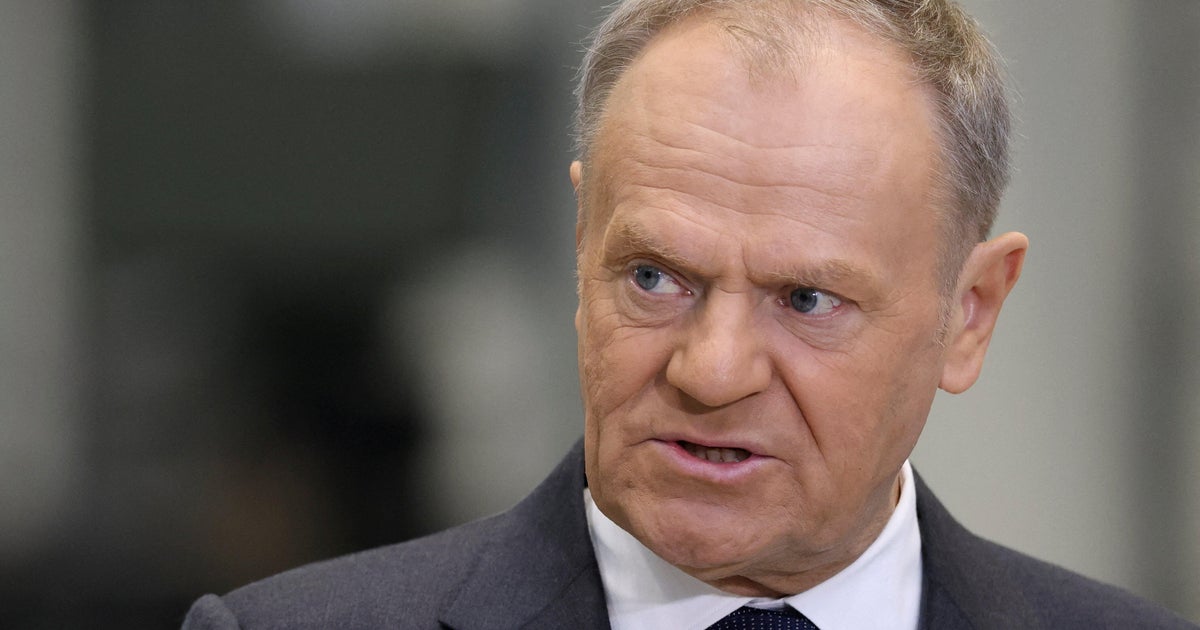
Poland has taken the extraordinary step of launching a formal investigation into possible connections between the late convicted sex offender Jeffrey Epstein and Russian intelligence agencies. Prime Minister Donald Tusk announced on Wednesday that his government would establish a specialized analytical team to examine disturbing allegations that Polish children may have been victimized through criminal networks associated with Epstein. Speaking in a video posted to social media, Tusk made clear that Poland views this matter as far more than a criminal justice issue—it’s a potential threat to national security. The announcement comes in the wake of the U.S. Department of Justice’s recent release of approximately 3 million additional pages of documents related to the Epstein case, which have revealed previously unknown details about his extensive global network of contacts and operations.
The Polish Prime Minister’s statement was unequivocal in its seriousness. “We cannot allow any of the cases involving the abuse of Polish children by a network of pedophiles and the organizer of this satanic circle, Mr. Epstein, to be treated lightly or ignored,” Tusk declared. He revealed that initial information had already surfaced suggesting that individuals in Krakow, Poland’s historic second city, had allegedly informed Epstein that they had access to “a group of Polish women or girls.” This disturbing revelation has prompted the government to move swiftly, with Tusk stating that an analytical team would be created immediately, with the possibility of launching a full criminal investigation if their concerns are substantiated. The gravity with which Polish authorities are treating these allegations reflects a growing understanding that the Epstein scandal’s tentacles may have reached far beyond American shores.
The Russian Intelligence Angle
What elevates this investigation from a criminal matter to one of national security is the potential involvement of Russian intelligence services. Tusk specifically mentioned that questions about “links between Epstein and the entire pedophile circle and the Russian special services” must be clarified in light of Poland’s security interests. This is a particularly sensitive issue for Poland, a NATO member that shares a border with Russia and has historically been wary of Moscow’s intelligence operations and influence campaigns. The suggestion that Russian agencies may have been connected to or exploited Epstein’s activities introduces a geopolitical dimension that has serious implications not just for Poland, but potentially for the entire Western alliance.
The theory, as Tusk alluded to, is that Russian security services may have used Epstein’s criminal network to gather compromising material—often called “kompromat” in Russian intelligence parlance—on influential Western figures. Such material, if it exists, could theoretically still be used today as a tool of coercion or blackmail, potentially influencing decision-makers in ways that serve Russian interests. This concern is far from paranoid speculation in the Polish context; Russia has a documented history of using compromising information as a weapon of statecraft, and Poland, as a frontline NATO state that has been a strong supporter of Ukraine, would be particularly vigilant about any Russian intelligence activities that might undermine its democratic institutions or national sovereignty. While Tusk did not provide specific evidence of such connections, the fact that he publicly raised these concerns indicates that Polish intelligence services have encountered information troubling enough to warrant a formal, classified investigation.
The Investigation’s Structure and Scope
Poland is approaching this matter with the seriousness it deserves by establishing a high-level, multi-agency investigation team. The group will be led jointly by Poland’s justice minister and prosecutor general, and will include representatives from prosecutors’ offices, police forces, and national security services. Government spokespeople have indicated that the team will be relatively compact in size, will operate under classified procedures to protect sensitive information and investigative methods, and will begin its work immediately. This structure suggests that Poland is treating this as both a criminal and intelligence matter, requiring expertise from both law enforcement and security agencies.
The scope of the investigation is potentially quite broad. Speaking before a cabinet meeting on Wednesday, Tusk characterized the Epstein scandal as a “completely unprecedented case” and noted that some of the newly released American documents contained what he called “Polish threads”—connections or references to Poland or Polish citizens. He indicated that “prosecutors and special services will carry out a very detailed and quick analysis, file by file,” suggesting a methodical review of the massive document release from the U.S. Department of Justice. The investigation will not necessarily be limited to the materials already made public; Polish officials have indicated they may seek additional, unpublished evidence from U.S. authorities specifically related to Polish individuals identified during their analysis. Furthermore, Poland may advocate for an international investigation in coordination with other countries, recognizing that Epstein’s network was global in nature and that effective investigation may require multinational cooperation.
Russia’s Dismissive Response
Not surprisingly, Russia has been quick to dismiss any suggestions of links between its intelligence services and the Epstein scandal. In December, well before Poland’s announcement, Maria Zakharova, the spokesperson for Russia’s Foreign Ministry, addressed the release of Epstein-related documents by accusing Western elites of hypocrisy. Her statement suggested that those who had long criticized Moscow were themselves implicated in the scandal, a classic deflection technique that attempts to turn accusations back on the accuser without actually addressing the substance of the allegations. This response is entirely consistent with Russia’s typical playbook when confronted with accusations of intelligence operations or illicit activities—deny, deflect, and accuse the other side of worse behavior.
The Russian dismissal, however, is unlikely to deter Polish investigators. Poland has little reason to take Russian denials at face value, given the long history of tensions between the two nations and Russia’s documented use of dezinformatsiya (disinformation) and active measures against Western democracies. From Poland’s perspective, the potential that Russian intelligence services exploited Epstein’s network—whether directly participating in it or simply harvesting compromising material from it—represents exactly the kind of threat that requires thorough investigation regardless of Moscow’s protestations. The fact that Russia has responded at all, even dismissively, suggests that Moscow is at least somewhat concerned about the narrative developing around potential intelligence connections to the Epstein case.
Broader Implications for Democratic Security
Poland’s investigation raises important questions that extend well beyond its borders. If Epstein’s criminal network was indeed exploited by foreign intelligence services to gather compromising material on influential Western figures, the implications for democratic governance and national security are profound. The basic concern is straightforward: individuals who hold positions of power and influence, whether in government, business, media, or other sectors, could potentially be subject to blackmail or coercion if compromising material about them exists in the hands of a hostile foreign power. This could influence their decision-making in ways that serve the interests of that foreign power rather than their own countries, potentially affecting everything from policy decisions to business dealings to media coverage.
Prime Minister Tusk specifically warned that such material “could still be used today, creating risks for democratic institutions and national security.” This is not mere speculation; the use of kompromat is a well-established element of Russian intelligence tradecraft, with numerous documented cases of Russian agencies using compromising information to manipulate or coerce individuals. The Epstein case is particularly troubling in this context because his network appears to have been so extensive, involving numerous high-profile individuals across multiple countries over many years. If even a fraction of the allegations and evidence related to his activities were weaponized by an intelligence service, the potential for ongoing damage to democratic institutions is considerable. Poland’s decision to investigate these potential connections may well encourage other nations to examine similar questions, potentially leading to a broader international reckoning with the intelligence implications of the Epstein scandal. As more countries review the newly released documents and consider what they reveal about Epstein’s global network, the full scope of this unprecedented case—and its implications for national security across the democratic world—may only now be beginning to emerge.