


Deadly Overnight Attack on Kyiv Marks Escalation in Russia-Ukraine Conflict
Four Dead and Critical Infrastructure Damaged in Major Strike
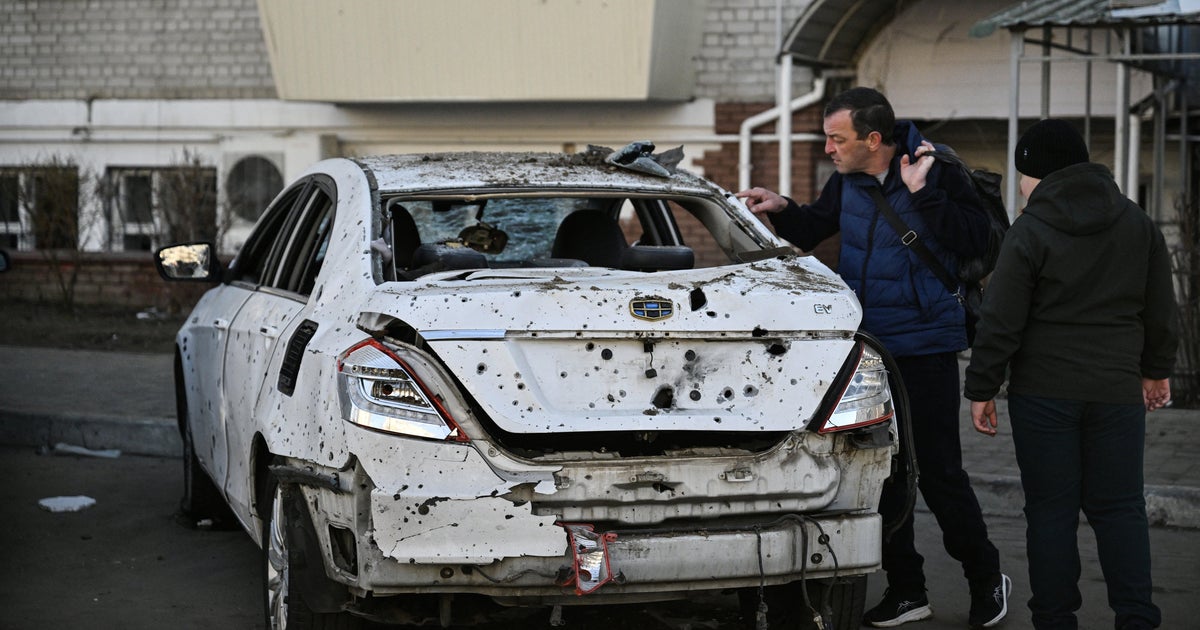
The early hours of Saturday morning brought devastating news for Ukraine as a coordinated Russian assault using both missiles and drones struck the Kyiv region, claiming at least four lives and injuring fifteen others. The attack’s severity became apparent as regional administration head Mykola Kalashnyk revealed that three of the wounded remained in critical condition, with two requiring emergency surgery. The strikes didn’t discriminate in their targets, affecting four separate districts and causing widespread destruction to residential buildings where families slept, educational institutions meant to nurture young minds, business enterprises, and vital critical infrastructure that communities depend on daily. This wasn’t just another military operation—it was an attack that touched the lives of ordinary civilians trying to survive in a war zone, damaging the very fabric of daily life in the capital region.
Ukrainian President Volodymyr Zelenskyy provided additional context to the horrifying scale of the assault, explaining that Russia’s primary objective was to cripple the energy infrastructure throughout the Kyiv region. The numbers he shared painted a picture of an overwhelming assault: approximately 430 drones of various types filled the night sky, accompanied by 68 missiles raining down on Ukrainian territory. This massive coordinated attack represented one of the most significant aerial assaults in recent months, demonstrating Russia’s continued capability and willingness to launch large-scale strikes despite more than four years of ongoing conflict. Russia’s Defense Ministry, offering their perspective on Saturday, claimed these nighttime strikes specifically targeted energy and industrial facilities that support Ukraine’s armed forces, as well as military airfields—an assertion that doesn’t fully explain the civilian casualties and widespread damage to non-military infrastructure.
Geopolitical Complications: Middle East Conflict Impacts Ukraine Support
The timing of these devastating strikes carries additional significance beyond the immediate destruction and loss of life. Just days before this attack, the United States made the controversial decision to postpone peace talks between Russia and Ukraine that had been scheduled for this week, citing escalating tensions and active warfare in the Middle East as the reason for delay. The intersection of these two major conflicts has created a complex geopolitical situation that Russia appears positioned to exploit. As American and Israeli military forces engage Iran with missiles and bombs, Russia has responded with public statements of indignation, but their actions tell a more nuanced story of calculated opportunism rather than direct confrontation.
Multiple credible sources confirmed to CBS News that Moscow has been providing intelligence information to Iran regarding U.S. military positions throughout the Middle East during this escalating conflict. This intelligence sharing represents the first confirmed indication that Russia is indirectly supporting Iran against Western interests, marking a significant development in the complex web of international alliances and conflicts. However, Russia’s support remains carefully calibrated—the Kremlin has taken no direct military action to defend its ally. This measured response reflects a pattern that became evident with Russia’s inability or unwillingness to prevent the 2024 ouster of former Syrian ruler Bashar Assad, a longtime Russian ally, and their silence following January’s arrest of Venezuelan leader Nicolas Maduro by American authorities. These failures to protect allied leaders have exposed clear limits to Russian influence and power projection, yet Moscow’s leadership calculates that the Iranian conflict could deliver benefits that compensate for these diplomatic setbacks.
Russia’s Strategic Calculations and Economic Opportunities
The cynical reality of international conflict becomes clear when examining Russia’s strategic position amid the Middle East crisis. The Kremlin is already experiencing significant financial gains from the dramatic surge in global energy prices triggered by Middle Eastern instability—a war-fueled economic windfall that helps fund their continued aggression against Ukraine. Beyond these immediate economic benefits, Russian strategists likely hope the Middle East war will serve multiple purposes that advance their interests in Ukraine. First, the conflict draws international attention and media coverage away from Ukraine, potentially reducing the sense of urgency among Western populations regarding continued support. Second, Western nations responding to Middle Eastern threats must expend considerable ammunition and military resources, depleting arsenals that might otherwise be available for Ukraine. Third, NATO allies face difficult decisions about dividing their military support and production capacity between multiple crisis zones, potentially forcing reductions in assistance to Kyiv.
President Zelenskyy directly addressed these concerns on Saturday, making an urgent appeal to Ukraine’s Western partners to maintain “one hundred percent attention” on the critical need to dramatically increase production of air defense missiles. His warning carried profound implications for European security: “Russia will try to exploit the war in the Middle East to cause even greater destruction here in Europe, in Ukraine.” Zelenskyy emphasized that political leaders must recognize the genuine threat level and prepare accordingly, calling specifically for Europe to develop substantial manufacturing capacity for air defense missiles, particularly those systems capable of countering ballistic missile threats, along with all other defensive systems necessary to genuinely protect civilian lives rather than merely offering symbolic support.
Ukraine Seeks Military Production Partnerships Amid Shifting American Policy
The urgency of Ukraine’s situation extends beyond immediate defensive needs to longer-term military production capabilities. On Thursday, Zelenskyy revealed that Kyiv continues awaiting White House approval for a substantial drone production agreement that Ukraine proposed over a year ago. This delay comes as countries worldwide scramble to modernize their air defense systems after the Iran conflict brutally exposed significant shortcomings in existing defensive capabilities. The proposed agreement represents more than just another arms deal—it would provide Ukraine with domestic production capacity, reducing dependence on external supply chains and creating sustainable defensive capabilities for the long-term conflict that this war has become.
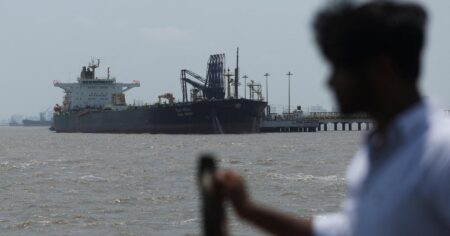
Zelenskyy also expressed strong criticism on Thursday regarding the U.S. decision to issue a 30-day waiver on Russian oil sanctions, a policy adjustment made amid the Middle East war’s disruption of global energy markets. The Ukrainian president characterized this decision as fundamentally wrong, arguing it does nothing to advance peace or bring an end to Russia’s invasion, which has now devastated his country for more than four years. The numbers behind his concern are staggering: CBS News learned that approximately 124 million barrels of Russian oil are currently in transit across global waters. Zelenskyy calculated that this single American sanctions waiver could provide Russia with roughly $10 billion in revenue—money that will directly fund continued military operations against Ukraine. “This certainly does not help peace,” he stated with justified frustration, watching as Western policy decisions inadvertently finance the very aggression those same nations claim to oppose.
Continued Hostilities and Ukraine’s Counterstrike Capabilities
The violence flows in both directions across this brutal conflict. Overnight into Saturday, Ukrainian forces demonstrated their own strike capabilities by successfully hitting an oil refinery and port facilities in Russia’s southern Krasnodar region, according to local Russian officials. Krasnodar authorities reported that three people suffered injuries in a strike on Port Kavkaz, a strategically significant facility located opposite Crimea that Russia uses to ship liquefied natural gas and grain products. The attack damaged a service vessel and pier infrastructure, with one victim requiring hospitalization. In a separate incident, falling drone debris sparked a fire at the region’s Afipsky oil refinery, though authorities reported no casualties while declining to immediately comment on the extent of damage to the facility.
Russia’s Defense Ministry claimed their forces successfully shot down 87 Ukrainian drones during the night, including 16 over the Krasnodar region and 31 over the nearby Sea of Azov—numbers that, if accurate, suggest Ukraine launched over a hundred drones in their counterstrike. Later on Saturday afternoon, Moscow mayor Sergei Sobyanin announced that 16 drones had been intercepted approaching the Russian capital, bringing the air war to the doorstep of Russia’s political center. Earlier in the week, both Russian and Ukrainian officials claimed progress along the extensive front line, with Ukraine asserting they pushed Moscow’s forces back in multiple locations while the Kremlin insisted their invasion continues making territorial gains—conflicting claims that reflect the fog of war and the propaganda needs of both governments.
Looking toward potential diplomatic resolution, Russia signaled approximately two weeks ago that they feel no urgency to negotiate an end to this destructive conflict. Russian Foreign Minister Sergey Lavrov told state media in Moscow with notable bluntness: “Have you heard anything from us about deadlines? We have no deadlines, we have tasks. We are getting them done.” This statement encapsulates the grim reality facing Ukraine and its supporters—Russia appears committed to pursuing military objectives regardless of diplomatic opportunities, civilian casualties, or international pressure. As the conflict enters its fifth year with no resolution in sight, the overnight attacks on Kyiv demonstrate that Russia retains both the capability and willingness to launch devastating strikes, while Ukraine continues developing its own offensive capabilities to strike back at Russian territory. The intersection of this prolonged war with Middle Eastern conflict creates a dangerous moment where Ukraine risks losing international focus and material support precisely when its need remains most critical.