


Pope Leo XIV Moves Into Historic Papal Apartment After Decade-Long Vacancy
A New Chapter at the Apostolic Palace
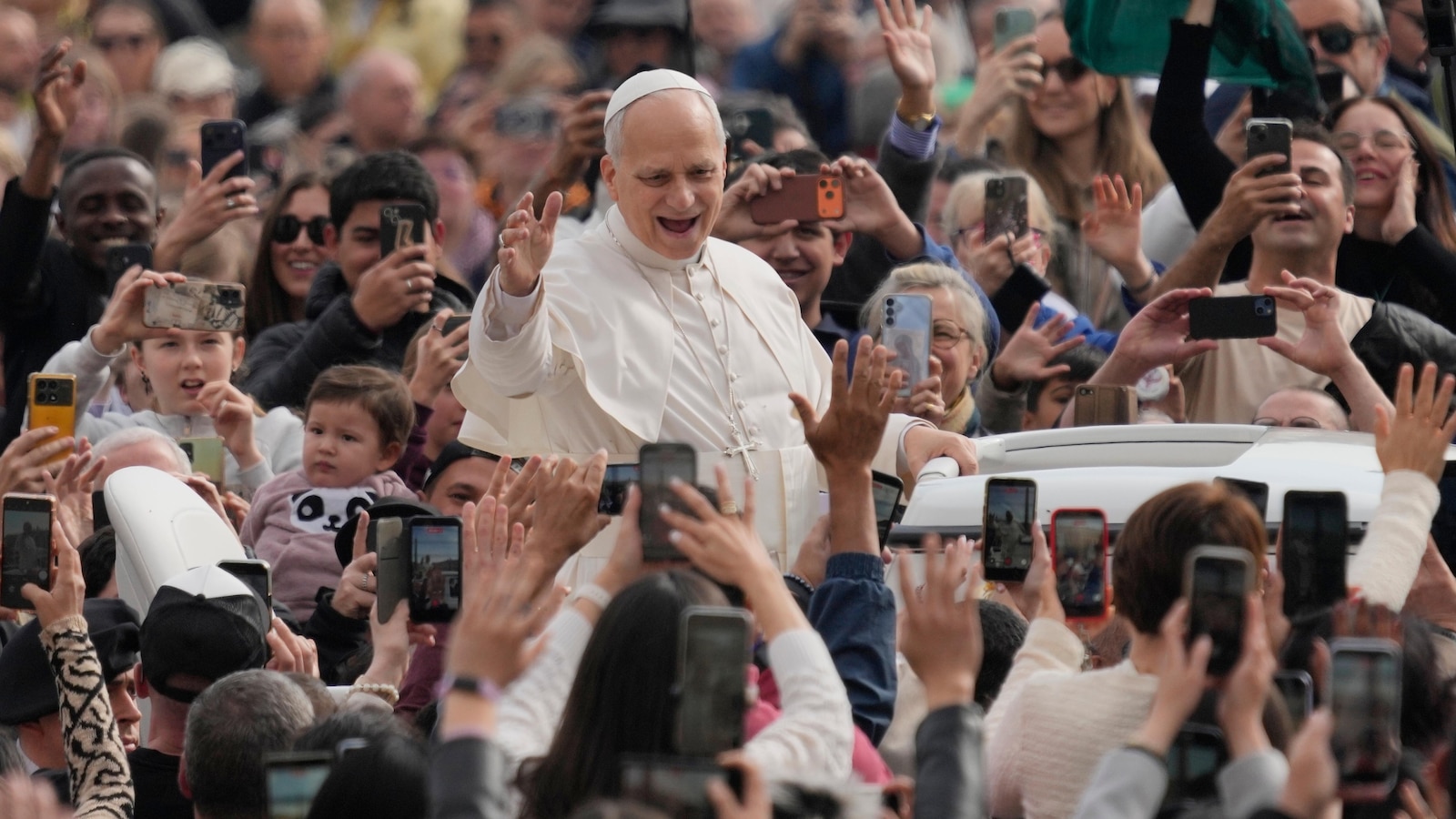
In a significant shift from his predecessor’s approach, Pope Leo XIV has officially moved into the traditional papal apartment at the Apostolic Palace in Vatican City. This move marks the end of a twelve-year period during which these historic quarters sat largely unused, as Pope Francis famously chose to live elsewhere. The apartment, situated on the third floor of the Apostolic Palace with sweeping views of St. Peter’s Square, will now house not only the Pope but also his closest aides and advisors. This decision represents more than just a change of address—it signals a return to traditional papal customs and has sparked conversations about leadership style, institutional tradition, and the evolving nature of the papacy in the modern era.
The move, which took place on a Saturday, came after nearly ten months of extensive renovations that began following Leo’s election last May. The Vatican undertook comprehensive updates to bring the centuries-old apartment into the twenty-first century, addressing critical infrastructure needs that had accumulated during its long period of disuse. The renovation work included modernizing the electrical systems, upgrading plumbing throughout the residence, and bringing various other utilities up to current standards. The scope of the project was evident to onlookers in recent months, as construction cranes became a familiar sight working on the exterior of the building as the anticipated move-in date approached. These updates were essential not just for comfort but for safety and functionality, ensuring that the historic space could serve as a proper home and working environment for the pontiff and his team.
Francis’s Humble Choice and Its Legacy
To understand the significance of Pope Leo XIV’s decision, it’s essential to look back at why these apartments remained vacant for over a decade. Pope Francis, who served for twelve years before his death on April 21, made headlines immediately after his election when he announced he would not be living in the traditional papal residence. His reasoning was characteristically humble and people-focused: he simply didn’t want to be isolated from others. Francis expressed a preference for being surrounded by people rather than dwelling in the more secluded grandeur of the Apostolic Palace. This choice perfectly encapsulated his approach to the papacy—one marked by simplicity, accessibility, and a deliberate rejection of the more formal trappings of papal office.
Instead of the Apostolic Palace, Francis chose to make his home at the Vatican’s Santa Marta residence, a modest, institutional-style hotel typically used by visiting priests and as the sequestered lodging for cardinals during papal conclaves. While this decision was celebrated by many as a gesture of humility and a break from centuries of tradition, it had practical consequences. The entire second floor of Santa Marta was converted for the Pope’s use, significantly reducing the facility’s capacity to accommodate paying guests and visiting clergy. Francis’s simple tastes and what many described as his disdain for papal pomp were reflected not only in where he lived but in many aspects of his papacy, from his dress to his protocol to his interactions with the faithful. His choice of residence became symbolic of a papacy that sought to minimize distance between the shepherd and his flock.
Pope Leo XIV’s Traditional Approach
Pope Leo XIV’s decision to move into the Apostolic Palace represents a notable departure from his predecessor’s style, though Vatican observers are careful to note that different leadership styles don’t necessarily indicate disagreement with previous policies. Since his election, Leo has demonstrated a greater comfort with the traditional elements of papal office, from ceremonial vestments to formal protocols. His choice to occupy the historic papal apartment has been particularly welcomed by conservative commentators and traditionalists within the Church, who view it as a sign of proper respect for the institution of the papacy and its centuries of tradition. For these observers, the move signals a restoration of dignity and formality to an office they believe should be set apart by its very nature.
Leo’s relationship with the apartment actually began in the days immediately following his election last May. According to papal protocol, he took formal possession of the residence by walking through its reception rooms and the small private chapel reserved for the Pope’s personal use. Interestingly, even though Pope Francis had never actually used these rooms, they had been sealed with red ribbon and wax following his death, as tradition requires. This sealing occurred even though Francis died in his hotel room at Santa Marta rather than in the official papal residence—a testament to how deeply certain protocols are embedded in Vatican procedure, regardless of practical circumstances. The ceremonial unsealing and Leo’s initial tour of the premises marked the beginning of a transition that would take ten months to complete due to the extensive renovation work required.
The Significance of Papal Living Arrangements
While it might seem trivial to outsiders, where a pope chooses to live carries symbolic weight that extends far beyond mere real estate preferences. The papal apartment in the Apostolic Palace isn’t just accommodation—it’s a historic space that has housed spiritual leaders for generations, and the decision to occupy or vacate it makes a statement about how a pope views his role. Living in the Apostolic Palace connects a pontiff to the long lineage of his predecessors, emphasizing continuity and institutional tradition. The apartment’s location overlooking St. Peter’s Square also has practical advantages, placing the Pope literally and figuratively at the heart of Vatican City and in view of the pilgrims and faithful who gather in the square below.
The contrast between Francis’s choice and Leo’s decision highlights an ongoing conversation within the Catholic Church about the balance between accessibility and dignity, humility and authority. Francis’s supporters argue that his choice to live among others, in simpler surroundings, made him more approachable and better reflected the teachings of Jesus about serving rather than being served. Leo’s supporters counter that the office of the papacy itself deserves respect through traditional practices, and that occupying the historic seat of papal authority doesn’t contradict spiritual humility. Both perspectives have merit, and the fact that two consecutive popes could make such different choices while both faithfully serving the Church demonstrates the institution’s capacity to accommodate diverse leadership styles while maintaining its essential mission and identity.
Looking Forward: What This Move Means for the Church
As Pope Leo XIV settles into his new residence with his closest aides, the Catholic Church continues its journey through the challenges and opportunities of the twenty-first century. The decision about where to live, while significant symbolically, is ultimately less important than the decisions a pope makes about doctrine, pastoral care, Church governance, and engagement with the modern world. Leo’s more traditional approach in matters of ceremony and residence doesn’t necessarily predict his stances on substantive issues, though it does suggest a leadership style that values institutional continuity and the visible symbols of papal authority.
The renovation of the apartment itself represents an investment in the future, ensuring that this historic space remains functional and available for Leo and potentially his successors. After twelve years of disuse, the extensive updates to electrical, plumbing, and other systems were not just advisable but necessary, reflecting responsible stewardship of Vatican properties. As the Pope and his team work from these newly renovated quarters overlooking one of the world’s most famous squares, they carry forward both the weight of tradition and the responsibility of addressing contemporary concerns. Whether future popes will follow Leo’s example and occupy the apartment, or whether another will choose a different path as Francis did, remains to be seen. What’s certain is that the question of where a pope lives will continue to be watched closely, not for its own sake, but for what it reveals about how each leader understands and embodies the role of shepherd to the world’s Catholics.