

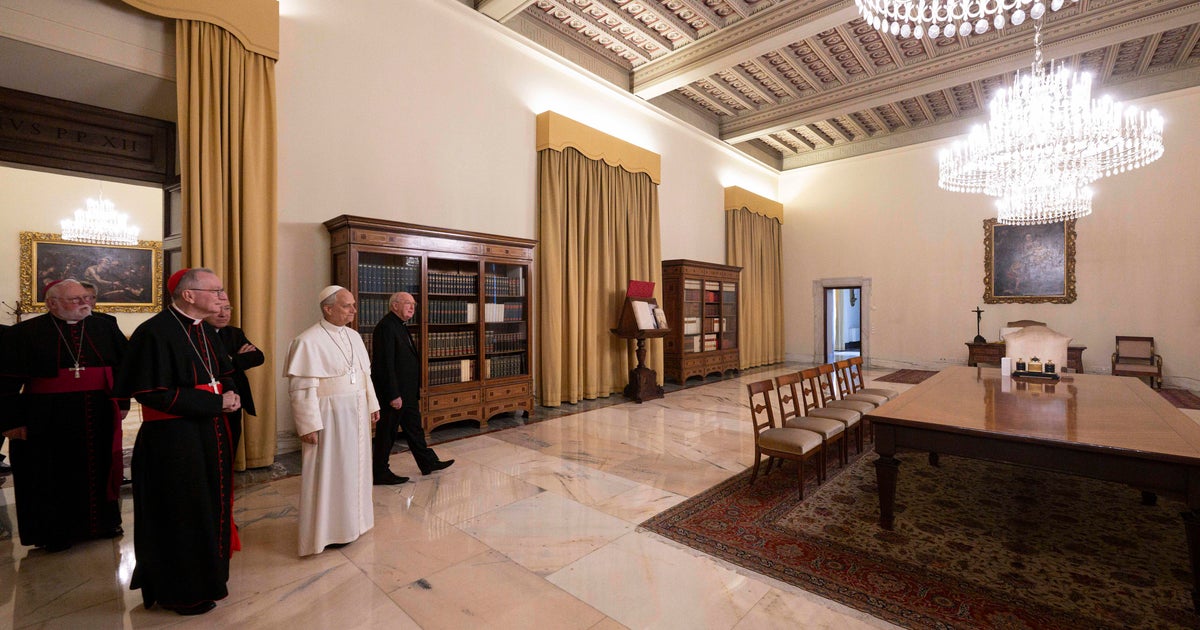

Pope Leo XIV Moves Into Historic Vatican Apartments After Ten-Month Renovation
A New Chapter in Papal Residence
After nearly a year of waiting and extensive renovations, Pope Leo XIV has finally settled into the historic papal apartments within the Vatican’s Apostolic Palace. The move, which took place on a Saturday afternoon, marks a significant shift in papal tradition and represents the first American pope’s decision to embrace the centuries-old residence that his immediate predecessor had famously declined to occupy. The Vatican announced the transition in an official statement, noting that the pontiff would be moving into these historically significant spaces alongside his closest collaborators and advisors. This decision comes ten months after Leo XIV’s historic election on May 8, 2025, when he became the leader of the world’s 1.4 billion Catholics and the first person from the United States to hold this position. The delay in moving wasn’t due to hesitation on the new pope’s part, but rather a practical necessity – the apartments required substantial renovation work after years of disuse under the previous papal administration.
The Legacy of Pope Francis and the Need for Renovation
The story of these apartments is intertwined with the choices of Pope Francis, Leo XIV’s predecessor, who made headlines in 2013 when he shocked traditionalists by refusing to live in the grand papal residence. Instead, Francis chose a more modest dwelling in the Santa Marta guesthouse within Vatican grounds, where he remained throughout his entire papacy until his death. This decision by Francis to forgo the traditional papal apartments meant that the spaces sat largely unused for years, requiring the extensive renovation work that delayed Leo XIV’s move-in. The choice to renovate and reoccupy these historic rooms represents more than just a change of address – it signals a different approach to the papacy and its symbols. While Francis’s supporters praised his humility and his choice to live simply, critics argued that his decision stripped away important sacred elements of the papal office. Now, with Leo XIV’s decision to return to the traditional residence, the pendulum swings back, though whether this represents a rejection of Francis’s legacy or simply a different personal preference remains to be seen.
Inside the Papal Apartments: A Glimpse at Vatican Grandeur
The apartments that Pope Leo XIV now calls home are far more than just living quarters – they represent a piece of living history at the heart of the Catholic Church. This expansive residence includes multiple specialized rooms designed to accommodate both the personal and official duties of the pontiff. Among the spaces are several bedrooms to provide comfort and privacy, a personal chapel for private prayer and reflection, a vestibule for receiving visitors, an extensive library filled with religious texts and scholarly works, a formal office for conducting the business of the Church, and a dining room for both personal meals and hosting important guests. Perhaps most significantly, the apartment includes a special room with a window that overlooks the vast expanse of St. Peter’s Square, where the pope delivers the traditional Angelus prayer every Sunday to thousands of faithful gathered below. This window has become iconic in Catholic imagery, representing the connection between the shepherd and his flock. The apartments are situated in the very heart of the Apostolic Palace, a building complex that serves as the administrative and spiritual center of the Holy See, also housing other crucial Vatican institutions including the famous Sistine Chapel with its Michelangelo frescoes, the Apostolic Library with its priceless manuscripts and books, and the offices of the Secretary of State, which serves as the central nervous system of Vatican administration.
The 70-Year-Old Pope’s Temporary Accommodations
During the ten months of renovation work, the 70-year-old Pope Leo XIV didn’t simply wait in discomfort or uncertainty. Instead, he continued residing at the Palace of the Holy Office, located near the Vatican but outside its walls proper. This building held special significance for Leo, as it had been his home during his time as a cardinal before his elevation to the papacy. The continuity of staying in familiar surroundings likely provided comfort during the transitional period of his early papacy, as he adjusted to the enormous responsibilities of leading the global Catholic Church while simultaneously overseeing the preparations for his eventual move. This practical approach to the housing situation demonstrates a certain pragmatism in Leo’s character – while he clearly intended to embrace the traditional papal residence, he didn’t see the need to rush the process or compromise on the quality of the renovations needed to make the historic apartments suitable for modern papal life. The delay also gave him time to settle into his new role without the added distraction of a major relocation, allowing him to focus on the spiritual and administrative challenges of his position during those crucial first months.
Embracing Tradition: Castel Gandolfo and Papal Recreation
Pope Leo XIV’s embrace of traditional papal residences extends beyond the Vatican apartments themselves. He has also chosen to revive the use of the papal summer residence at Castel Gandolfo, a picturesque retreat located in the hills outside Rome that offers respite from the heat and bustle of the city. Like the Vatican apartments, this residence had been abandoned by Pope Francis, who eschewed the privilege in favor of his simpler lifestyle. Leo XIV, however, has made the summer palace part of his regular routine, spending most Tuesdays there in what appears to be a balanced approach to papal life. During these visits, he doesn’t simply retreat from his duties – instead, he combines work with recreation in a way that acknowledges the human needs of even the most spiritual office. The pope has been observed playing tennis and swimming at the residence, athletic activities that help maintain his physical health and provide mental refreshment. At 70 years old, maintaining physical fitness is not merely a luxury but a necessity for someone bearing the demanding responsibilities of the papacy. This approach suggests that Leo XIV sees no contradiction between taking care of his personal wellbeing and fulfilling his spiritual duties – indeed, perhaps he recognizes that one supports the other.
Symbolism and the Future of the Papacy
The decision by Pope Leo XIV to move into the traditional papal apartments, while seemingly a simple practical choice about housing, carries profound symbolic weight for the Catholic Church and its future direction. The contrast between his choice and that of his predecessor Pope Francis highlights an ongoing tension within the Church between tradition and reform, between the symbolic importance of papal grandeur and the Gospel’s call to humility and service to the poor. Francis’s supporters saw his rejection of the palatial apartments as embodying Christ’s message of simplicity and his identification with the marginalized, while his critics argued that the pope’s living arrangements should reflect the sacred dignity of his office, which transcends personal preference. Leo XIV’s return to the traditional residence might be interpreted by some as a rejection of Francis’s reformist legacy, a return to a more conservative understanding of papal authority and its symbols. However, it’s equally possible that this American pope simply has a different personal style and different needs that the larger apartments can better accommodate, particularly given his practice of working closely with collaborators who have now moved in alongside him. The truth likely lies somewhere between these interpretations – Leo XIV appears to be charting his own course, one that honors tradition without necessarily rejecting all of his predecessor’s innovations. As the first American pope, he brings his own cultural perspectives and experiences to the role, and his choices about where and how to live may reflect distinctly American attitudes about the relationship between symbols and substance, between the requirements of office and personal authenticity. Only time will tell whether his approach represents a lasting shift in how future popes understand their role and its relationship to the historical trappings of the papacy.